
Baby bats can often be seen on the ground, leaving many people wondering why they fall. The main reasons baby bats fall are that they lose their grip while trying to take off or may be abandoned by their mothers. These tiny creatures rely heavily on their moms for care and support during the early stages of their lives.

Sometimes, a baby bat might simply be exhausted after trying to fly or find a secure place to rest. When you spot a fallen baby bat, it might be struggling to get back to safety. Understanding these reasons can help you respond appropriately if you ever encounter one of these delicate animals in your yard or nearby.
Understanding Baby Bat Development

Baby bats, also known as bat pups, go through important growth stages during their early life. These stages involve developing skills that help them survive in their environment. Another key aspect is how young bats use echolocation to navigate, which becomes essential as they grow.
Growth Stages of Bat Pups
Bat pups are born very small and helpless. They rely completely on their mothers for food and protection. The first few weeks are critical. During this time, they gain weight and gradually grow stronger.
As they approach several weeks old, they start developing their muscles. This is when they learn to flap their wings, preparing for flight. Over time, they will achieve adult-size wings and bodies. By the time they are ready to leave the roost, they will be fully weaned and capable of flying.
Taking care of bat pups is crucial, as their early development affects their survival. Mothers usually care for one pup per season, returning to their young ones if they stray too far. This bond is essential for the pup’s growth and development.
The Role of Echolocation in Navigation
Echolocation is a fascinating skill that young bats learn as they grow. This ability allows them to locate food and navigate in dark environments. As bat pups mature, they begin to practice echolocation along with wing flapping.
Through sound waves, bats can identify the size and distance of objects around them. This skill helps them avoid obstacles while flying. It’s essential for catching insects and ensuring their safety.
Echolocation training usually starts when they are a few weeks old. As they grow, their echolocation skills improve, becoming more precise. This skill is vital when they eventually leave their roost and explore the outside world.
Reasons Behind Fallen Baby Bats
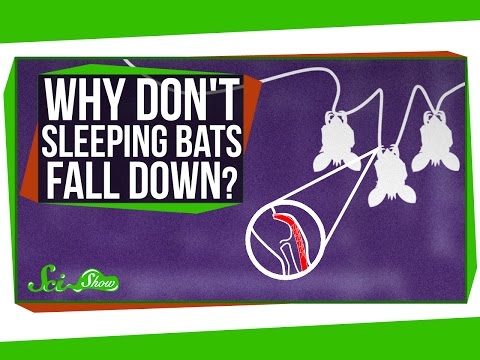
Several factors can lead to baby bats falling to the ground. Understanding these reasons is important, especially if you encounter a fallen bat. The main causes include challenges during their first flights, disturbances in their maternity roosts, and various health or developmental issues.
Challenges of First Flights
When baby bats are learning to fly, they encounter challenges. These tiny creatures often take their first flights at night and might not have developed the strength needed for a successful takeoff. This can lead them to drop from their roosts.
They typically hang upside down in their maternity roost. When they become too adventurous or if a gust of wind surprises them, they may lose their grip. If they fall, they cannot fly back up, as their wings are not strong enough yet.
Ensuring a safe space can help reduce the number of falls as they practice their flying skills.
Disturbances in the Maternity Roost
Bats often stay in maternity roosts, where mothers give birth and care for their young. Sometimes, disturbances occur in these roosts, which can cause chaos for the baby bats. A loud noise or the presence of a predator can make these young bats feel threatened.
In such instances, mothers might move suddenly, leaving behind their young. The stress of these disturbances can also lead a baby bat to fall, especially if it gets startled.
It’s important to avoid disturbing these roosts. If you see a bat in this setting, it’s best to leave it alone.
Health and Developmental Issues
Health problems can also affect baby bats. Illnesses or parasites may weaken them, making it difficult to cling to their roosts. Certain developmental issues can hinder their growth, affecting their ability to fly and hang upside down.
In some cases, a baby bat will fall to the ground if it is unable to keep up with its peers. If you find a baby bat that seems weak or disoriented, it might need help. Contacting a wildlife rehabilitator ensures proper care and gives the bat a better chance of survival.
Caring for Grounded Bat Pups

When you find a baby bat on the ground, knowing how to help is important. Acting quickly and correctly can make a big difference for these vulnerable animals. Here are key points on when to step in, how to contact the right people, and best practices for care.
When to Intervene with Fallen Baby Bats
You should step in if you see a grounded baby bat that appears injured or weak. Look for signs of illness or injury, like a broken wing or dehydration. If the pup is alone during the daytime, it may need your help.
If the baby bat seems healthy but is on the ground, it might simply be lost or abandoned. In this case, wait a little while to see if the mother bat returns, as she usually only has one pup per season and may come back to care for it.
Contacting a Wildlife Rehabilitator
If you determine that the baby bat needs help, contacting a wildlife rehabilitator is the best step forward. A bat expert will have the skills and experience to provide the proper care for the pup. Look for local bat rescue organizations or wildlife centers specializing in bats.
When you call, explain the situation clearly. Provide details about the bat’s condition, where you found it, and any visible injuries. Be sure to follow their instructions carefully to ensure the bat gets the right assistance.
Rehabilitation and Release Practices
Once the baby bat is in care, rehabilitation focuses on nursing it back to health. A wildlife rehabilitator will determine the right feeding schedule and type of food based on the bat’s age and health. You may be advised on how to support and care for the pup if you are more involved in the process.
After rehabilitation, the goal is to safely release the bat back to the wild. The rehabilitator will assess the pup to ensure it can survive on its own. This often involves gradual introduction to the habitat where the bat was found, allowing it to learn essential survival skills before taking flight.
Bat Behavior and Habitat Conservation

Bats play important roles in ecosystems, and their behaviors are closely tied to their habitats. Understanding how to preserve these natural environments alongside seasonal habits is crucial for their survival.
Preserving Natural Bat Habitats
Bats need safe places to roost and raise their young. Your actions can help protect these habitats. Consider these points:
- Leave Natural Areas Intact: Avoid cutting down trees or disturbing caves where bats live.
- Install Bat Houses: These can give bats a safe place to roost and help reduce their reliance on dwindling natural spaces.
- Reduce Pesticide Use: Many bats are insectivorous, meaning they eat insects. Healthy insect populations support bat diets and reduce the need for chemicals.
By keeping natural spaces undisturbed and providing alternatives, you can help support bat populations.
Understanding Seasonal Bat Activities
Different seasons bring various behaviors for bats. Here’s what to know about their activities:
- Mating Season: Bats typically mate in late summer and early autumn. During this time, you might see more bats around as they search for mates.
- Hibernation: In winter, many bats hibernate to survive when food is scarce. They may choose caves or tree hollows for shelter.
- Young Bats Learning to Fly: In spring and summer, baby bats sometimes fall to the ground as they learn to fly. This is a part of their development.


