
Bats are fascinating creatures, and learning about their breeding habits can deepen your appreciation for them. The breeding season for most bats typically occurs in the spring. During this time, male bats seek out females to mate, ensuring the continuation of their species.

As the weather warms up, female bats gather in maternity roosts to prepare for another exciting chapter in the bat lifecycle. This is when you are most likely to encounter these amazing animals, as they look for safe places to have their young. They usually give birth to one pup, but some species might have twins or even triplets!
Understanding when bats reproduce helps you appreciate their role in the ecosystem and the importance of protecting their habitats. Dive deeper into the world of bat reproduction and discover more about their unique behaviors and challenges they face during mating season.
Understanding Bat Breeding Behavior

Bats have unique breeding behaviors that adapt to their environments. You will discover how mating occurs and the strategies that both male and female bats use during this time.
The Mating Process
Mating season for bats typically occurs in the spring when temperatures rise. During this time, male bats begin displaying courting behaviors to attract females. They may use vocalizations and scent marking to show off their readiness to mate.
Once a male finds a receptive female, mating takes place. Female bats can store sperm for several months after mating, which allows them to delay fertilization until conditions are optimal for their young. Most bats have a single pup per year, though some species, like the Hoary Bat, may have twins.
Reproductive Strategies
Bats exhibit different reproductive strategies, such as monogamy and polygamy. In monogamous species, males and females form long-term bonds, which can improve pup survival. However, some bats engage in polygamous behavior, where males mate with multiple females.
These strategies depend on environmental factors and resource availability. Males may compete for females during the mating season, showcasing their strength and fitness. The timing of reproduction is critical since pups must be born when food is plentiful, ensuring the survival of both mothers and their young.
Seasonal Patterns in Bat Reproduction
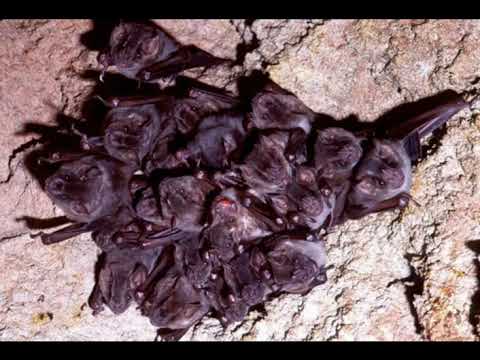
Bats have unique breeding and hibernation cycles. Understanding these patterns can help you appreciate how environmental factors influence their reproduction.
Breeding and Hibernation Cycles
Bats usually begin their breeding season in the spring when temperatures rise and food becomes plentiful. This timing helps mothers gather the fat reserves needed for healthy birthing. The bat calendar indicates that this period is essential for survival, as it aligns with warmer weather and abundant insects.
Most bat species have a short breeding season. Female bats generally give birth to one pup, though some species may have twins. After a gestation period of around 40 days, the pups are born. Once born, the mothers nurse them for about four weeks before they learn to fly and become self-sufficient.
Hibernation plays a critical role too. Before winter, bats build up fat reserves while they are active. During hibernation, they enter a state called torpor to conserve energy until spring returns. This cycle ensures that they are ready to breed once the temperature rises.
Delayed Fertilization Explained
Some bat species practice delayed fertilization. After mating, female bats can store sperm for several months. This ability allows them to wait for optimal conditions before fertilizing their eggs.
Delayed fertilization is especially useful in regions with long winters. Bats can mate in the fall and delay fertilization until spring when resources are more available. This strategy enhances the survival chances of the young.
The gestation period begins only after fertilization. Once the pups are born, they must quickly adapt to their environment. The timing of reproduction linked with delayed fertilization shows just how adaptable bats are to changing conditions. This remarkable reproductive strategy ensures that young bats are born at the right time for survival.
Lifecycle of Young Bats

Young bats, known as pups, go through a fascinating journey from their early days to becoming flying juveniles. This process includes essential stages like maternal care and the role of maternity colonies.
From Pups to Flying Juveniles
When baby bats are born, they are called pups, and they are very small and vulnerable. At first, they depend entirely on their mothers for nourishment and warmth. These pups are altricial, meaning they are not fully developed at birth and rely on maternal care.
As they grow, pups begin to develop rapidly. By six to eight weeks of age, they learn to fly and forage for food on their own. During this time, they strengthen their wings and build confidence. The gradual transition from ground to flight is a crucial step in their development.
You might find pups on the ground as they learn to master flying, which is perfectly normal. They often stay close to their mothers and the maternity colony during this time. This social environment aids their learning.
Maternal Care and Maternity Colonies
Maternal care plays a vital role in the survival of young bats. Mothers suckle their pups and provide warmth, ensuring their health and growth. Typically, a mother bat only raises one pup each year, with some species occasionally having twins.
Maternity colonies, or maternity roosts, are groups where female bats gather to raise their young together. This social structure is important for sharing the responsibilities of care. It allows mothers to support each other and protects the pups from potential threats.
In these colonies, young bats also learn essential survival skills. Observing and interacting with other bats helps them understand how to find food and navigate their environment.
The combination of maternal care and the benefits of maternity colonies is crucial for the young bats’ successful growth and development.
Environmental and Ecological Influences

Bats are greatly influenced by their environment and ecological factors. Key elements include food availability and how predators affect these creatures, as well as how human activities and diseases impact bat populations.
Food Supply and Predator Impact
Insects are the primary food source for many bat species, especially insectivorous bats. When food availability is high, bats tend to breed successfully. This is often linked to seasonal insect populations that peak in warm months.
Predators also play a significant role in bat behavior. If predator numbers are high, bats may become more cautious. This can affect where they choose to roost or feed.
Bats often gather in colonies near abundant food sources. Changes in insect populations due to climate or environmental conditions can influence breeding and population dynamics.
Human Activity and Disease Effects
Human activities can alter bat habitats and affect their reproductive success. Urbanization and land use changes can lead to fewer roost sites. This limits where bats can live and breed.
Diseases like white-nose syndrome have severely impacted bat populations. This fungal disease disrupts hibernation and affects overall health.
Reduced bat populations due to these factors can strain ecosystems since bats play a crucial role in insect control. Ensuring healthy bat colonies helps maintain balance in the environment.


