
Bats can sometimes find their way into your home, making them a surprising and unwelcome guest. If you’re dealing with a bat problem, you can safely and effectively get rid of them. To remove bats, start by sealing up any entry points and using natural deterrents to encourage them to leave.
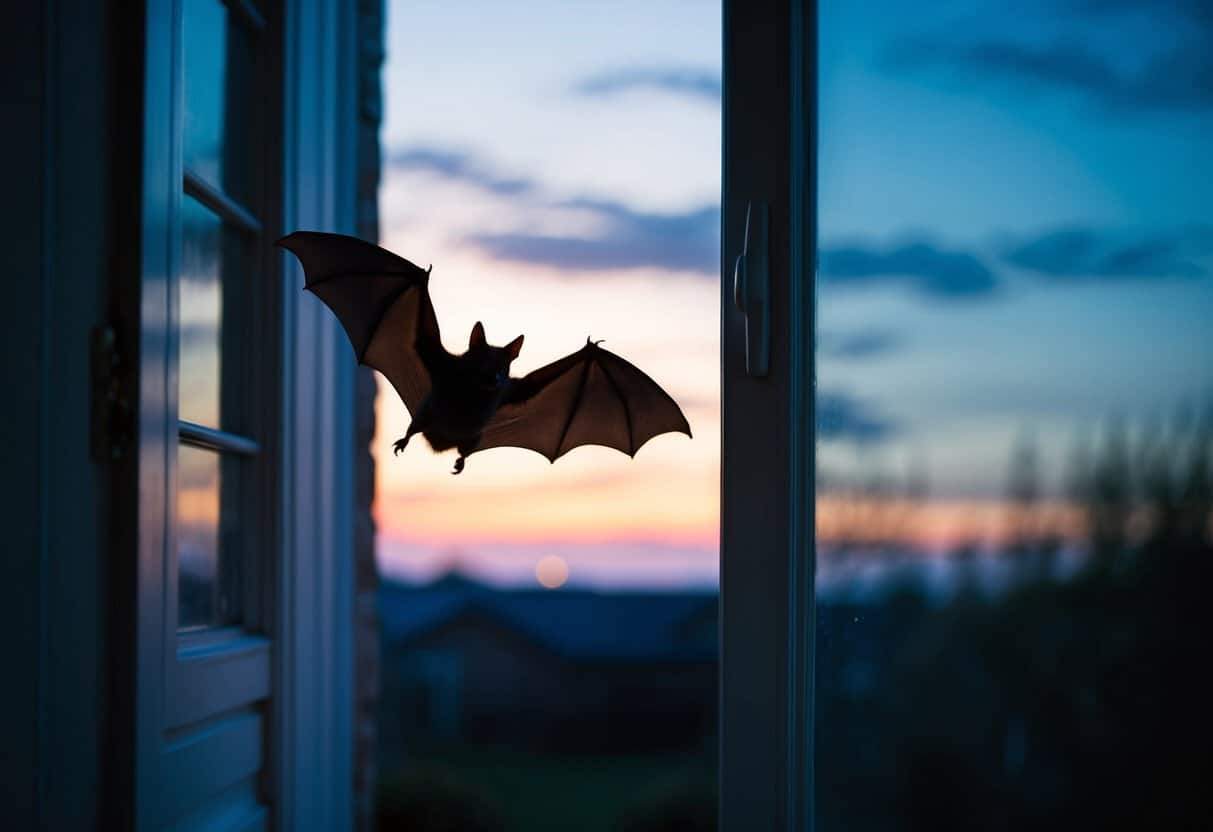
You may want to consider a few methods like turning on lights or playing loud music, as bats prefer dark and quiet spaces. Installing bat boxes away from your home can also help redirect them to a more suitable living area. Remember, you must handle bat removal carefully and humanely since they are protected in many places.
By taking these steps, you can reclaim your space without harming these fascinating creatures. With the right approach, you’ll find that keeping bats away is easier than you might think!
Understanding Bats and Their Behavior
Bats are fascinating nocturnal animals with unique behaviors and characteristics. Knowing about their species, roosting habits, and health risks can help you manage any issues with bats effectively.
Species and Roosting Habits
The most common bat species you might encounter include the little brown bat and the big brown bat. These bats often roost in attics, barns, or tree cavities during the day. They prefer warm, dark, and sheltered spaces to rest.
Bats typically roost in colonies, which can range from a few individuals to thousands. Their social behavior plays a vital role in their survival. These colonies help protect them from predators and create a microenvironment. If you find bats in your home, it’s likely they are seeking shelter and safety.
Breeding and Maternity Season
Bats breed in the late summer or early fall. After mating, female bats store sperm and delay fertilization until spring. Once the weather warms up, they give birth during the maternity season, which usually occurs in June.
During this time, mothers often roost together in colonies to care for their pups. It is essential to note that removing bats during this season can be illegal in many areas due to their protected status. You may see mothers nursing their pups, which are highly dependent on their mothers for survival.
Health Risks and Diseases
While bats play an essential role in ecosystems, they can carry diseases. One significant concern is rabies, a viral disease that can be transmitted to humans if bitten. Although only a small percentage of bats carry rabies, it’s essential to avoid direct contact.
Another health risk is histoplasmosis, a fungal infection that can develop from breathing in spores found in bat droppings. It can cause flu-like symptoms in humans. If you discover bats in your home, it is crucial to handle the situation carefully and seek professional help to ensure safety.
Home Inspection and Identifying Entry Points
To effectively manage a bat problem, you need to inspect your home thoroughly. Recognizing signs of a bat infestation and locating their entry points are crucial first steps in solving this issue.
Signs of Bat Infestation
Identifying bat droppings, also known as guano, is one of the clearest signs of their presence. Look for small, dark pellets that might accumulate in corners or near entry points. Additionally, bat urine may leave yellow stains on surfaces, indicating frequent activity.
You might also notice a strong, musty odor caused by the accumulation of droppings and urine. Sounds, such as chirping or fluttering at night, can signal active bats. Check for scratches or marks on walls and ceilings that could indicate bat activity.
Locating Bat Entryways
Bats typically enter homes through small gaps and cracks in the structure. Common entry points include areas around the roofline, chimneys, and attic vents. Begin by inspecting these areas closely for any openings.
Using a ladder, examine your roof for cracks in shingles or gaps around vents. Look closely at eaves and soffits. If you see droppings nearby, it’s a strong indicator of an entry point.
Mark any areas you find so that you can seal them later. It’s essential to thoroughly seal these entryways after removing the bats to prevent future infestations.
Bat Removal and Exclusion Techniques
When dealing with bats in your home, understanding the options for removing them safely is essential. You can choose between professional services or take a DIY approach. There are also ways to prevent bats from coming back, ensuring your space remains bat-free.
Professional Bat Removal Services
If you have a significant bat problem, hiring a professional bat removal service can be the best choice. These experts know how to handle bat infestations safely and legally. They use humane methods to remove bats without harm.
Professional services often use exclusion techniques, where they identify entry points. They can then seal these openings and install exclusion devices that allow bats to exit but not return. This comprehensive approach ensures the problem is tackled at its source.
DIY Exclusion Methods
For those who prefer to handle the situation on their own, several DIY exclusion methods are effective. First, inspect your home for any cracks or gaps where bats might enter. Common entry points include roofs, vents, and eaves.
Once you find these areas, you can seal them using materials like mesh or wire. You can also install one-way exclusion devices. These devices allow bats to leave but prevent them from re-entering. It’s important to do this at night, as bats typically leave to find food after sunset.
Bat-Proofing Your Home
Preventing bats from returning involves proper bat-proofing of your home. Start by removing any potential roosting spots, such as loose shingles or open attic spaces. Keeping your home tidy and free of clutter will help too.
Using natural repellents, like essential oils or mothballs, can deter bats as well. You might want to consider adding bright lights or noise-making devices to areas where you’ve seen bats. These elements can create an unwelcoming environment for them.
Taking these steps will help you maintain a bat-free home and protect your space from future infestations.
Aftercare and Preventing Future Infestations
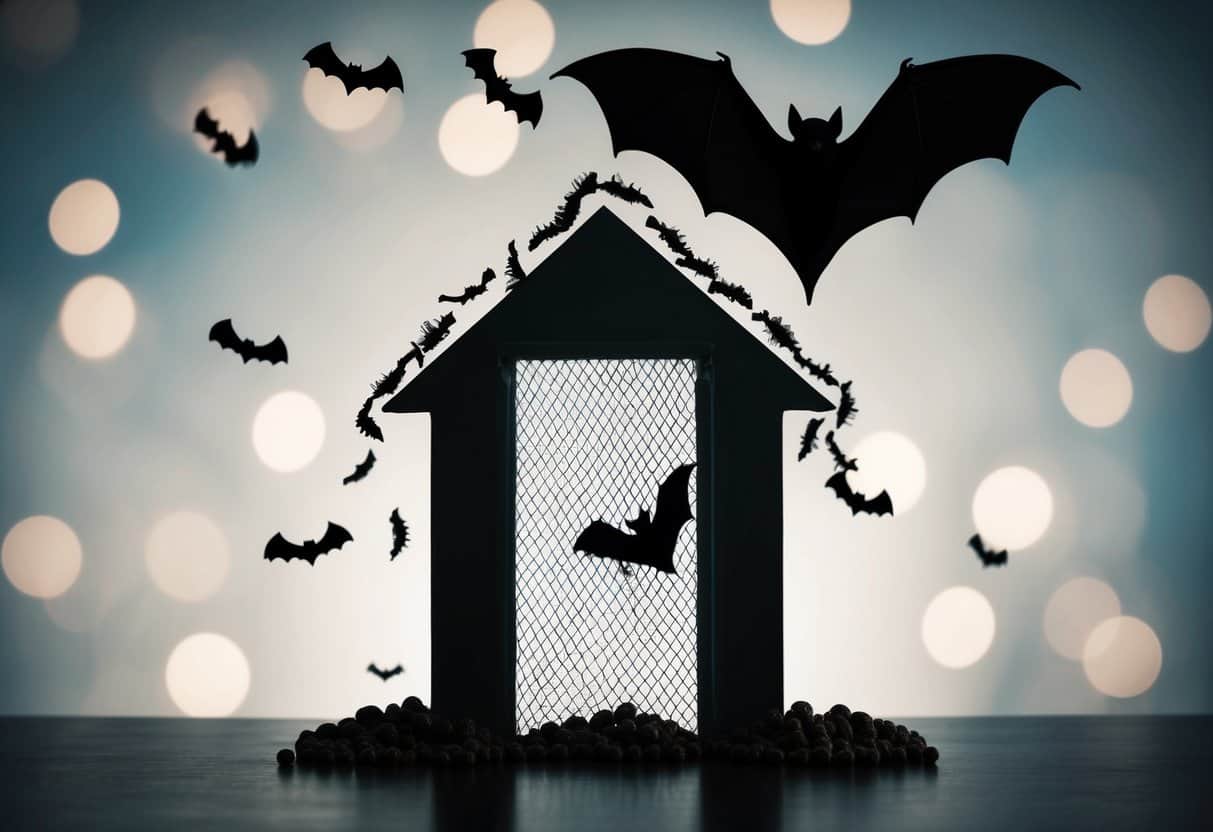
Taking care of your space after removing bats is essential. Proper cleanup and preventive steps can help you maintain a bat-free environment. You will also want to consider alternative solutions, like installing bat houses, to support local wildlife while avoiding unwanted visitors.
Cleaning and Disinfecting
Start by cleaning areas where bats roosted. Bat guano can carry diseases, so wear gloves and a mask. Use a vacuum with a HEPA filter for effective cleanup. Once you remove droppings, disinfect surfaces with a solution of water and bleach.
Make sure to ventilate the area to eliminate lingering odors. Focus on attics, where bats often leave droppings. Completing this cleanup is key to ensuring your home remains healthy and safe from potential infections.
Installing Bat Houses
Consider installing bat houses to provide bats with a safe space away from your home. These bat boxes encourage them to stay out of your living areas while helping with natural insect control. Bats are great at eating pesky insects like mosquitoes.
Place bat houses at least 10-15 feet above the ground in a sunny spot. This setup makes it appealing for bats. Monitor them occasionally to ensure your bat houses are attracting bats instead of encouraging them to return to your home.
Ongoing Monitoring and Maintenance
Make sure to regularly check your property for signs of new bat activity. Look for droppings or any signs that bats might return. If you see them, you may need to reassess your preventive measures.
Maintaining your home is essential. Repair any gaps or holes in attics or walls where bats could enter. You can also use ultrasonic devices that emit sounds to deter bats without harming them. Staying proactive will help you keep your home bat-free for the long term.


