
If you’ve noticed some unusual activity in your garden, it might be time to consider the possibility of badgers. These fascinating creatures can cause quite a bit of disruption while they search for food.
Common signs of badger activity include dug-up lawns and flower beds, snuffle holes from their foraging, and latrines filled with droppings.

Badgers are known for their strong digging skills, which can lead to patches of dead grass where they’ve been searching for insects and grubs. You might also spot their round, open pits that they create to mark their territory.
Understanding these signs can help you determine if badgers are the culprits behind your garden troubles.
As you get more accustomed to identifying badger signs, you’ll gain insights into the wildlife sharing your outdoor space. Learning about badgers not only enhances your gardening experience but also fosters a deeper appreciation for the nature around you.
Identifying Signs of Badger Activities
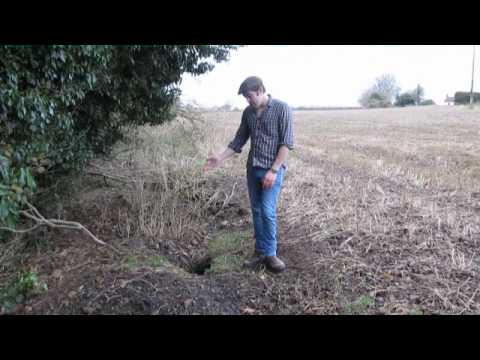
When badgers visit your garden, they can leave behind distinct signs. Observing these signs can help you determine their presence and understand their behaviors. Let’s explore the physical indicators and foraging signs that badgers leave behind.
Physical Indicators in the Garden
You may notice certain physical signs that indicate badger activity. Look for badger paths—these are narrow trails about 20 cm wide. They often lead from their sett to feeding areas, worn down to bare earth.
Another sign to check for are snuffle holes. These small pits are made when badgers dig in the ground, usually searching for earthworms and grubs. If your lawn has patches of ripped-up turf, it’s likely a badger was foraging for food.
Finally, the presence of badger hairs can also signal their activity. These hairs are usually grey or black and are often found near their setts or feeding areas.
Badger Dung and Foraging Signs
Another key indicator of badger presence is their dung. Badger droppings are often found in open pits and are considered latrines. These areas are used to mark their territory, so finding dung can confirm that badgers are around.
Their dung is usually shaped like small, irregular logs and can contain undigested food like earthworms.
When badgers forage, they can cause visible damage to your garden, especially in flower beds or lawns. Keep an eye on patches of disturbed soil, as these are clear signs of badger activity.
Recognizing these signs helps you appreciate the wildlife visiting your garden!
Understanding Badger Behavior

Badgers are fascinating creatures with specific habits and roles in their ecosystem. Knowing their behavior can help you manage their presence in your garden effectively.
Nocturnal Patterns and Feeding Habits
Badgers are primarily nocturnal animals, meaning they are most active during the night. You may notice them foraging in your garden after sunset. Their diet mainly includes earthworms, grubs, and various insects.
To attract these food sources, badgers dig in your soil, leaving behind noticeable disturbances. Keeping your garden clean and reducing food scraps can help limit their visits.
You might also see snuffle holes, which are small pits made by their snouts while searching for food. These signs indicate that a badger has been nearby. If you observe repeated digging, it may be time to take action.
Badger Habitats and Ecosystem Roles
Badgers need specific habitats, such as open woodlands, hedgerows, and farmland. They dig complex burrows known as setts, where they live and rear their young.
These native mammals are considered key ecosystem engineers. They contribute to soil aeration and nutrient cycling through their burrowing activities. This not only benefits the plants in the area but also supports other wildlife.
By understanding their natural behaviors and habitats, you can better appreciate these important creatures while protecting your garden. Recognizing badgers’ roles in the ecosystem can foster a respectful coexistence with them.
Preventative Measures and Deterrents

To keep badgers out of your garden, you can use specific strategies. These methods involve physical barriers and natural repellents that create an environment discouraging badgers from entering.
Physical Barriers and Garden Design
Installing physical barriers is one of the most effective ways to deter badgers. Consider using electric fencing around the perimeter of your garden. This type of fencing gives a mild shock that helps keep badgers away without harming them.
Chicken wire is another good option. You can bury it a few inches below the ground to prevent badgers from digging underneath. Ensure the wire stands at least 3 feet high to block access effectively.
Additionally, design your garden with fewer hiding spots and open spaces to make it less attractive to badgers. Removing thick brush and clutter will help in keeping them away, allowing you to enjoy your garden peacefully.
Natural Repellents and Deterrents
Using natural scents can be helpful in keeping badgers at bay. You might try citronella oil, which is known to repel various garden pests. Simply mix it with water and spray it around your plants.
Another effective deterrent is using scents like male urine. This method takes advantage of their territorial instincts. Many garden centers offer commercially prepared products that contain this.
Combining these natural repellents with barrier methods gives you a strong defense against badgers looking to invade your garden. Keeping your space uninviting yet appealing to other creatures is key.
Legal and Ethical Considerations

When dealing with badgers in your garden, it’s important to understand the legal protections in place for these animals and how you can promote harmony between them and your outdoor space. Knowing these aspects will help you manage any issues responsibly.
Wildlife Protection Laws
Badgers are protected under the Protection of Badgers Act 1992 in the UK. This law makes it illegal to harm or kill badgers or interfere with their setts, which are their burrows. If you suspect that badgers are living in your garden, it is essential to avoid any harmful actions.
To manage badger issues legally, you might consider less intrusive methods. Barriers like a well-built badger gate can prevent them from entering your garden without causing them harm. Always check local laws, as penalties for violations can be severe, including fines or imprisonment.
Promoting Coexistence with Badgers
Promoting coexistence is key to enjoying your garden while respecting local wildlife. You can create a garden that attracts beneficial wildlife while minimizing badger disturbances.
Consider planting native plants that support a variety of insects, birds, and other wildlife. This helps maintain healthy ecosystems and reduces conflicts.
Installing sturdy fencing that goes underground can discourage badgers from digging in your area.
Also, avoid leaving food sources like pet food outside. This can draw badgers to your garden.
By taking these simple steps, you can encourage a peaceful relationship with these fascinating creatures while also protecting your plants.


