
Finding a bat in your house can be surprising. If it dies, it might leave you wondering about its meaning. A deceased bat in your home is often seen as a sign of transformation and change. It encourages you to reflect on what’s happening in your life. While some cultures view the bat as a symbol of bad luck or death, it can also signify the end of one phase and the beginning of another.

When a bat dies in your house, it can evoke many feelings from fear to curiosity. Some believe this event urges you to take a closer look at the changes or challenges you may be facing. Paying attention to these signs can help you navigate through transitions more smoothly.
Understanding the significance of a bat’s death might offer you insight into your current situations. Whether you are facing personal struggles or professional shifts, this occurrence can be a gentle nudge to embrace the changes ahead.
Cultural and Spiritual Significance of Bats

Bats hold various cultural and spiritual meanings across different societies. They are often seen as symbols of transformation, good luck, and protection. Understanding these associations can enhance your spiritual journey and personal growth.
Mythological Associations
In many cultures, bats are linked to good fortune and blessings. For instance, in Chinese culture, a bat is a symbol of happiness and wealth. Seeing one can be seen as a message of good luck coming your way.
In some Native American traditions, bats symbolize rebirth and transformation. They are often associated with the night and the hidden aspects of life, which can lead to deeper spiritual insights. Their ability to navigate darkness mirrors your capacity for personal growth and spiritual awakening, guiding you on your journey.
Bat as Spirit Animal and Totem
When a bat appears as your spirit animal or totem, it invites you to embrace change and transformation. This can be a sign to let go of old habits or beliefs that no longer serve you. Bats are known for their ability to move through darkness, suggesting that you can find light in challenging times.
Having a bat as a spirit guide emphasizes protection and intuition. It encourages you to trust your instincts and delve into your spiritual growth. You may find that this powerful totem helps you discover hidden knowledge and insights, aiding your spiritual journey.
Understanding the Omen: Death of a Bat in Your House
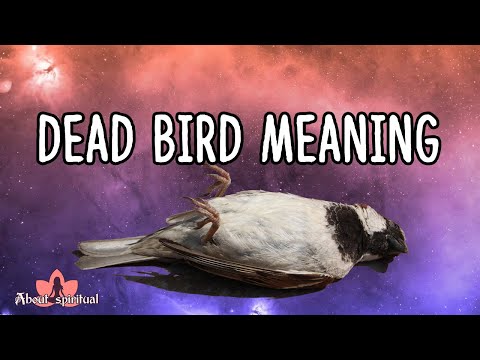
Discovering a dead bat in your home can feel unsettling. This occurrence often brings up questions about its meanings and possible implications in your life. Many cultures associate this event with significant changes or transformations, but interpretations can vary greatly.
Interpreting the Message
When a bat dies in your house, it may symbolize a metaphorical death. This doesn’t mean the end of a life but rather the end of a phase or relationship in your life. Bats can signify death and rebirth, suggesting that something must end for new opportunities to arise.
The presence of a dead bat might also indicate a need for spiritual protection. It’s as if the universe is alerting you to cleanse old energies and welcome fresh ones. It can also serve as a reminder to connect with the divine. Pay attention to changes in your life that may soon unfold.
Historical Views on Bats and Death
Historically, bats have carried a mixed reputation. In some cultures, they are seen as bad omens, while in others, they are viewed as symbols of luck and transformation. In Native American traditions, bats represent death and renewal, pointing to a cycle of life.
In many places, a dead bat can indicate impending misfortune or changes that may challenge you. This perspective highlights the need to be aware of your surroundings and the messages they might carry. A dead bat doesn’t always signify doom; sometimes, it invites you to reflect and embrace new beginnings.
Exploring the Psychological Impact

When a bat dies in your house, it can trigger deep reflections. You might experience significant emotional responses and consider the broader meanings behind this event. This moment can lead to insights about your life and feelings.
Personal Reflection and Insight
Encountering a dead bat can spark a moment of personal reflection. This situation may prompt you to think about changes in your life or feelings that need addressing. You might feel an urge to tap into your inner wisdom. Consider what this experience is trying to tell you.
Reflect on your current circumstances. Are you letting go of the past? Do you have emotional upheaval? This could be an opportunity for growth. Each experience, even unsettling ones, can guide you toward new beginnings and insights about yourself.
Emotional Responses to Bats
Your emotional response to seeing a dead bat can vary widely. Some people might feel fear or sadness, while others may find themselves facing long-buried emotions. Bats, as symbols of intuition and guidance, remind you to confront these feelings.
Take the time to assess your emotions. What fears are coming to the surface? You might realize this is a chance to live life to the fullest. Facing these feelings can open doors. You may notice new perspectives and opportunities for growth that you hadn’t considered before.
Natural Behavior of Bats and Misconceptions
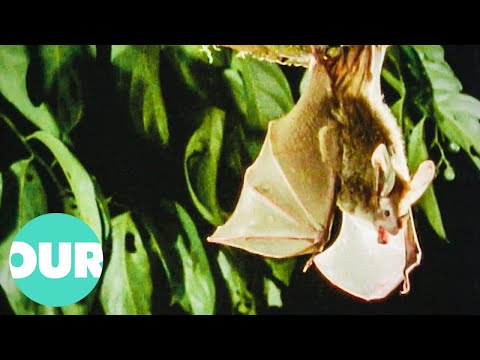
Bats are fascinating nocturnal creatures that play important roles in our ecosystems. Understanding their natural behaviors can help dispel common myths about them. This section will clarify how bats navigate their world and their true nature.
Bats as Nocturnal Creatures
Bats are primarily nocturnal, meaning they are active at night. This allows them to find food, avoid predators, and take advantage of cooler temperatures. Many people think that their nighttime activity makes them mysterious or even dangerous, but bats generally avoid human interaction.
As guardians of the night, bats play a vital role in controlling insect populations. They can consume up to 1,000 insects in an hour, helping to reduce pests around your home. While you may encounter bats inside your house, they usually seek shelter to rest, not to invade your space.
Understanding that bats are not out to harm you can change how you feel when you find one nearby. They symbolize freedom and independence, adapting well to various environments.
The Role of Echolocation
Bats use echolocation to navigate and hunt in the dark. This amazing ability involves emitting high-pitched sounds that bounce off objects, allowing bats to “see” their surroundings. Contrary to the saying “blind as a bat,” many species have excellent eyesight too.
Echolocation helps bats avoid obstacles and find food, demonstrating their incredible adaptability. You might be surprised to learn that most bats are not dangerous to humans. The misconception that bats can transmit rabies is inflated; less than 0.5% of bats carry this virus.
By understanding more about these flying mammals, you can appreciate their role in the community. They are not just creatures of the night; they are essential for a balanced ecosystem. Embracing the mysteries of their behavior can enrich your perspective about them.


