
If you’ve ever found a bat in your home, you might wonder, do bats leave your house? The good news is that most bats do leave on their own each night to hunt for food. They are nocturnal creatures that typically exit their roosts around dusk, making them more active after sunset.
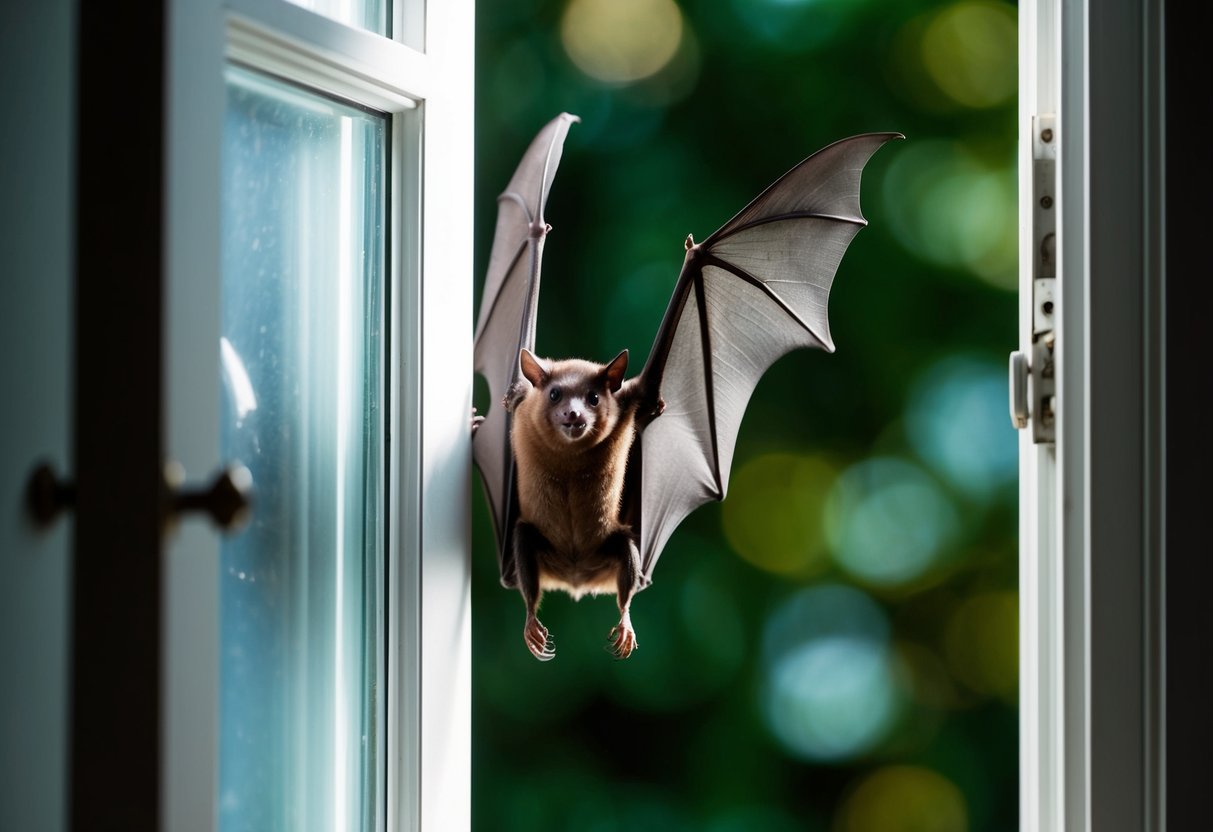
If you have a bat infestation, you may notice bats returning regularly. While a single bat can often find its way out, a colony might require bat removal methods to ensure they don’t come back.
Understanding bat behavior is key to preventing their entrance into your living space and finding effective solutions if they do get inside.
Watching for signs of bats, such as droppings or sounds, can help you take timely action. By learning about bat habits, you can better manage your home environment and keep your living space bat-free.
Understanding Bat Behavior

Bats have unique behaviors that can affect your living spaces. Learning about the species commonly found in homes, recognizing signs of an infestation, and understanding their hibernation and maternity cycles can help you manage these furry residents effectively.
Species Commonly Found in Homes
Several species may make your home their own. The big brown bat (Eptesicus fuscus) is one of the most common. They are medium to large, often roosting in attics and other sheltered areas.
Also prevalent is the little brown bat. These small bats are known for their agility in catching insects. They thrive in human habitats, especially during warmer months when they seek warmth and safe hiding spots.
Signs of a Bat Infestation
You may notice specific signs indicating bats have taken up residence in your home. Some common indicators include:
- Droppings (Guano): Look for small, dark pellets near entry points.
- Noises: Bats can create sounds such as squeaking or rustling, especially at night.
- Odor: A strong, musky smell could signal a significant presence.
Acting quickly can prevent a minor issue from becoming a larger one.
Hibernation and Maternity Season
Bats enter hibernation during winter to conserve energy. In colder climates, your home might provide a warm refuge. Bats are sensitive during this time, so if they are in your space, avoid disturbing them.
In spring, many bats enter maternity season. Female bats give birth to their young, and they need a safe environment to raise them. During this time, the activity levels might increase as bats use your home for nesting.
Being aware of these life stages helps you know when to expect bats and how to manage their presence.
Preventing and Handling Bats in Your Home

Keeping bats out of your home is essential for your safety and peace of mind. By taking proactive steps, you can prevent their entry and handle any issues effectively. This section covers how to stop bats from getting in, safe removal methods, and cleaning up afterward.
Preventing Bat Entry
To discourage bats from entering your home, start by sealing any gaps or entry points. Check areas around windows, vents, and eaves. Use materials like caulk or steel wool to close small openings.
Make sure to install vent covers and chimney caps to block larger gaps. Regularly inspect your home for signs of wear.
Consider using bat repellents, like ultrasonic devices, to make your space less attractive. Creating a less welcoming environment can help you to effectively prevent bats from nesting in your attic or other areas.
Safe Bat Removal
If you find bats inside your home, it’s important to handle the situation with care. Do not try to handle the bats yourself. They can carry diseases like rabies, which is a serious concern.
Instead, contact a licensed wildlife rehabilitator or pest control expert. These professionals have the skills to remove bats safely. They can also help you identify areas where bats may enter.
Using a one-way bat valve is another great option. This device allows bats to exit but prevents them from returning. Always prioritize safety during this process.
Cleaning After Bats
Once bats are removed, cleaning your home is vital. Bat droppings, known as guano, can harbor diseases like histoplasmosis. This fungus can be harmful to humans, so take precautions.
Wear gloves and a mask while cleaning affected areas. Use a disinfectant spray to clean surfaces where bats were present. Carefully dispose of droppings in sealed bags to minimize contamination.
If the infestation was serious, consider hiring a professional cleaning service. They can ensure that the area is completely sanitized and safe for you and your family. Taking these steps will help you maintain a healthy home environment.
Building and Installing a Bat House

Building and installing a bat house can be a rewarding project. It provides a home for bats, helps with insect control, and promotes bat populations in your area. Here’s what you need to know about the benefits and how to properly set up your bat house.
Benefits of Bat Houses
Bat houses offer several advantages for you and your environment. First, they help control insect populations by attracting bats, which can eat thousands of insects each night. This natural pest control can reduce the need for chemical pesticides in your yard.
Additionally, bat houses support local bat populations, which are essential for pollination and seed dispersal. By providing shelter, you can help these beneficial creatures thrive. Installing a bat house can also enhance your garden’s ecosystem, creating a more balanced environment for plants and wildlife alike.
Bat House Plans and Placement
Specific designs work best when planning to build a bat house. Experts say a four-chamber bat house is ideal for attracting multiple bat species. Make sure your bat house has roughened interior walls for better traction.
Placement is equally important. Position your bat house at least 12 to 15 feet high on a sturdy structure. Bats love warm areas, so face the house toward the south or southeast for optimal sun exposure. Consider installing one-way doors on existing entry points to guide bats toward their new home without allowing them inside your house.


