
Bats can be surprising guests in your home, and their presence may leave you wondering why they keep coming in. Bats often seek shelter in homes because they are nocturnal animals looking for dark, quiet spaces to roost during the day. These creatures thrive in areas that provide protection from predators and harsh weather.

If you’ve noticed bats flying around or even inside your house, there are a few reasons behind their visits. They might be attracted to your home as a safe haven, especially if you have accessible entry points like gaps in your roof or walls.
Understanding their behavior can help you take steps to keep them outside, where they belong.
As you read on, you’ll learn more about the specific reasons bats come into homes and how to prevent these fascinating animals from making your space their own. Understanding their needs can guide you in keeping your home bat-free while respecting their role in the ecosystem.
Understanding Bats and Their Habitat Preferences
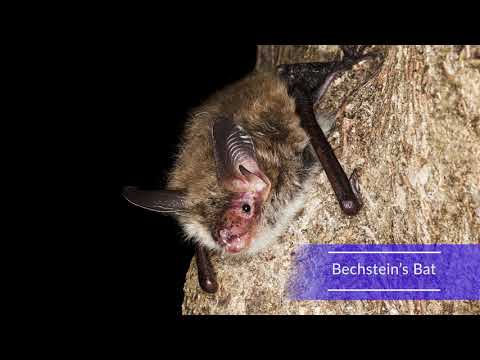
Bats have unique behaviors and preferences for where they live. Knowing these habits can help you keep them out of your home and understand their role in the ecosystem.
The Natural Roosting Behavior of Bats
Bats prefer to roost in places that offer warmth, safety, and shelter. This could include trees, caves, and even buildings. They like dark, quiet areas where they can hang upside down and rest.
In your home, bats might find gaps in your roof or walls. If a bat colony establishes itself, it can attract more bats over time. Their presence can also mean they are seeking warmer areas, especially during colder months.
To prevent this, seal any cracks or openings you find.
Seasonal Patterns: Hibernation and Summer Roosts
Bats typically hibernate during the winter in places that are cool and humid. This allows them to conserve energy when food is scarce. You might notice fewer bats around your house during these months.
In summer, bats become active again and seek warmer roosting spots. They often form colonies in these months, making them more noticeable.
To create a welcoming environment for bats outside your home, consider installing bat houses. These houses provide safe resting spots and can keep bats away from your living space.
Why Bats Enter Homes

Bats often seek shelter in homes for various reasons. Understanding why this happens can help you prevent these creatures from making your space their home. Let’s explore the reasons behind their entry and the main points where they tend to get inside.
Looking for Shelter: Reasons Behind Bat Entry
Bats are nocturnal animals that love dark, warm places to rest during the day. Your home might offer just the right shelter for them. They usually look for tight spaces that provide security from predators and harsh weather.
They are also drawn to attics and basements where it is quiet and undisturbed. If you leave windows open or don’t secure entry points, bats can easily discover your home as a suitable place to roost. Bats are creatures of habit; once they find a good spot, they are likely to return.
Identifying Common Entry Points in Your Home
Bats can squeeze through very small openings, often less than an inch wide. Check areas such as:
- Fascia Boards: These are commonly used in roofing and can have gaps that allow bats inside.
- Chimneys: If not capped properly, chimneys can serve as a direct access point.
- Vents: Attic vents can provide a pathway for bats seeking shelter.
- Basement Windows: Open windows or cracks can also attract bats looking for a hiding place.
By knowing these entry points, you can effectively bat-proof your home and ensure your living space stays comfortable and safe.
Health and Safety Concerns with Indoor Bat Presence

Bats in your home can lead to several health and safety issues. Understanding the risks they pose is important for your well-being. Here’s a look at the primary hazards and diseases associated with bats.
Hazards Related to Bat Infestations
Bat infestations can create unsafe living conditions. One major concern is the accumulation of bat guano. These droppings can cause structural damage and emit a musty odor. This odor often indicates a buildup of waste, which can attract other pests.
When cleaning bat droppings, it’s essential to wear protective gear such as gloves and masks. Disturbing guano can release harmful spores into the air. If you breathe these in, it can lead to respiratory issues.
Furthermore, bats often roost in small, hidden areas of your home. This can make it difficult to detect an infestation until there’s a larger problem.
It’s best to regularly check for signs of bats, especially in attics and basements.
Diseases Associated with Bats in the House
Bats are known carriers of several diseases that can affect humans. One significant concern is rabies. Although not all bats are infected, any bat that shows unusual behavior should be reported to local wildlife control.
Another health risk comes from histoplasmosis, a fungal infection linked to bat droppings. Exposure can occur when disturbed guano spores enter your lungs. Symptoms include fever, coughing, and difficulty breathing.
To minimize these risks, avoid direct contact with bats and their droppings. If you find a bat in your home, it’s best to call professionals who can safely remove them. This protects your health and ensures proper cleanup of any bat-related mess.
Effective Remediation and Prevention Strategies

When dealing with bats in your house, it’s crucial to take more than one approach for effective remediation and prevention. Below are detailed strategies that can help you address a bat problem while ensuring your safety and protecting your home.
Professional Bat Removal and Cleanup
If you discover bats in your home, calling for professional bat removal is often the safest choice. These experts specialize in safely removing bats and cleaning up droppings, which can carry health risks.
Professionals know how to locate and seal entry points, preventing future occurrences. During cleanup, they will remove guano (bat droppings) safely to avoid spreading diseases.
This process ensures that your home is free from contaminants while reducing the insect populations that bats typically prey on. Always choose licensed and reputable pest control services for the best outcome.
DIY Tips: Seal Entry Points and Install Bat Houses
You can take steps to bat-proof your home, starting with sealing any entry points. Inspect your home for gaps around vents, chimneys, and windows. Use materials like caulk and hardware cloth to fill these openings.
Additionally, consider installing bat houses outside your home. This can provide a safe place for bats to roost away from your attic or living spaces.
Bats are beneficial for pest control, as they consume large amounts of insects. By providing alternatives, you can reduce the chances of them entering your home while still allowing them to contribute to the ecosystem.
Increasing Safety: When to Contact Pest Control
Knowing when to contact pest control for a bat problem is essential. If you’re uncomfortable handling the situation on your own, particularly due to health risks, it’s best to call in the professionals.
You should take action if you hear scratching noises in your walls or find droppings in your home. These are immediate signs that you need to prioritize safety. Bats can carry diseases and should be removed carefully. Enlisting a licensed expert ensures both your safety and the welfare of the bats. This allows for a humane and effective resolution.


