
Many people have wondered about the effects of bat pee. Bat urine can pose health risks, especially when it accumulates in large amounts.
This is important to know, especially if you have bats roosting close to your home.

The urine from a larger colony can create noticeable smells and potential problems for your property. Beyond the odor, bat droppings and urine can attract pests and harbor diseases that can be harmful to humans. The accumulation of waste is the main concern, which can lead to health risks over time.
Understanding the risks associated with bat urine can help you take precautions if bats are present nearby. Knowing how to manage areas with bat droppings and urine is essential for keeping your environment safe and healthy.
Understanding Bat Biology and Behavior
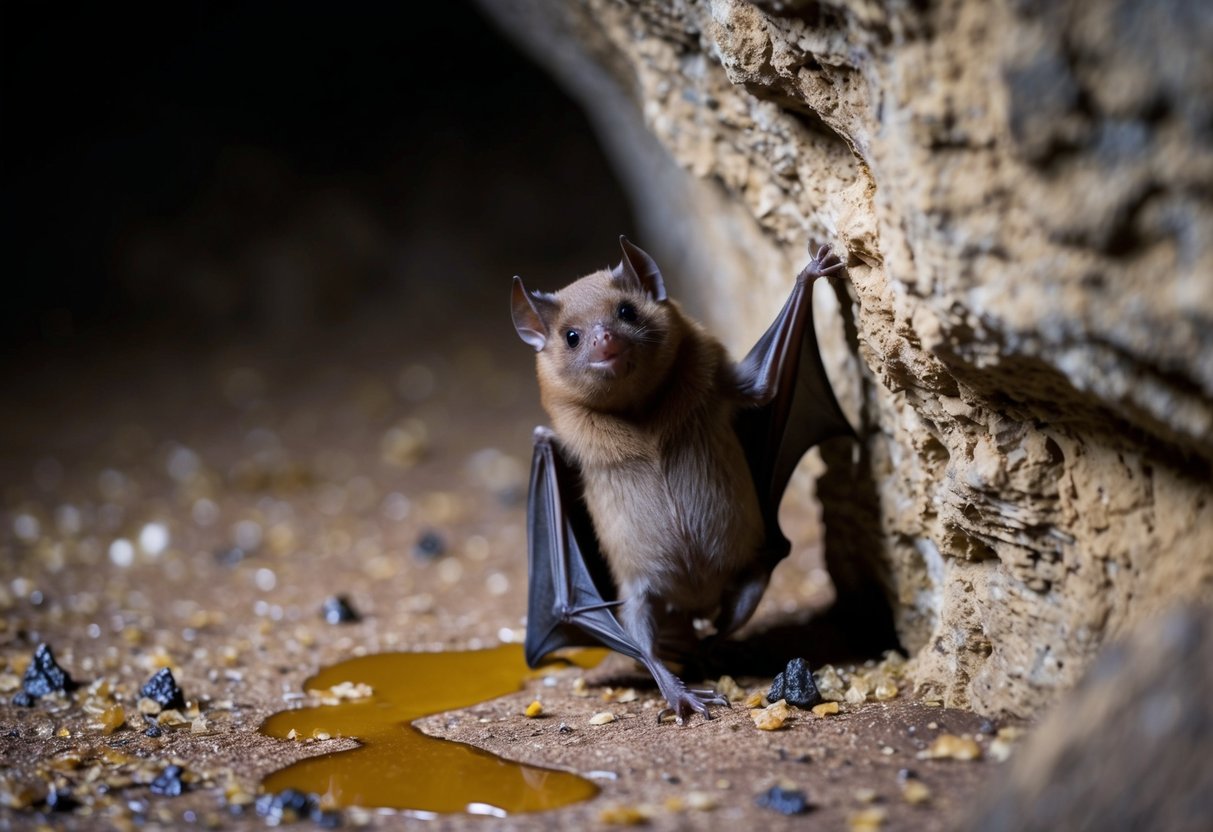
Bats are unique creatures with specific living habits. Their roosting areas and droppings are important aspects to know when discussing bat behavior and the potential impacts of their presence in your space.
Bat Roosting Habits and Droppings
Bats often roost in areas that provide shelter and safety. Common places include attics, eaves, and trees. A single bat can lead to a colony forming if conditions are right.
When bats roost, they create droppings known as guano. This droppings can accumulate quickly, especially in a bat infestation.
Guano is high in nutrients and can actually benefit soil. However, it can cause staining and unpleasant odors. Over time, bat droppings release ammonia, which can affect air quality.
If you discover guano in your home, it’s essential to identify the source. Regular inspections can help prevent large colonies from forming.
Differences Between Bat and Rat Droppings
Identifying droppings can help you determine what type of animal is present. Bat droppings, or guano, are often small, dark, and look like tiny pellets. They typically have a shiny appearance due to the insects bats consume.
In contrast, rat droppings are larger, about the size of a raisin, and have pointed ends. They often appear in clusters.
Understanding these differences is crucial to addressing any pest issues. If you find bat droppings, consider professional removal services to ensure safety. Proper handling is necessary to prevent exposure to harmful pathogens.
Knowing the signs can help you manage your home effectively and keep it safe from unwanted guests.
Health Implications of Bat Excretions

Bat excretions, including urine and droppings, can lead to health concerns. It’s essential to understand the diseases linked to these excretions and to recognize any symptoms that may arise.
Histoplasmosis and Other Diseases
Histoplasmosis is a respiratory disease caused by a fungus that can thrive in bat droppings. When these droppings dry out and become dust, inhaling them can lead to infection. Symptoms include cough, fever, and fatigue.
Leptospirosis is another concern, which is a bacterial infection linked to exposure to bat urine. It can cause flu-like symptoms and, in severe cases, affect your kidneys and liver. Rabies is a more serious disease associated with bats. While the risk of bat urine transmitting rabies is low, it’s still vital to be cautious.
Recognizing Symptoms and Seeking Help
Being aware of symptoms is crucial. For histoplasmosis, you might experience a persistent cough, fever, and difficulty breathing. Allergic reactions can also occur from exposure, leading to respiratory issues.
If you suspect you’ve been exposed to bat excretions, reaching out for help is important. You can contact your local National Bat Helpline for guidance. If symptoms persist or worsen, seek medical attention promptly. Early treatment can make a significant difference in recovery.
Mitigating Risks from Bat Droppings

Keeping your space safe from bat droppings requires proper cleaning and good prevention methods. By following these steps, you can minimize health risks and maintain a clean environment.
Proper Cleaning and Hygiene Practices
When cleaning bat droppings, wearing a dust mask is essential. This helps protect you from dust inhalation, which can cause respiratory issues. Use gloves to avoid direct contact with bat feces and other waste.
Start by wetting the droppings with a mixture of water and a mild disinfectant. This prevents dust from getting stirred up. Once wet, you can carefully scoop up the droppings using a shovel or dustpan.
Dispose of the waste in a sealed bag to prevent contamination. After cleanup, wash your hands thoroughly with soap and water, even if you wore gloves. Regular cleaning prevents buildup and reduces health risks associated with bat excrement.
Prevention of Bat Infestation
To avoid bat droppings, you must first prevent bats from entering your home.
Inspect your property for gaps, cracks, or holes that bats could use to gain access. Seal these openings using materials like caulk or mesh.
Keep your home well-lit at night, as bats prefer dark spaces. Trim trees and shrubs around your property to eliminate potential roosting spots.
Additionally, installing bat houses away from your living area can provide bats a safe alternative while keeping them away from your home.
If you notice any signs of bat activity, consider contacting professionals to safely remove them from your space. Taking these preventative steps creates a healthier living environment.
Environmental and Structural Impact

Bat urine and droppings can be more than just a nuisance. Their acidic nature can lead to significant property damage. Understanding how these substances affect your environment is crucial.
Acidic Nature of Bat Excretions
Bat urine is high in uric acid, which can be corrosive. Over time, this acid can damage materials like wood and metal. If left untreated, surfaces can deteriorate.
You might notice staining on polished surfaces as urine seeps in. The strong ammonia smell often becomes apparent, especially in enclosed spaces. This odor can increase when the area is damp.
In addition, concentrated deposits of bat guano can lead to hard, crystallized formations. These formations not only appear unsightly but can also continue to cause corrosion as they draw moisture from the air.
Property Damage and Long-Term Effects
Bat urine can severely damage your property. It seeps through walls and ceilings, leading to structural damage. This can compromise the integrity of your home.
Materials like beams, insulation, and roofing may be affected. When wood absorbs urine, it may expand and weaken. Stains can also be found on walls, as the liquid seeps down from attics.
The financial costs associated with these damages can add up quickly. Regular maintenance and prompt cleaning can prevent bigger issues. Consider composting bat guano as a way to manage waste while minimizing damage to your property.


