
If you’ve discovered bats in your attic, you might feel uncertain about what to do next. While bats can pose some health risks, they can also be beneficial in controlling pests. Leaving bats in your attic is generally not advisable due to potential health concerns, but it’s essential to address the situation properly to maintain a safe environment.
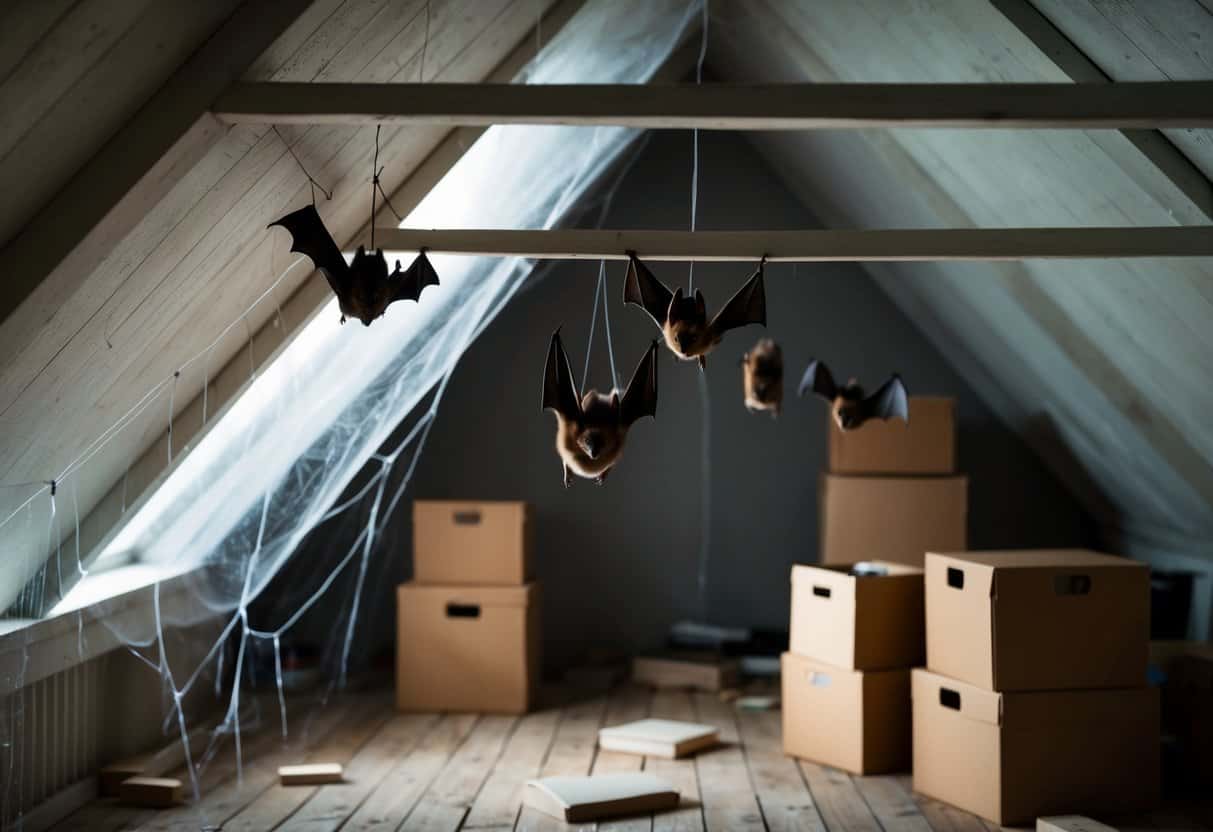
Bats are protected animals in many areas, so you need to approach removal with care and respect. You may wonder if it’s safe to live with them. Generally, it can be safe if the bats are managed correctly and don’t pose health risks. Learning more about their habits and when they leave can help you make an informed decision regarding their presence in your home.
In this article, you’ll find out what you need to know about living with bats in your attic, including how to identify potential health risks and the best steps for safe removal. Understanding more about these creatures and their behaviors will help you navigate this unusual situation with confidence.
Understanding Bats in the Attic
Bats are common visitors to attics, especially during certain times of the year. Knowing more about their species and behavior, as well as the signs of an infestation, can help you manage the situation effectively.
Species of Bats and Their Behavior
In North America, many bats are small and beneficial. The most common species found in attics include the Little Brown Bat and the Big Brown Bat. These bats often use your attic for roosting, especially in the warmer months.
Bats tend to choose attics because they are warm and provide shelter. As winter approaches, many will hibernate in caves or similar locations. Others may migrate to warmer areas. You might see baby bats in spring when females give birth after hibernation. They can be quite vulnerable and dependent on their mothers during this time.
Signs of a Bat Infestation
Identifying a bat infestation early is crucial for managing the situation. Look for specific signs that indicate bats may be living in your attic. Here are some key indicators:
- Nocturnal activity: You may hear fluttering or scratching sounds at night.
- Droppings: Guano can accumulate, often mistaken for mouse droppings, but it has a distinct smell.
- Entry points: Small openings around eaves, vents, or chimneys can be clues that bats are entering.
If you notice baby bats or a strong odor from bat guano, it’s important to act promptly. These signs indicate a more significant issue that may require professional help to remove the bats safely and legally.
Health and Safety Concerns
Having bats in your attic may lead to several health and safety issues. It’s important to understand the potential diseases they can carry and the risks posed by their droppings.
Potential Diseases from Bat Occupancy
Bats can carry diseases that are harmful to humans. One of the most serious is rabies. If a bat bites you, the virus can spread quickly, leading to severe health complications.
While most bats are not rabid, it’s vital to treat all encounters as potentially infectious. Another concern is histoplasmosis, a lung disease caused by a fungus found in bat droppings. It can be especially dangerous for people with weakened immune systems.
Symptoms may include fever, cough, and fatigue. If you suspect exposure to bats, it’s wise to consult a healthcare professional for advice.
Risks of Bat Droppings and Guano
Bat droppings, known as guano, can accumulate quickly in attics. This buildup can pose significant health risks, including histoplasmosis if disturbed.
When cleaning up guano, it’s essential to take precautions. Always wear gloves and a mask to avoid inhaling spores. It’s also best to dampen the droppings before cleaning, which helps reduce dust.
Any cleanup should be done carefully to prevent exposure. If the accumulation is large, consider hiring a professional service for safe removal. Ignoring bat droppings can lead to more severe health issues over time, so timely action is important.
Effective Bat Removal Techniques
Removing bats from your attic can be a delicate process. It’s important to consider both professional solutions and DIY methods. Here are effective ways to handle this situation.
Professional Wildlife Control Solutions
If you’re facing a significant bat problem, calling a wildlife control expert is a wise choice. These professionals use humane methods to ensure the bats are safely removed. They typically employ specialized equipment, like one-way exclusion devices.
These devices allow bats to leave but prevent them from getting back in. Experts will also inspect your home for any gaps or entry points that need sealing. This step is essential to keep future bats from returning. Hiring a professional gives you peace of mind and ensures the job is done right.
DIY Exclusion Methods
If you prefer a hands-on approach, there are effective DIY exclusion methods. One popular method is using bat cones. These are simple devices that attach to entry points, allowing bats to exit but not return.
Before sealing any openings, make sure all bats have left, ideally in late evening or early morning. After confirming the exit, seal all entry points with durable materials. This could involve screening, caulking, or other methods to block small gaps.
Using these techniques means you can tackle the problem without causing harm to the bats. It’s key to act promptly to prevent any larger infestations in your attic.
Preventative Measures and Maintenance
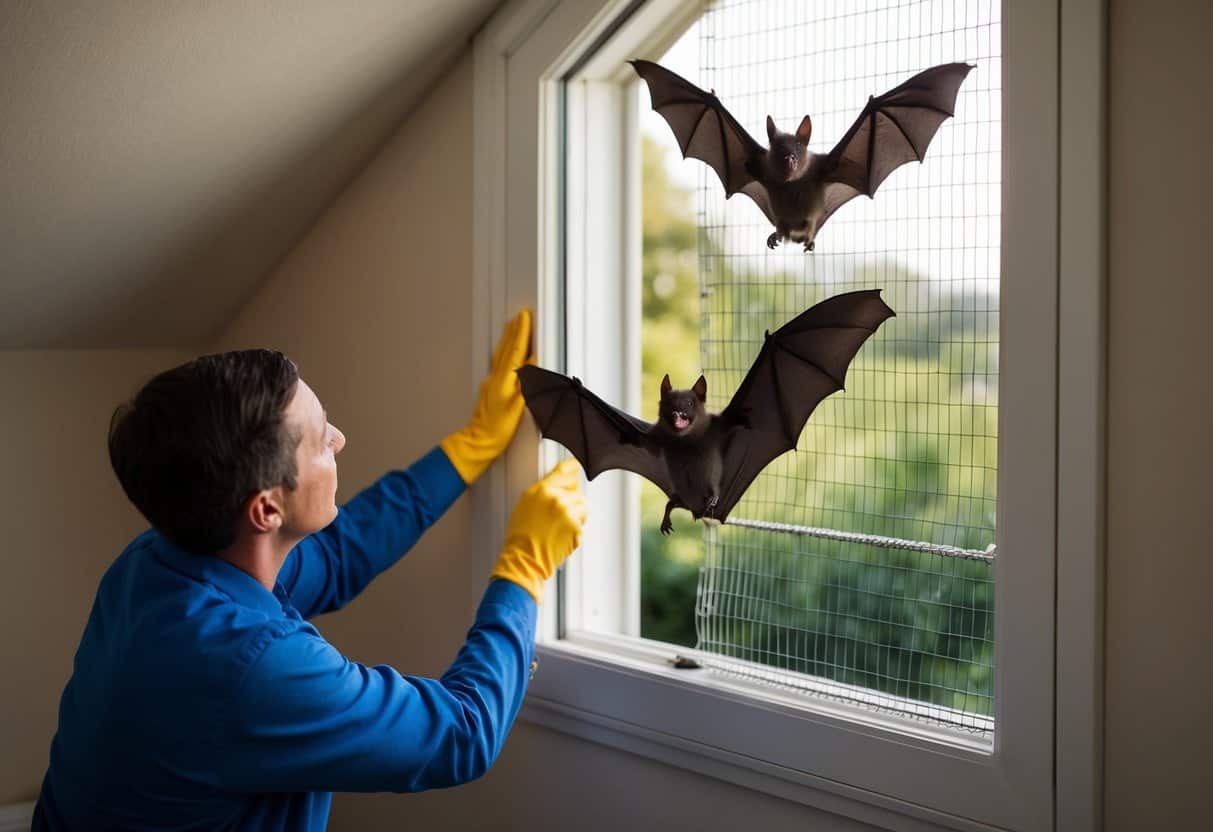
To keep bats from settling in your attic, it’s essential to take some specific steps. Focusing on sealing entry points, using natural repellents, and conducting regular inspections can significantly reduce the chances of an infestation.
Sealing Entry Points and Future Proofing
First, identify and seal any entry points. Bats can enter through small gaps, even as small as a quarter. Inspect areas around vents, eaves, and the roofline. Use caulk or foam insulation to close these gaps.
Consider installing a bat exclusion device at any remaining entry points. This allows bats to exit without returning. This method is humane and effective. Make sure to check all areas where bats might enter to future-proof your home against future infestations.
Natural Repellents and Deterrents
Using natural repellents can be another layer of protection. Essential oils like peppermint and eucalyptus can deter bats when used in areas they might enter. Mix a few drops of these oils with water in a spray bottle.
Spraying this mixture around suspected entry points creates a scent barrier that bats dislike. Additionally, hanging fabric soaked in these oils can act as a further deterrent.
Using these methods is cost-effective and safe for both your family and the environment.
Regular Inspections
You must conduct regular inspections of your attic. Set a schedule to check for any new signs of entry or nesting. Look for droppings or chewed insulation, as they are indicators of bat activity.
If you notice any signs, contact wildlife removal experts quickly. They can help handle the situation safely and effectively. Regular checks can help you stay ahead of potential issues before they become major problems.
By staying proactive, you can protect your space from bats and ensure a safe, bat-free environment.


