
Finding a bat on the ground can be surprising and a bit alarming. If you come across a bat, the best thing to do is to avoid touching it directly. Instead, call a wildlife rehabilitator or rescuer for assistance. Bats can carry diseases, so it’s important to handle the situation with care.

You may wonder why a bat is on the ground in the first place. It could be tired, injured, or even sick. It’s crucial not to try to rescue or care for the bat on your own, as this can put you and the animal at risk. Instead, knowing the right steps to take can ensure both your safety and the bat’s well-being.
In this article, you’ll learn what actions to take if you find a bat on the ground. Understanding how to respond can make a significant difference in the life of the bat and help you feel more at ease in this unexpected situation.
Initial Considerations When Finding a Grounded Bat

Finding a bat on the ground can be surprising. It’s important to stay calm and take the right steps to ensure safety for yourself, children, and pets. Here’s what you should keep in mind.
Assessing the Situation
First, check the condition of the bat. If it appears weak, injured, or unable to fly, it may need help. Bats can sometimes become grounded due to illness or injury, including rabies. Look for signs of distress, such as shivering or being unable to move.
If the bat is active and not injured, it’s likely trying to rest. Healthy bats can usually take off from the ground on their own if they have space. Make sure to maintain a safe distance. If the bat seems sick, it’s best to avoid direct contact.
Safety Precautions for People and Pets
Always keep children and pets away from the bat. Educate kids that they should never touch or pick up a bat, as this could lead to bites or scratches. Bats can carry diseases like rabies, so it’s crucial to protect yourself and your loved ones.
If you need to assist the bat, wear heavy gloves or use a thick towel. Use a small box or pet carrier with air holes to safely contain the bat. Ensure that the container is secure and placed in a quiet, warm area. Avoid handling the bat more than necessary to minimize stress.
Providing Immediate Help
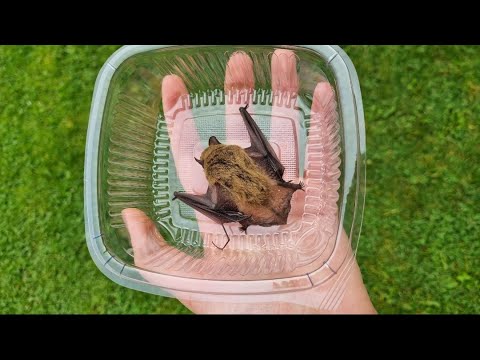
Finding a bat on the ground can be concerning, especially if it seems injured. Knowing how to help properly is crucial for its safety and yours.
Handling an Injured Bat
If you see an injured bat, do not touch it with bare hands. This avoids any risk of bites or transmission of disease. Use gloves and approach the bat calmly.
To relocate it, gently coax the bat into a plastic container. Ensure the container has ventilation holes for air, allowing the bat to breathe. If the bat is weak, cover it with a soft cloth for comfort and warmth. Place the container in a quiet, dark area away from children and pets.
Do not attempt to care for the bat yourself. Instead, contact a wildlife rehabilitator who can provide the right treatment. They have the expertise needed for injured bats and can offer next steps.
Temporary Containment Solutions
To keep the bat safe, find a suitable temporary home. A plastic container or a ventilated shoebox works well. Line the bottom with a soft cloth or paper towel for support.
Make sure the container is secure to prevent the bat from escaping. Cover it lightly with a lid or cloth, allowing some airflow.
Once contained, keep the bat in a quiet spot away from pets and people. Avoid handling it frequently, as this can stress the animal.
As soon as possible, reach out to a local wildlife rehabilitator for further assistance and care. It’s the best way to ensure the bat gets the help it needs.
Seeking Professional Assistance

Finding a bat on the ground can be concerning. It’s important to know how to get the right help. Here are some steps you can take for professional assistance.
Contacting a Wildlife Rehabilitator
If you find a bat, your first step should be to contact a wildlife rehabilitator. These professionals are trained to care for injured or sick wild animals. They have the experience needed to assess the condition of the bat.
You can often find a wildlife rehabilitator by searching online. Look for your local wildlife agency or a reputable organization. They usually have a list of licensed rehabilitators in your area.
When you call, be ready to provide details about where you found the bat and its condition. This information will help them determine the best course of action.
Remember: Do not attempt to care for the bat yourself unless guided by a professional.
Learning from Educational Resources
Educating yourself about bats can be very helpful. Many organizations offer online resources about bat behavior and rehabilitation. Websites for wildlife groups often have valuable information.
You can learn what to do and what to avoid when handling bats. This knowledge not only helps you but also contributes to bat conservation efforts. The more you understand, the better you can assist if you encounter a bat on the ground.
Consider looking for local workshops or seminars. These events can connect you with biologists and other wildlife experts. They can provide first-hand knowledge about the importance of bats in the ecosystem and how to coexist with them safely.
Understanding Bat Behavior and Conservation

Bats play an important role in our ecosystem, but you may wonder how to identify a healthy bat versus one that might need help. Additionally, supporting local bat populations can help maintain their numbers and overall health in the environment.
Recognizing Healthy vs. Sick Bats
When you spot a bat on the ground, first assess its condition. A healthy bat is alert and may move if approached. Look for signs like a strong grip when you gently touch its toes. In contrast, sick bats may exhibit unusual behavior, such as not moving or being unable to fly.
If you notice drooling, wet wings, or paralysis, it could indicate a problem. Baby bats are especially vulnerable and may need help if they are separated from their roost. Approach any bat cautiously, as they can carry diseases, so wear gloves if you must handle one. For sick or injured bats, contact local wildlife experts for guidance.
Supporting Local Bat Populations
You can contribute to bat conservation in several ways.
First, consider creating a bat-friendly yard. Provide natural roosting spots like tall trees or old buildings. Avoid using pesticides, as they harm insects that bats feed on.
You can also install bat houses in your area. These artificial roosts give bats a safe place to sleep and raise their young.
Participating in local conservation programs or volunteer opportunities helps educate others about bats, too.
Remember, protecting these creatures benefits the environment and helps maintain insect balance.


