
Bats are fascinating creatures that often go unnoticed in the night sky. If you’ve ever wondered, bats typically come out around dusk and are most active from twilight until dawn. This is when you might catch a glimpse of them soaring through the air, hunting for insects.

As the sun sets, these nocturnal animals begin to stir from their roosts. You may spot them fluttering around in search of food during the early evening hours. Their unique adaptations allow them to navigate in the dark, making them expert hunters throughout the night.
Understanding what time bats come out can enhance your outdoor experiences. Next time you find yourself outside as dusk approaches, keep an eye out for these amazing flying mammals. You might just be surprised by how many of them are out and about, playing their important role in nature.
Understanding Bats’ Nocturnal Behavior
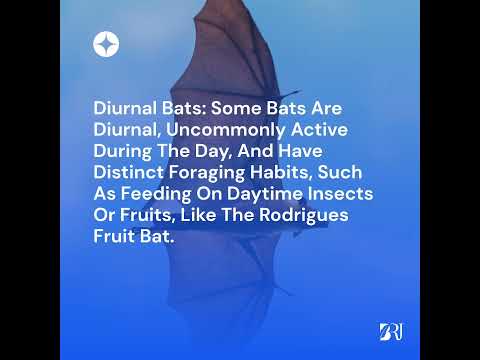
Bats are fascinating creatures that thrive in the darkness of night. Their unique adaptations allow them to hunt, socialize, and avoid predators under the cover of darkness. Let’s explore why they are active at night and how they navigate their surroundings.
Why Are Bats Active at Night?
Bats are primarily nocturnal, meaning they are active at night. This behavior helps them avoid daytime predators like hawks and owls. At night, they find it easier to locate food, mostly insects, that are also active during these hours.
Being active when other animals are resting allows bats to thrive in their environments. They often emerge around dusk, taking advantage of the cooler temperatures and reduced competition for food resources. This timing helps them maximize their chances of survival and finding enough to eat.
The Role of Echolocation
Echolocation is a crucial tool that bats use to navigate and hunt in the dark. They emit high-pitched sounds that bounce off objects in their surroundings. By listening to the returning echoes, bats can determine the size, distance, and even texture of objects, including their prey.
This ability allows bats to fly quickly and accurately, even in complete darkness. It is especially valuable when hunting insects, which can be hard to track. With echolocation, bats can avoid obstacles and catch food effectively while flying at high speeds.
Dusk to Dawn: Peak Bat Activity Times
Bats tend to be most active from dusk to dawn. Typically, they leave their roosts shortly after sunset. They will gather in large numbers, flying around in search of insects and socializing with other bats.
As the night progresses, their activity may vary. Some bats might return to their roosts after a couple of hours, while others may continue to hunt until dawn. Understanding when bats are most active can enhance your chances of spotting these amazing creatures in action.
Bat Species and Their Habitats

Bats are fascinating creatures with a diverse range of species and habitats. Understanding the different types of bats and where they live enhances your appreciation for these animals.
Diversity of Bat Species
There are over 1,400 species of bats worldwide. In the United States, you might encounter species like the little brown bat and the Mexican free-tailed bat. Each species has adapted to specific environments and food sources.
For example, the little brown bat is commonly found in forests, while the Mexican free-tailed bat often roosts in large colonies under bridges or in caves. This diversity helps maintain healthy ecosystems by controlling insect populations and pollinating plants.
Common Roosting Places: Caves and Trees
Bats choose various roosts for safety and comfort. Caves are popular as they provide a dark, cool space for large colonies. One famous site is Bracken Cave, home to millions of bats in Texas.
Trees also serve as excellent roosting spots, especially for species like the little brown bat. They often roost in tree hollows or under loose bark. These roosts protect them from predators and harsh weather while giving them a place to rest during the day.
The Importance of Preserving Bat Habitats
Keeping bat habitats safe is crucial for their survival and the health of our ecosystems. Bats play a key role in pest control by eating insects.
Preserving their habitats, whether caves or forests, helps maintain the balance of nature. You can help by supporting conservation efforts and being mindful of the impacts of development. Healthy bat populations contribute to thriving ecosystems for everyone.
Bat Behavior and Life Cycle

Bats are fascinating creatures with unique behaviors and life cycles. They have specific patterns for feeding, mating, and survival that keep them thriving in their environments.
Feeding and Foraging Patterns
Bats mainly feed on insects, fruits, nectar, and sometimes small vertebrates. Most bats are nocturnal, and they often emerge around dusk, usually around 6 PM or a bit later. This timing helps them avoid predators and find food efficiently.
During the night, bats use echolocation to navigate and hunt for their meals. This skill allows them to detect obstacles and locate prey in complete darkness.
They may forage alone or in groups depending on the species. Some bats can travel long distances, sometimes up to 60 miles, in search of food.
Mating Season and the Birth of Young Bats
Bats typically mate in the fall or spring, depending on the species. After mating, female bats store the sperm until conditions are right for fertilization. This allows them to give birth during warmer months when food is plentiful.
Pregnancy lasts about 6 to 10 weeks, and each female usually gives birth to one pup, though some species may have twins.
Pups are born hairless and dependent on their mothers. Within just a few weeks, they grow fur and begin to learn to fly. During this time, the mother often leaves them in a safe roost while she forages.
Hibernation and Survival Strategies
Many bats hibernate during the colder months. They seek out hibernation sites like caves or abandoned buildings where temperatures stay stable.
While hibernating, their body temperature drops, and their metabolism slows down to conserve energy. This process helps them survive when food is scarce.
An issue facing hibernating bats is white-nose syndrome, a fungal disease that affects their ability to hibernate. It can lead to high mortality rates in affected populations.
To survive, bats must find suitable hibernation sites and avoid disturbances that could disrupt their rest during winter months.
Bats and Human Interaction

Bats play a significant role in the ecosystem, but their presence can raise concerns for humans. Understanding how to manage these interactions is important for your safety and the well-being of bats.
Rabies and Health Concerns
While the risk of rabies in bats is low, it is important to be cautious. Bats can carry rabies, a serious disease that can be fatal.
It’s essential to avoid direct contact with wild bats, especially if one appears sick or is found on the ground. If you or a pet is bitten, seek medical attention promptly.
Signs of rabies in bats include unusual behavior, such as flying during the day or being overly aggressive. If you encounter a bat, observe it from a distance and do not attempt to handle it. Remember, rabies is spread through bites or saliva, so avoid any potential exposure.
Bat Prevention and Wildlife Control
Taking proactive steps can help keep bats away from your home. Start by sealing any openings that could serve as entry points, like cracks or gaps in doors and windows. Ensure vents and chimneys are secure.
You can also use sound devices that deter bats or install bright lights in areas where bats are likely to roost. If you find bats in your home, contact a professional for safe removal.
In addition to prevention, it’s helpful to educate yourself about local wildlife laws. Some species, like the little brown bat (Myotis lucifugus), are protected. Properly addressing bat issues can prevent complications with local regulations.
Benefits of Bats: Insect Control and Ecosystem Contributions
Bats also benefit ecosystems by aiding in pollination and seed dispersal. This helps plants thrive, which in turn benefits other wildlife, including raccoons, snakes, and hawks, that rely on these plants for food. By respecting bat populations, you contribute to a healthy ecosystem.


