
Bats are fascinating creatures that belong to the order Chiroptera. If you’ve ever wondered whether you can tell if a bat is male or female, you’re not alone. You can usually tell by looking at specific physical traits and behaviors, particularly during mating season. Male and female bats show some differences that can be helpful for identification.
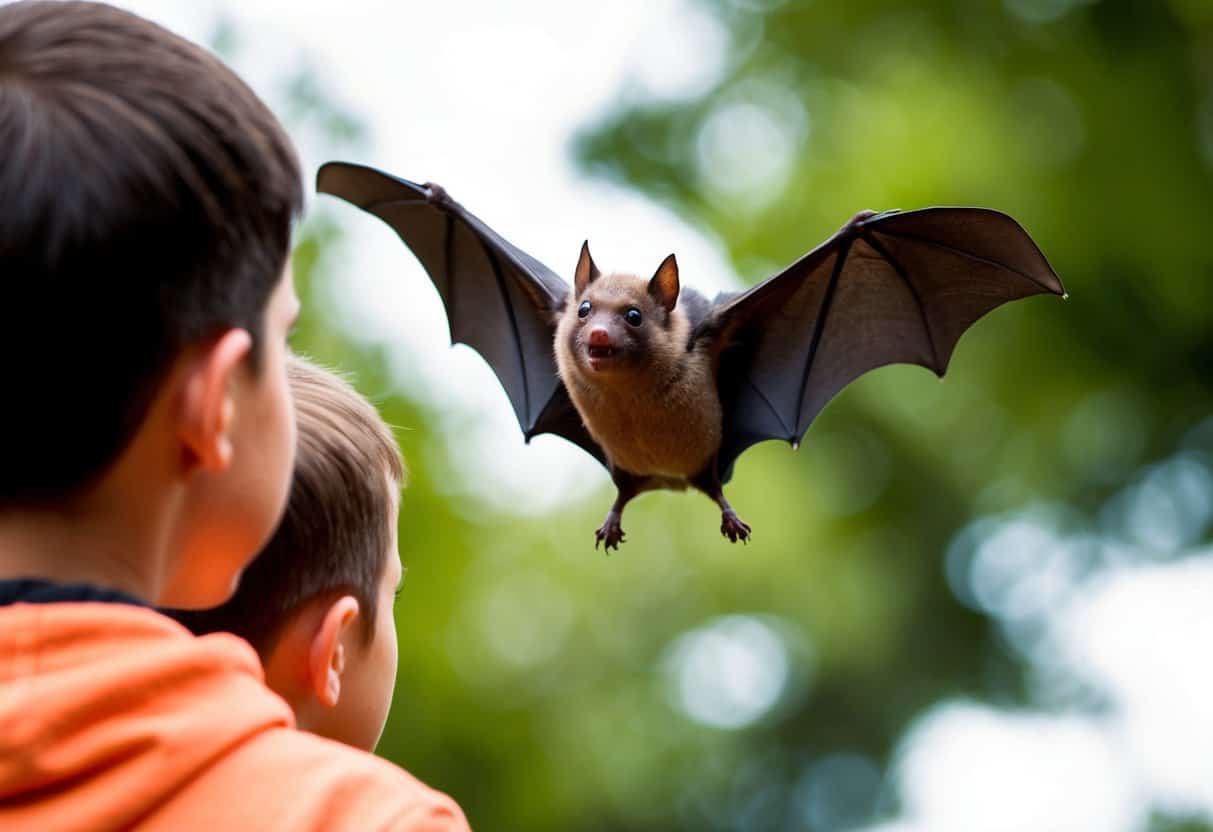
For many bat species, males and females live separately until it’s time to mate. Once females are pregnant, they often gather in groups called maternity colonies. This is where they give birth and care for their young, which adds another layer of interest to observing bat behavior.
If you pay attention to the size and certain features, spotting the differences might be easier than you think. Throughout this article, you’ll learn more about the characteristics that set male and female bats apart, offering you a closer look at these remarkable winged mammals.
Basic Anatomy and Physiology of Bats
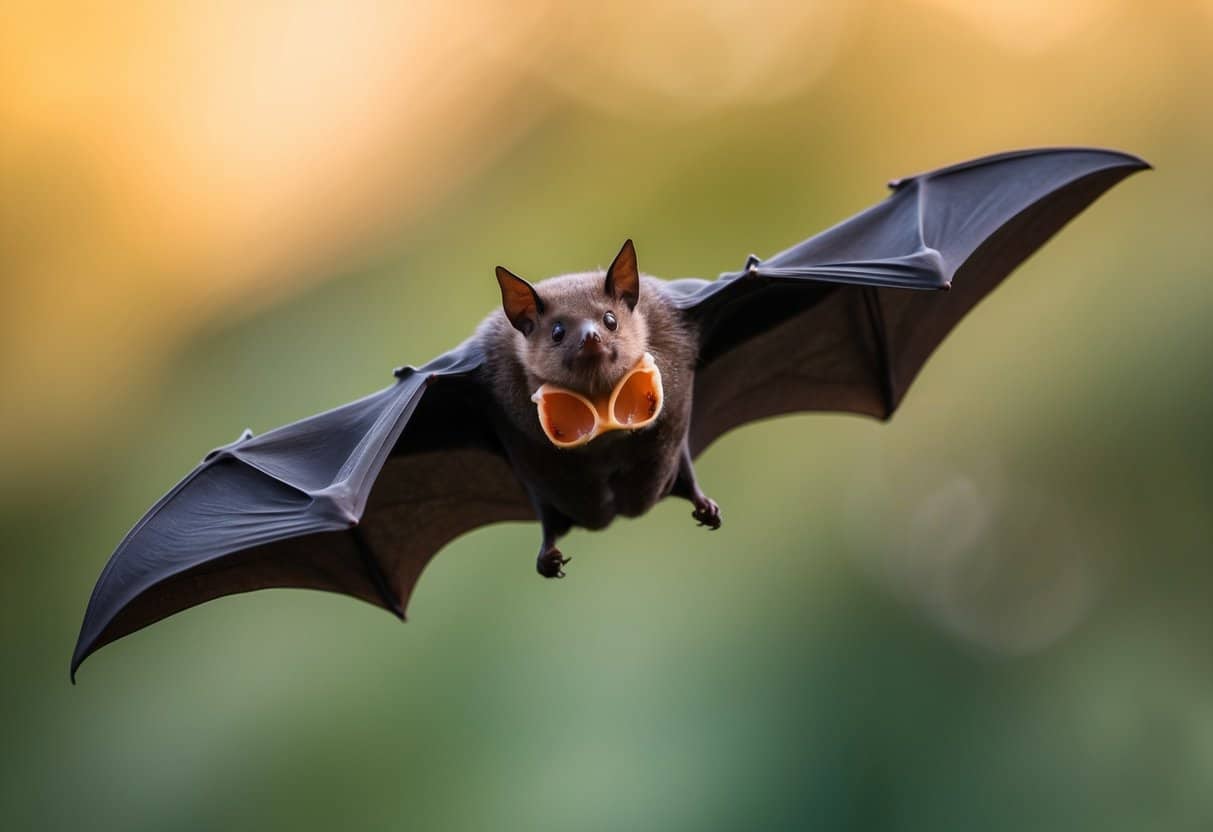
Understanding the basic anatomy and physiology of bats gives you insight into how to tell the difference between male and female bats. Both gender types show specific physical traits and behaviors that can help in identification.
Distinguishing Characteristics of Male and Female Bats
One clear way to differentiate male and female bats is by looking at their reproductive anatomy. Male bats have a pair of testicles that are usually visible during mating season. In contrast, female bats possess mammary glands, which are evident when they are nurturing their young.
Size can also be an indicator. Generally, female bats are larger than males in many species. The tail membrane, or patagium, might show differences as well. Some species have females that use this membrane more during flight, especially when carrying pups.
Observing behavior is key too. Males are often more vocal and may engage in display behaviors during mating season. Watching their interactions can provide clues to their gender.
The Role of Echolocation in Sex Identification
Echolocation plays a vital part in how bats navigate and find food. While it may not directly help in distinguishing between male and female bats, it offers insights into their behavior.
Male and female bats often emit different echolocation calls. Males may produce higher-frequency sounds, especially during mating displays. This helps them attract females. Meanwhile, females may use lower frequencies while foraging or caring for their young.
By listening closely, you can learn to identify these differences. Additionally, echolocation can indicate social roles within a group, guiding you when observing flock behaviors.
Reproductive Behavior
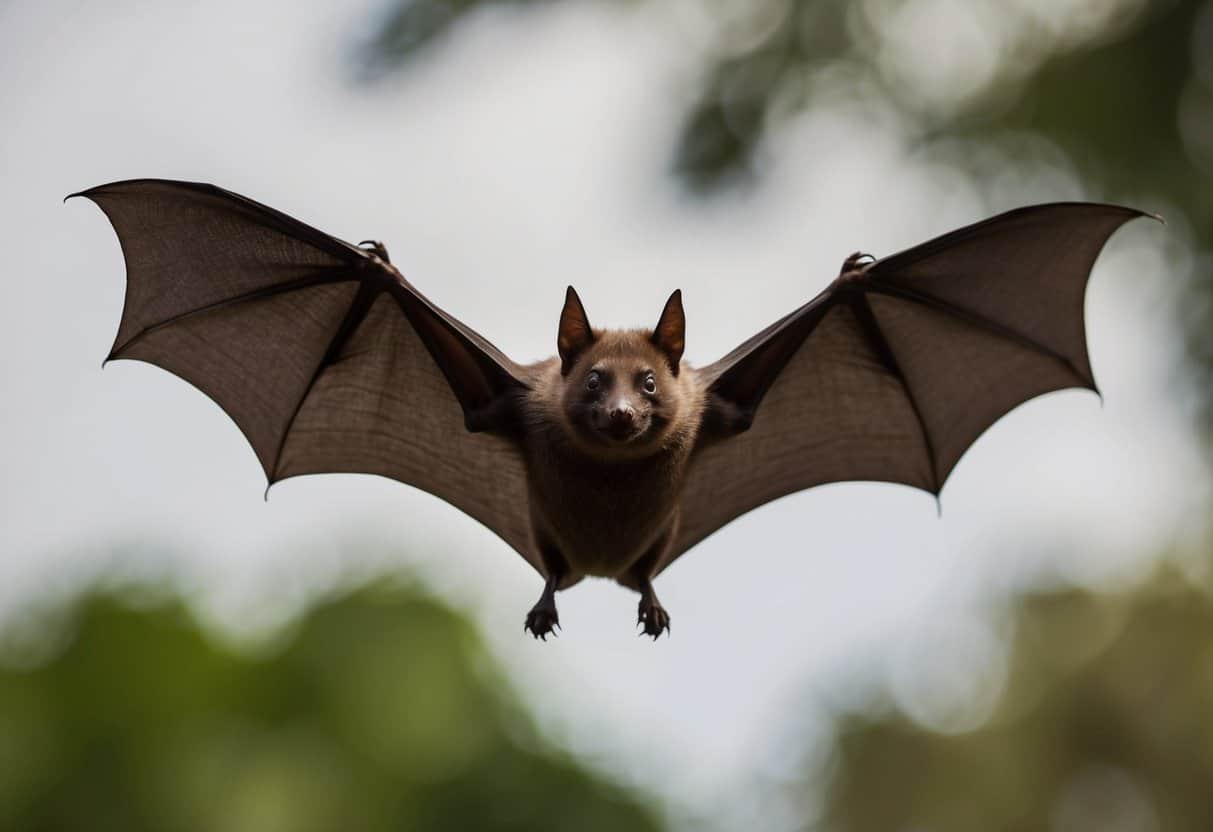
Bats have interesting ways of reproducing that involve specific actions and group behaviors. Understanding these can help you appreciate their life cycle.
Mating Rituals and Seasonality
During the breeding season, which typically occurs in spring or early summer, male bats engage in elaborate mating rituals. These behaviors can include vocalizations and physical displays to attract females.
Male bats often use echolocation calls and social calls to convey their fitness and readiness to mates. If you’re observing this, you might notice the males performing in groups, showcasing their strength and health.
Female bats usually choose their mates based on these displays, ensuring they pick strong partners. After mating, females store sperm until they are ready to fertilize their eggs, allowing for better timing in their reproductive cycle.
Formation of Maternity Colonies
Once female bats become pregnant, they often join maternity colonies. These groups can consist of hundreds of expectant mothers providing safety and warmth. You might find these colonies in cozy spots like caves or tree hollows.
Maternity colonies offer a chance for females to care for their young together. It’s fascinating to see how they support each other. After giving birth, each mother nurses her pup while also thriving in a close community, increasing the pups’ chances of survival.
The formation of these colonies highlights the social nature of bats during breeding.
Lifecycle and Development
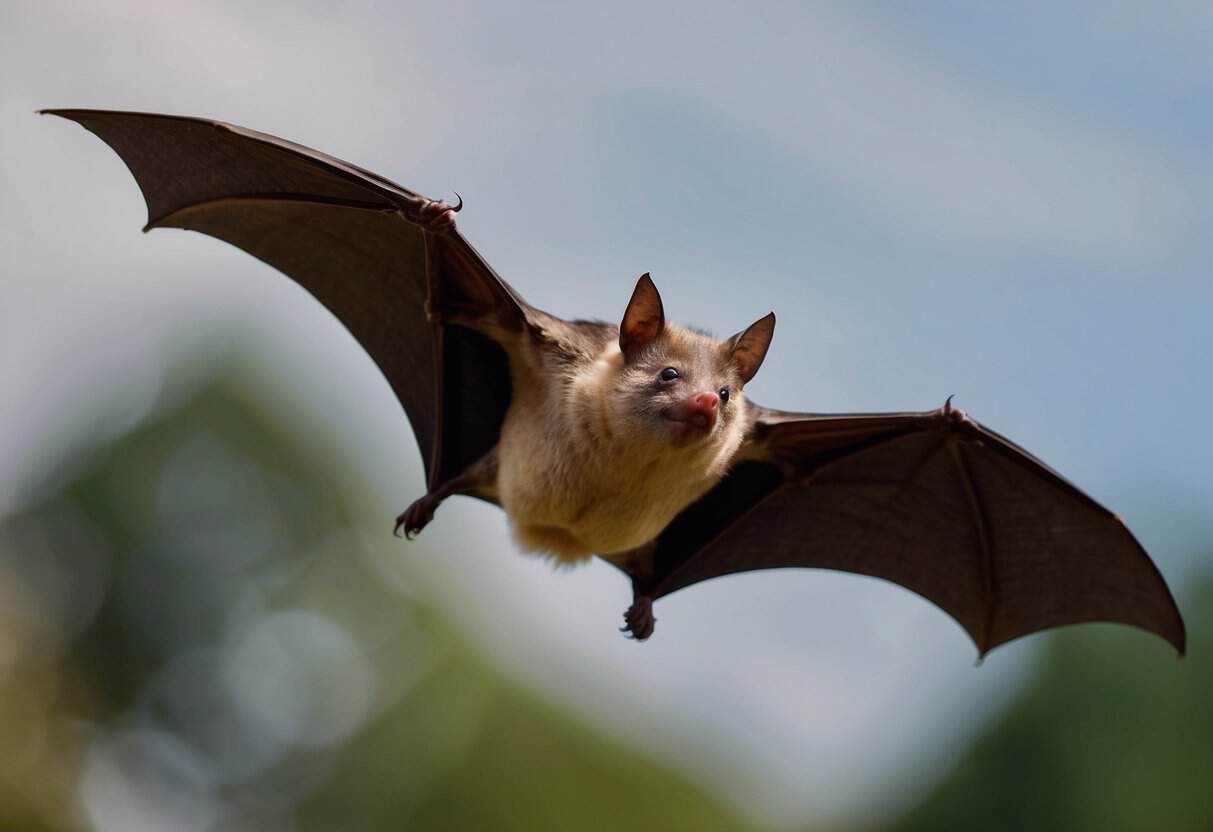
Bats go through a fascinating lifecycle that helps them develop from tiny young bats into adults. Understanding this process gives you a clear picture of how these animals grow and mature in their environment.
From Birth to Adulthood
Female bats usually give birth to one young bat at a time, though they can have more than one litter each year. After they are born, young bats rely heavily on their mothers for food and protection.
During the first few weeks, the female bat nurses her young. This is crucial for their growth. As they age, the young bats start to learn how to fly and hunt on their own.
By around 6 to 9 months, young bats reach sexual maturity. Male bats may begin to seek mates while females prepare for the next breeding season. The development of both males and females is vital for maintaining bat populations.
Species-Specific Differences

You may find that different bat species have unique traits that help you distinguish males from females. Some species show more noticeable differences, while others can be harder to tell apart.
Sexual Dimorphism in Red and Big Brown Bats
Red Bats have some differences between genders. Males usually have slightly larger bodies and longer fur, making them a bit more robust than females. These features help them during mating season when they compete for female attention.
Big Brown Bats, on the other hand, display minimal sexual dimorphism. Males and females look quite similar, but males might be a little larger overall. In this species, behaviors during mating season can give clues, as males often exhibit more aggressive posturing than females.
Knowing these specifics can help you when you try to identify gender in bats like the red bat and big brown bat.


