
Bats are often seen as mysterious creatures, and many people wonder about the risks they pose to public health. Zoonotic diseases are viruses that can jump from animals to humans. Bats can carry these diseases, especially zoonotic diseases. Understanding how bats are linked to these diseases is important for your safety and knowledge about wildlife.
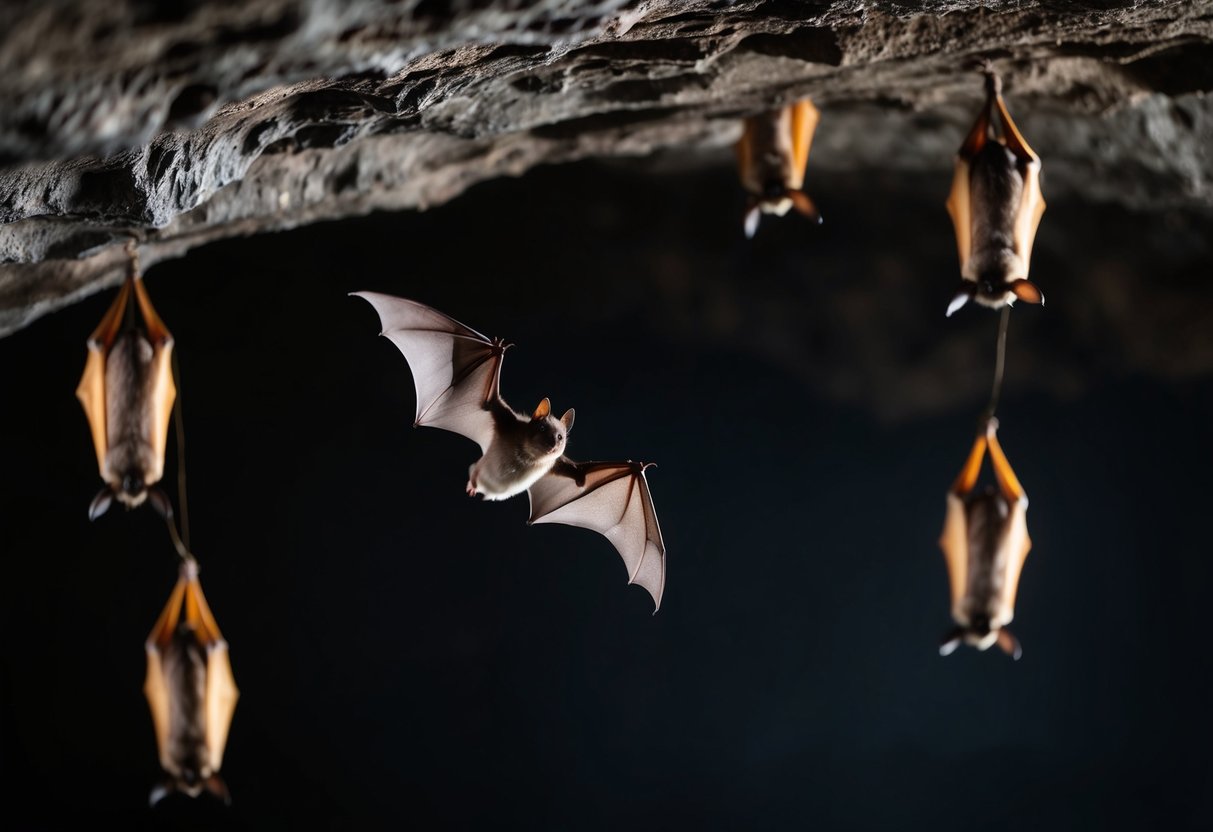
These fascinating mammals host a variety of viruses, some of which can be harmful to humans. For instance, researchers have found that bats can be carriers of viruses like rabies and various strains of coronaviruses. By learning more about bats and the diseases they carry, you can make informed decisions to protect yourself and your community.
As you explore this topic further, you’ll discover more about the unique characteristics of bats and how they navigate health risks. With this knowledge, you’ll appreciate the importance of studying these animals while also remaining aware of potential health concerns.
Bats as Reservoirs of Diseases

Bats play a significant role in the ecosystem, but they also harbor various viruses and pathogens. Understanding how their unique immune systems work and their diversity as a species can help explain why they are often seen as reservoirs of diseases.
Understanding Bat Immunity
Bats possess a unique immune system that allows them to carry a variety of viral pathogens without becoming ill. Their ability to tolerate these viruses is linked to several factors.
-
Specialized Immune Responses: Bats have evolved immune responses that manage viral infections effectively. They can control inflammation better than many other animals.
-
Viral Persistence: The bat immune system can handle long-term viral infections, meaning viruses can exist without causing harm.
This adaptation is crucial, as it means they can spread these viruses without showing signs of disease themselves. This characteristic makes them important reservoirs for various viruses.
Diverse Bat Species and Viral Richness
With around 1,240 recognized bat species, their diversity contributes to an array of viral pathogens. Each species can host different viruses, which can sometimes lead to cross-species transmission.
-
Wide Range of Viruses: Bats can carry many viruses, including coronaviruses and lyssaviruses.
-
Ecological Role: Their varied habitats and diets allow them to interact with different ecosystems, further increasing their exposure to pathogens.
This rich diversity in bat species is a key reason why they are often seen as breeding grounds for emerging diseases. Understanding this can help in implementing better health measures for both animals and humans.
Notable Viruses and Outbreaks Linked to Bats
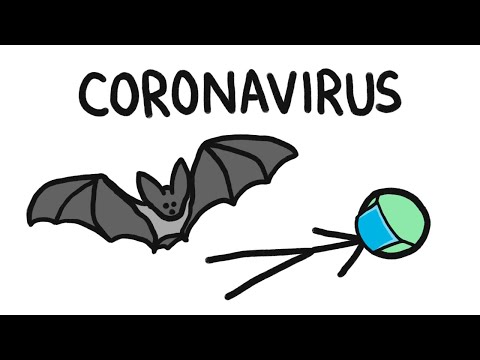
Bats are known to carry several viruses that can cause diseases in humans. Understanding these notable viruses helps you recognize the potential risks associated with bat populations. Here are some key viruses linked to bats.
Coronaviruses: SARS, MERS, and COVID-19
Coronaviruses are a significant group of viruses that can lead to severe respiratory issues. Bats are considered natural reservoirs for several coronaviruses, including those responsible for SARS (Severe Acute Respiratory Syndrome) and MERS (Middle East Respiratory Syndrome).
The SARS outbreak in 2002-2003 originated in bats and spread to humans via civet cats. MERS, identified in 2012, also traced back to bats, passing through camels before infecting people.
More recently, the COVID-19 pandemic brought attention to a novel coronavirus, likely originating from bats. This virus evolved and spread rapidly, leading to global health crises. These cases highlight the critical role bats play in the emergence of infectious diseases.
Other Notable Diseases: Rabies and Ebola
Besides coronaviruses, bats are known carriers of several other serious viruses. Rabies is one of the most recognized diseases linked to bats. It is almost always fatal once symptoms appear, making prevention crucial. Bats can transmit rabies to humans through bites or scratches.
Another serious virus associated with bats is the Ebola virus. Bats are believed to play a role in the spread of this virus, which causes severe fever and often leads to outbreaks in humans. Areas in Africa have seen outbreaks related to bat populations.
These diseases illustrate the importance of monitoring bat health to prevent the spread of emerging infectious diseases. Awareness and research can safeguard public health in communities near bat habitats.
Zoonotic Disease Transmission Mechanisms
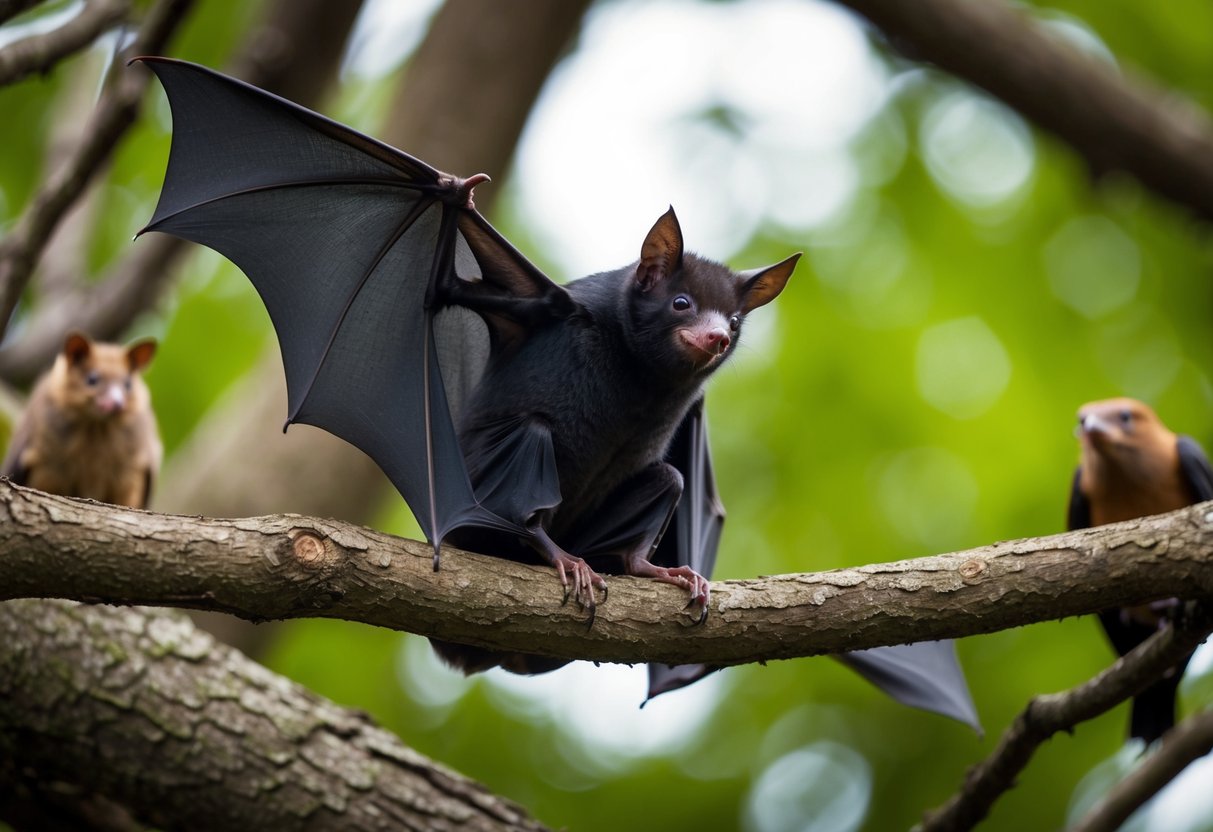
Understanding how diseases move from animals to humans is key in addressing public health concerns. Bats are significant reservoirs for various zoonotic viruses. These viruses can be transmitted through different mechanisms that often involve human interaction or environmental changes.
Spillover Events and Human Interaction
Spillover events happen when a zoonotic virus jumps from bats to humans. This can occur during hunting, handling, or consuming bat products. When you come into close contact with bats or areas they inhabit, you increase the risk of infection.
Activities like camping or farming near bat colonies can enhance this exposure. For instance, if a bat is sick and you touch it or are near its droppings, infection can spread. Such zoonotic infections may lead to serious illnesses, emphasizing the importance of maintaining distance from wild animals.
Wildlife Trade and Bushmeat
The wildlife trade can also facilitate the transmission of zoonotic diseases. Bats are sometimes hunted for bushmeat, providing another avenue for infections to spill over to humans. When you consume wild animals, including bats, you risk exposure to their pathogens.
Handling or processing these animals without proper precautions increases the risk even more. Proper cooking can kill some viruses, but the initial contact poses significant public health risks. By reducing bushmeat consumption and illegal wildlife trade, the chance of disease transmission can be minimized.
Conservation and Public Health Implications
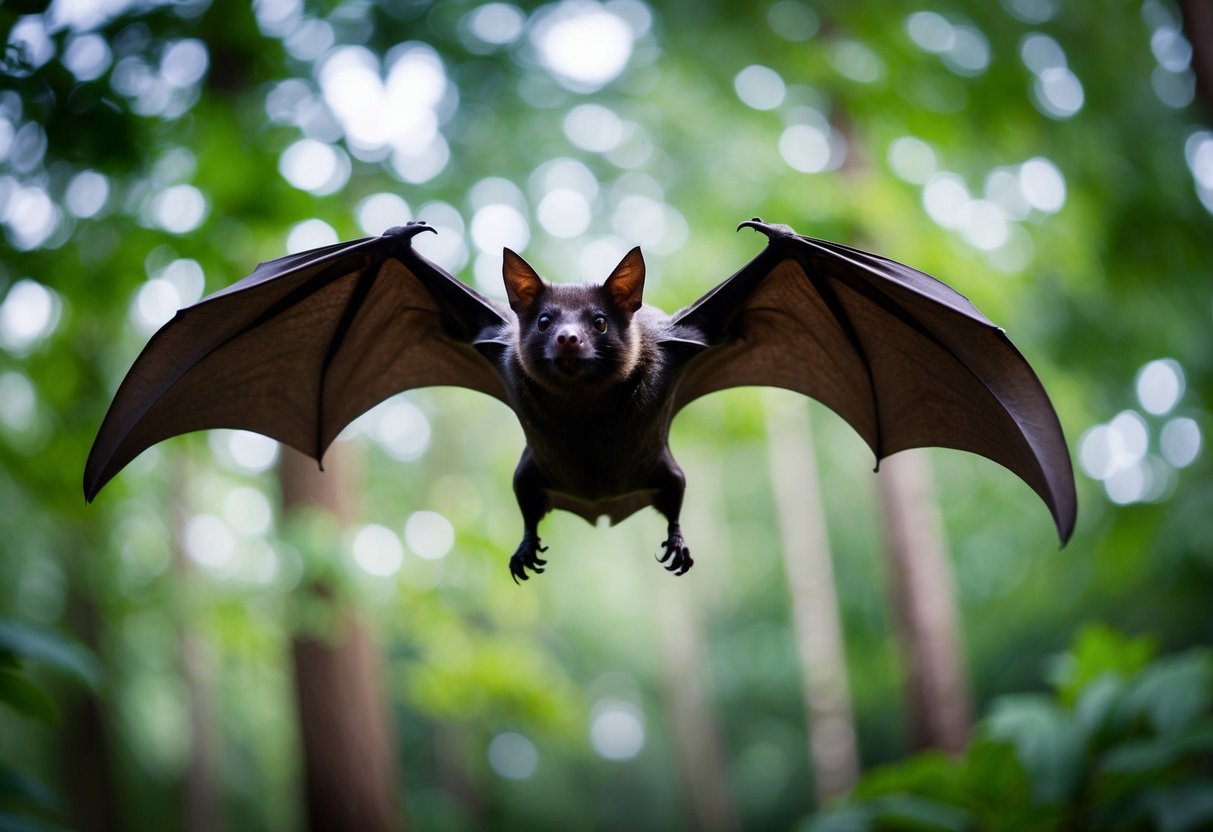
Protecting bat habitats is crucial for both ecological balance and public health. Understanding the relationship between bats, diseases, and their role in the ecosystem can help improve both conservation efforts and health outcomes. Here are two important areas to focus on.
Bat Habitat Protection
Bats play a vital role in your local ecosystem by controlling insect populations and pollinating plants. Conserving their habitats is essential for maintaining these benefits. When you protect bat habitats, you also lessen the chances of disease spillover to humans.
Initiatives by groups like the EcoHealth Alliance aim to create safe spaces for bats. This includes preserving forests and fields where bats roost and feed. When you support these efforts, you contribute to a healthier ecosystem, which indirectly supports your own public health.
Fear, Misunderstanding, and Coexisting
Many people fear bats due to misconceptions about diseases. However, in reality, most bats are harmless and beneficial. They help to control pests that affect crops.
Educating yourself and others about bats can reduce fear and promote coexistence.
By learning the facts, you can help spread awareness. Consider community workshops to dispel myths surrounding bats.
Working together fosters a greater understanding of bats’ ecological role and helps create a safe environment for both bats and humans. Recognizing shared space is key to reducing conflict and supporting public health.


