
Bats are often misunderstood creatures that play a vital role in our ecosystem. While they are nocturnal mammals that may seem scary at first, bats can actually be beneficial for pest control and pollination. These animals help keep insect populations down and can assist in the pollination of certain plants, making your garden thrive.

However, it’s important to know that while bats can be helpful, they should not be living inside your home. They may carry diseases and create a mess. Understanding how to manage bats safely can help you enjoy their presence without risking your health or property.
As you read on, you’ll discover the positive aspects of having bats nearby, as well as tips for keeping them out of your house while still reaping their benefits in your yard.
Benefits of Having Bats Near Your Home

Bats can offer several advantages if they live near your home. They help control pests, assist in pollination, and their droppings can be excellent fertilizer. Understanding these benefits can help you appreciate the role bats play in the ecosystem.
Natural Pest Control
Bats are fantastic for natural pest control. They primarily feed on insects, including mosquitoes and moths. A single bat can consume up to 1,000 insects in just one night. This means fewer mosquitoes buzzing around your yard, allowing you to enjoy evenings outside without annoyance.
By keeping insect populations in check, bats can save you the trouble of dealing with chemical pesticides. This is great news for the environment, as it promotes a healthier ecosystem. Many farmers benefit from having bat populations nearby since their appetite for harmful pests can protect crops.
Pollination and Seed Dispersal
Some bats play an important role in pollination and seed dispersal. These bats are known as nectarivores. They visit flowers to feed on nectar, and as they do, they help pollinate plants.
This activity is crucial for many crops, including fruits like bananas and avocados. By fostering bat populations, you are supporting your garden’s health and productivity. Bats also help in seed dispersal, which promotes forest regeneration and biodiversity.
When you have bats around, you can enjoy the benefits of a thriving ecosystem. This creates a lively environment in your yard and contributes to a healthier planet.
Guano as Fertilizer
Bat guano is considered one of nature’s best fertilizers. It is rich in nitrogen, phosphorus, and potassium, making it ideal for enriching soil. When you add bat guano to your garden, it can help your plants grow healthier and stronger.
Farmers have used bat droppings for centuries as a natural fertilizer. Unlike chemical fertilizers, guano improves soil structure and promotes healthy microbial activity. This means your garden will benefit from sustainable practices, enhancing your crops without relying on harmful chemicals.
By encouraging bats to roost nearby, you gain a natural fertilization method for your plants and crops. This can lead to more bountiful harvests and a greener garden space.
Potential Risks and Health Concerns

While bats can be beneficial for controlling insects, they also pose certain risks. Understanding these potential health concerns can help you make informed decisions about having bats around your home.
Disease Transmission
Bats are known carriers of several diseases. The most notable among these is rabies, which can be transmitted through bites or scratches. Although most bats do not have rabies, it’s wise to treat any encounters with them as potentially dangerous. If a bat is found in your living space, avoid direct contact and contact a wildlife professional for safe removal. Taking precautions can help protect you and your loved ones from harmful diseases.
Histoplasmosis from Bat Guano
Bat droppings, commonly known as guano, can lead to health issues. In particular, guano can contaminate indoor air and soil. When dried guano is disturbed, it can release spores that cause histoplasmosis, a lung infection. Symptoms may include fever, cough, and fatigue. To minimize this risk, it’s important to clean up any guano safely, using protective gear and ensuring proper ventilation. If you’re unsure about handling it, consider hiring a professional.
Rabies Considerations
Rabies is a serious concern when dealing with bats. Although it’s rare for bats to transmit rabies, the risks are significant enough to warrant caution. If you suspect a bat has bitten you or your pet, seek medical attention immediately. Vaccination can be effective if administered promptly. Make sure your pets are up-to-date on their rabies vaccinations, especially if your area has a high population of bats. Educating yourself about these risks can help keep both you and your pets safe.
Preventing and Managing Bat Infestations

To keep your home safe and bat-free, you need to understand how bats behave and what signs to look for. Taking proactive measures can help prevent bats from roosting in your space and guide you on what to do if they do invade.
Understanding Bat Behavior
Bats are known for their nocturnal habits and social structure. They often roost in colonies, preferring dark, warm spaces like attics or buildings with gaps and holes. Understanding this behavior can help you identify areas where they might enter your home.
Bats typically look for entry points that are less noticeable. These can be as small as a quarter. Knowing where bats like to roost allows you to target those areas during inspections and preventative measures.
Inspecting for Roosting Signs
Regular inspections of your property are crucial. Look for signs of bat activity, such as droppings, or guano, which can accumulate near entry points or roosting areas. You might also notice dark stains on the exterior from their urine.
Check around your attic and other potential hiding spots for any gaps or holes. If you find evidence of a colony, you may need to take further action. It’s essential to act quickly to minimize damage and ensure a safe environment.
Bat-Proofing Your Home
To prevent bats from entering, you should seal any holes or gaps in your home. Use caulk or steel wool to fill small openings. For larger gaps, install mesh or other sturdy materials.
Consider adding a one-way bat valve to allow bats to exit but not return. Placing bat houses nearby can attract bats away from your home and provide them a safe space.
Regularly inspect your home for new entry points. Keeping your property well-maintained can significantly reduce the risk of a bat infestation.
Professional Bat Removal
If you discover a bat infestation, it’s best to consult with a pest control professional. These experts know the safest and most effective methods for evicting bats without harming them.
A professional will assess the situation, identify the colony size, and determine the best removal strategy. They can also help with bat-proofing measures, ensuring your home is protected from future invasions.
Using professionals ensures that you comply with local wildlife laws, as some species may be protected. Quick action can help prevent costly damage and protect your home from becoming a long-term roost for bats.
Creating a Bat-Friendly Environment
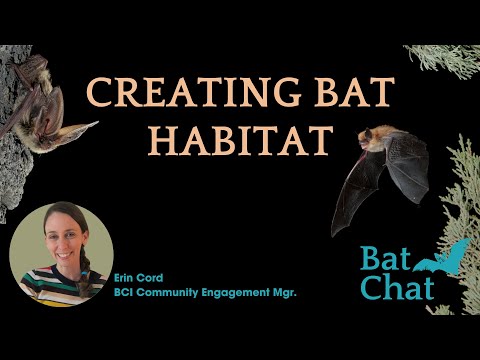
Creating a space that welcomes bats can help them thrive while benefiting your garden. You can do this by installing bat houses and supporting conservation efforts for local bat species.
Installing Bat Houses
To attract bats, consider installing a bat house. These structures provide a safe and cozy living space for bats, much like birdhouses do for birds. Make sure the bat house is located in a warm area that gets plenty of sunlight.
- Placement: Position the bat house at least 10–15 feet off the ground. A south or east-facing location is perfect.
- Materials: Use untreated wood for the house. This option is safe for bats and will withstand the elements.
- Cleanliness: Keep the area around the bat house clean. Remove debris to help encourage bats to settle in.
By providing a suitable bat house, you are giving these important creatures a safe place to roost, which can aid in the growth of bat populations in your area.
Supporting Local Bat Conservation
Supporting local bat conservation efforts is critical for maintaining healthy bat populations. Many bat species are endangered and need your help.
- Education: Learn about the bat species native to your area. Understanding their habits and needs will guide you in how to best support them.
- Volunteer: Join local organizations that focus on conserving bat habitats. You can participate in activities such as monitoring bat populations or educating neighbors about the importance of bats.
- Avoid Chemicals: Reduce the use of pesticides in your garden. Bats help control pests, and keeping the environment chemical-free supports their health.
Taking these steps shows your commitment to creating a bat-friendly environment while helping conserve endangered bat species in your area.


