
Bats are fascinating creatures that play a vital role in our ecosystem. If you’ve ever wondered about these unique mammals, you’re not alone. The scientific name for bats is Chiroptera, which means “hand wing” in Greek. This name reflects their remarkable ability to fly, as their wings are structured like elongated hands with skin stretched between their fingers.
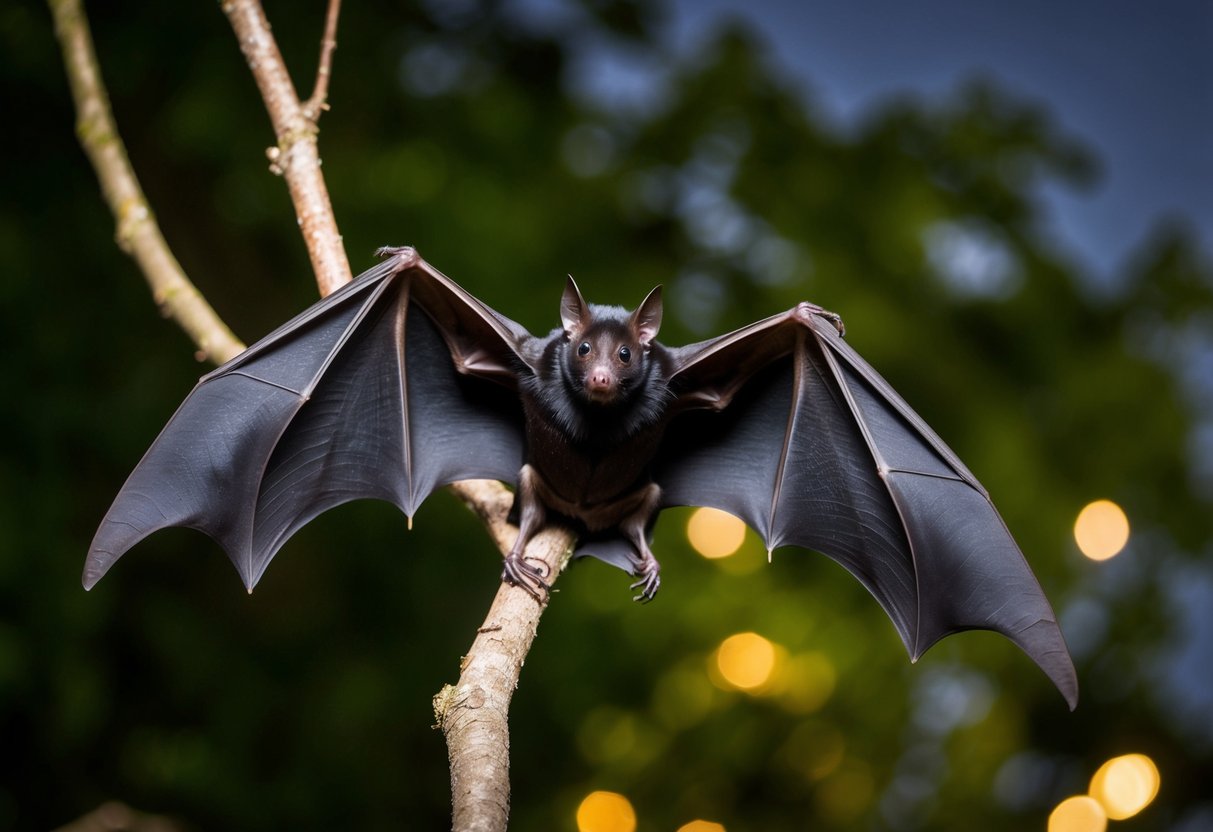
Exploring the world of bats can reveal much about their behavior and habits. They are not just flying mammals; some species help with pollination and seed dispersal.
Learning about Chiroptera opens up a host of interesting facts about their diversity, the environments they thrive in, and their crucial role in maintaining natural balance.
By understanding the scientific classification of bats, you gain insight into their importance. As you read more about Chiroptera, you’ll discover why these creatures deserve your attention and appreciation.
Taxonomy and Species Classification

Bats belong to the order Chiroptera, which includes many fascinating species. Understanding their classification helps identify the diversity and characteristics of these unique flying mammals.
Understanding Chiroptera
The order Chiroptera is divided into two main suborders: Megachiroptera and Microchiroptera.
Megachiroptera includes larger bats, like the fruit bats of the genus Pteropus. These bats primarily feed on fruits and nectar.
Microchiroptera consists of smaller bats that often hunt insects using echolocation. This ability helps them navigate and find food in the dark. Each suborder holds importance in the ecosystem, from seed dispersal to pest control.
Diversity of Bat Species
There are over 1,400 species of bats, making them the second largest order of placental mammals. The diversity is evident in families such as Vespertilionidae, which includes many common bat species, and Phyllostomidae, known for New World leaf-nosed bats.
Bats can be found in various habitats worldwide, from tropical rainforests to deserts. This adaptations allow them to thrive in different environments.
Some notable species include Vampyrum spectrum, larger bats that are known for their unique feeding habits and adaptations. Each species plays a vital role in its ecosystem, highlighting the importance of conserving these incredible animals.
Physiology and Adaptations
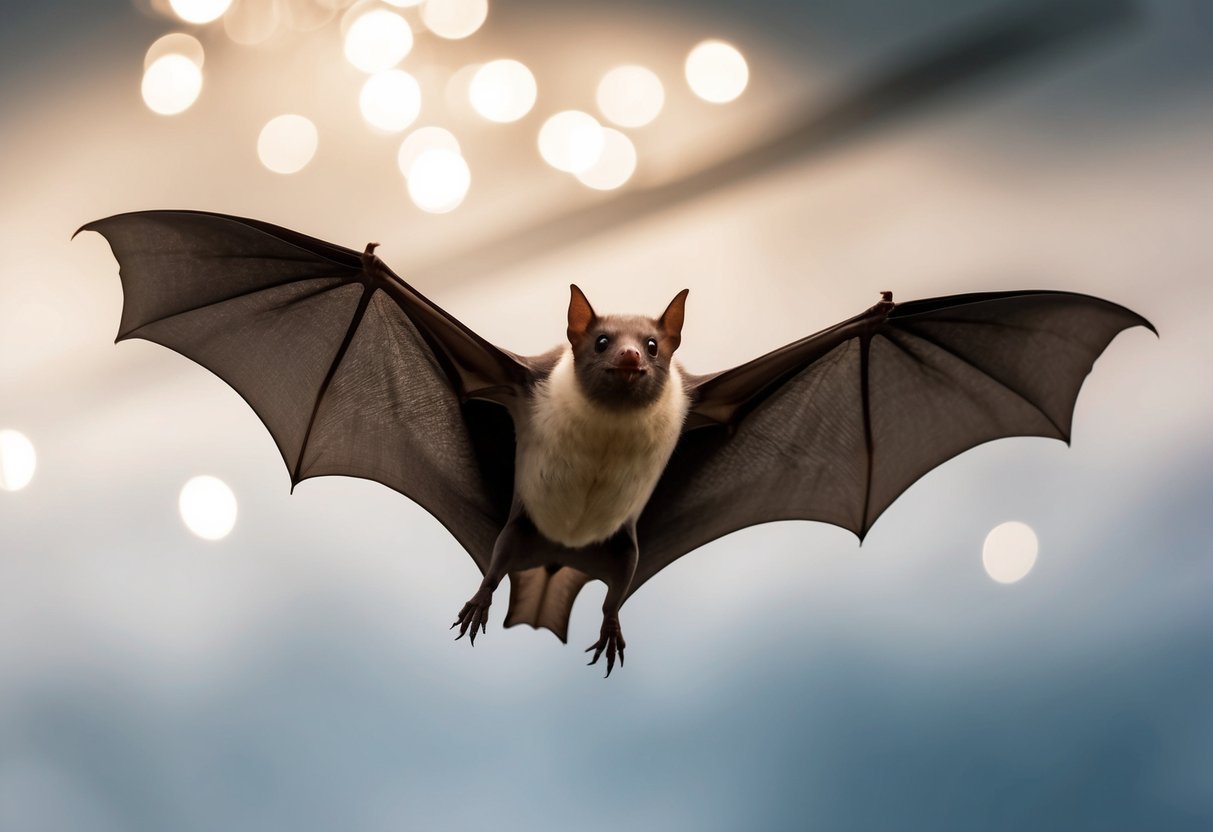
Bats have unique physical features and behaviors that allow them to thrive in various environments. Their adaptations for flight, navigation, and feeding are vital for their survival. Understanding these characteristics helps you appreciate how diverse and interesting bats really are.
Wing Structure and Flight
Bats are the only mammals capable of true flight. Their wings are made of a thin membrane called the patagium, stretched between elongated fingers. This wing structure allows for greater maneuverability compared to birds.
Flying foxes, a type of bat, can have wingspans reaching up to 5.7 feet, making them one of the largest bat species. In contrast, the tiny Kitti’s hog-nosed bat has a wingspan of just about 6 inches.
Their lightweight skeletons contribute to their abilities, enabling them to fly efficiently, even at night.
Echolocation Abilities
Bats use echolocation to navigate in the dark. They emit high-frequency sounds that bounce off objects and return to them. This helps them determine the distance and shape of obstacles.
The process is quick and precise, which is essential for hunting insects or avoiding dangers.
Some species, like vampire bats, have specialized echolocation skills to locate prey, even in complex environments. This unique ability makes nocturnal living much easier and safer for bats.
Diet and Feeding Habits
Bats have diverse diets based on their species. While some, like vampire bats, are carnivorous and feed on blood, many are insectivores and thrive on a diet of insects. Others are frugivores, eating fruits, and nectarivores, which primarily consume nectar from flowers.
These feeding habits play a crucial role in ecosystems, as bats help control insect populations and pollinate plants.
Eating a wide variety of foods helps bats adapt to their environments, ensuring they can find sustenance no matter where they live.
Bat Ecology and Behavior
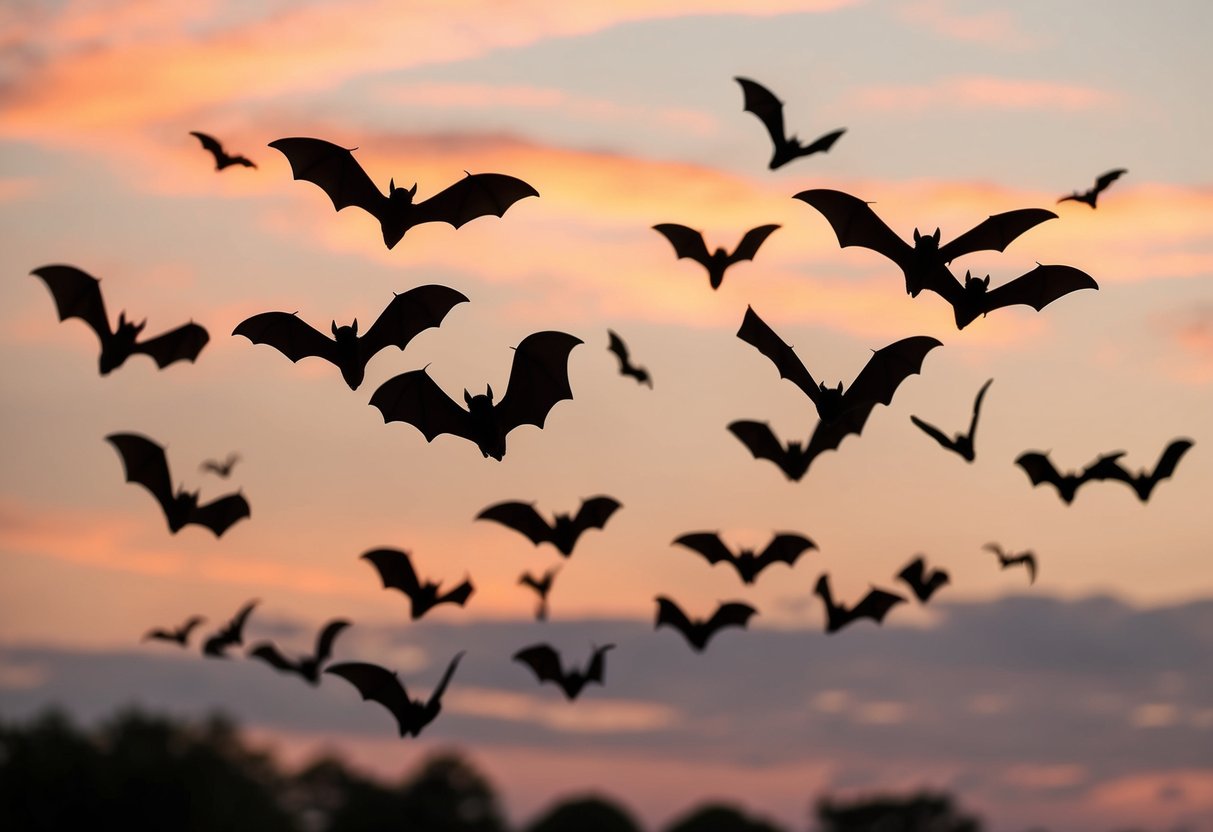
Bats play a crucial role in ecosystems through their unique behaviors and social structures. They are fascinating creatures with various relationships to their environments, especially in how they interact with plants and other species.
Social Structure and Roosting
Bats are social animals, often living in groups called colonies. These colonies provide safety in numbers and help with heating during colder months.
Many bat species are nocturnal, meaning they are active at night, which helps them avoid predators.
Roosting habits can vary widely. Some bats prefer caves, while others roost in trees or human-made structures. Megabats, like the flying fox, often roost in large colonies, whereas microbats may be solitary or found in smaller groups.
These roosting sites are vital for resting and raising young, and they help maintain warm temperatures, essential for survival.
Pollination and Seed Dispersal
Bats are important pollinators, particularly flower species that bloom at night.
Fruit bats, also known as megabats, primarily feed on nectar and fruit. As they feed, they transfer pollen from flower to flower, allowing plants to reproduce.
Moreover, when bats consume fruit, they play a significant role in seed dispersal. The seeds pass through their digestive systems and are excreted in new locations, promoting plant growth in various habitats.
This behavior supports biodiversity and helps maintain healthy ecosystems.
Conservation and Human Impact
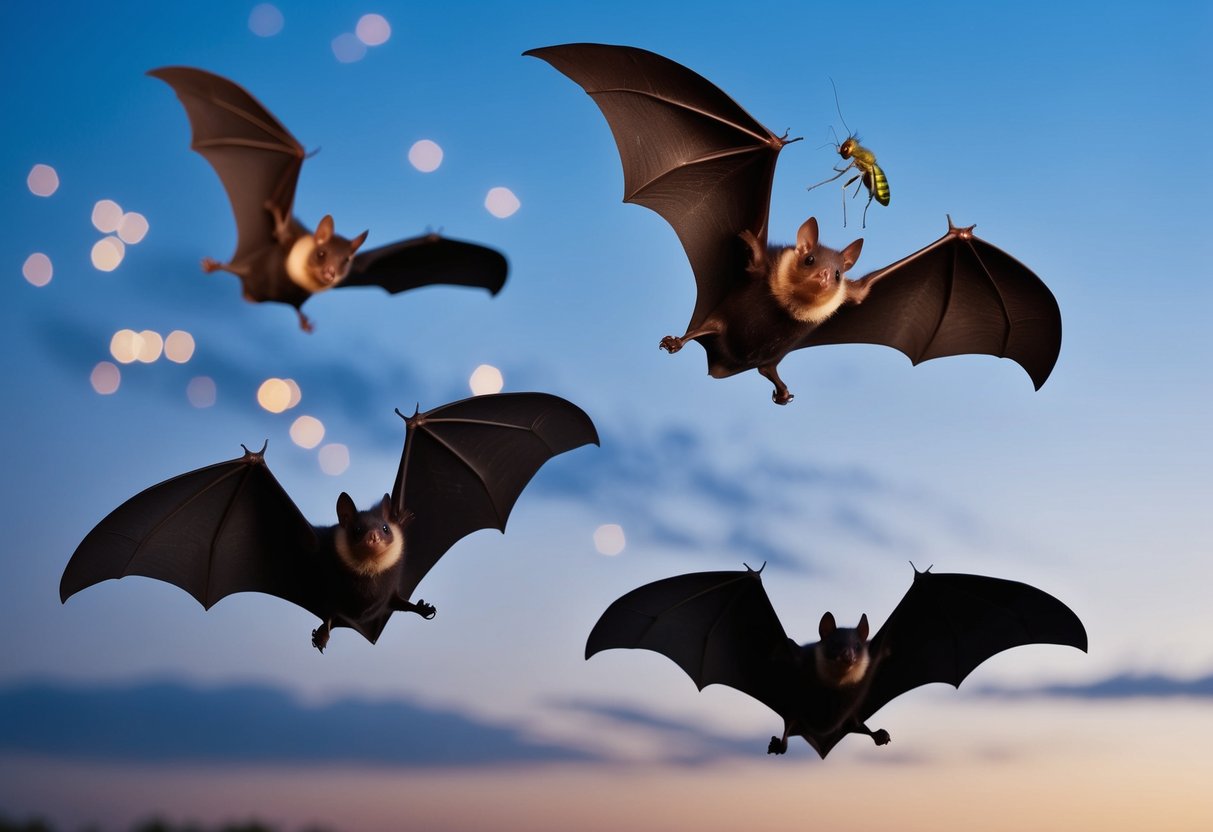
Bats face several serious threats due to human activities, while also playing vital roles in our ecosystems. Understanding these challenges and their benefits can help you appreciate the importance of bat conservation.
Threats to Bat Populations
Bats encounter various threats that impact their survival. Habitat loss due to urbanization and deforestation reduces their living spaces. Human encroachment often leads to the destruction of roosting sites.
Additionally, White Nose Syndrome has devastated bat populations in North America. This fungal disease affects bats during hibernation, leading to severe declines.
Bats are also at risk from hunting and human disturbances. In some cultures, bats are hunted for food or traditional medicine.
Moreover, Rabies is a concern as it can spread from bats to humans. While not all bats carry rabies, it can create fear and lead to negative attitudes toward these important animals.
Bats’ Role in Ecosystems
Bats provide essential ecosystem services that benefit both nature and agriculture. They are important for pest control. Bats consume insects that can harm crops like bananas, mangos, and avocados. A single bat can eat thousands of insects in a night, reducing the need for chemical pesticides.
Additionally, bats assist in pollination. Many fruit-bearing plants rely on bats for pollinating flowers, which helps produce vital food sources. Some bats also contribute to seed dispersal, enabling the growth of healthy forests.
Bat guano is a rich source of fertilizer that supports plant growth. This natural fertilizer improves soil quality, aiding farmers and ecosystems alike.


