
If you want to attract bats to your garden, you need to know what draws these nocturnal animals in. Bats play a crucial role in your garden’s ecosystem by controlling insect populations and helping with pollination. They are particularly attracted to gardens that provide food sources such as flowering plants and insects, as well as safe nesting spaces.

To create an inviting environment, consider adding native plants that bloom at night. These plants not only attract nectar-feeding bats but also support local biodiversity by providing habitat for various creatures. By enhancing your garden in this way, you can contribute to bat conservation while enjoying the benefits these fascinating animals bring.
By understanding what bats are looking for in your garden, you can help foster a thriving ecosystem. Welcome them into your space, and you will likely see an improvement in your garden’s health and vibrancy.
Attracting Bats with Food and Water Sources

Offering the right food and water sources can help attract bats to your garden. These features not only support bat populations but also enhance the natural balance of your ecosystem.
Importance of Insect Control
Bats are excellent natural pest controllers. They primarily feed on insects, helping to keep pest populations in check. Their diet includes mosquitoes, moths, beetles, and other bothersome bugs.
When you attract bats, you benefit from their ability to reduce the need for chemical pesticides. This can lead to healthier plants and a more balanced garden.
To encourage insectivorous bats, avoid using pesticides that can harm them or their food sources. A bat-friendly garden will attract various insects, creating a thriving environment. The more diverse the insect population, the more appealing your garden will be to bats.
Providing a Fresh Water Supply
Bats need access to fresh water. A reliable water source is essential for their survival. You can create this by adding a small pond, birdbath, or water fountain in your garden.
Aim to place your water source in a quiet area, free from disturbances. Bats prefer drinking water that is near their roosting spots. They will visit these locations regularly, especially if it is easy to access.
Make sure to keep the water clean and fresh. Stagnant water can attract mosquito breeding, which is less desirable. Providing running water will not only attract bats but also various pollinators, creating a vibrant ecosystem around you.
Natural Habitats and Roosting Spaces
Creating a welcoming environment for bats involves setting up specific roosting spaces and preserving natural habitats. Bats need safe places to rest during the day and locations that provide food and cover.
Setting Up Bat Houses
Installing a bat house is a great way to attract bats to your garden. Make sure to choose a location that gets plenty of sunlight and is at least 12 to 15 feet off the ground.
Consider the type of bat species in your area. Different types of bats prefer different house designs. Research native bat boxes that suit local species.
When placing the bat house, ensure it’s close to water sources and feeding areas. Bats are also comfortable in clusters, so consider adding multiple boxes to create a diverse habitat.
Use untreated wood for construction to keep the environment clean and safe for the bats. Regularly check the boxes to ensure they are in good condition and free of predators.
Preserving Natural Roosting Sites
Dead trees can be valuable for bats as natural roosting sites. These trees provide safe hiding spots and help maintain a healthy ecosystem. By leaving dead or dying trees standing, you create a cozy home for bats.
You can also plant native vegetation that attracts insects, providing a ready food source. A diverse habitat encourages bats to visit and stay in your garden.
Avoid using pesticides, as they can harm the bats and reduce their food supply. Instead, embrace natural methods of pest control, allowing bats to do their job in keeping insect populations down.
Garden Environment and Conservation Efforts
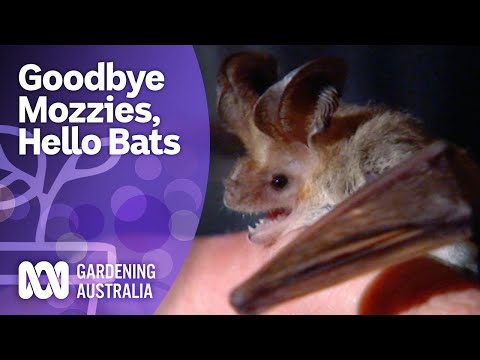
Creating a garden that attracts bats goes beyond selecting the right plants. You can enhance the environment through careful choices about flowers, light, and overall ecosystem health.
Encouraging Night-blooming Flowers
To draw bats to your garden, focus on night-blooming flowers. These plants release their scents in the evening, which helps attract nocturnal insects that bats feed on. Examples include moonflowers and evening primrose.
These flowers not only add beauty but also play a crucial role in bat conservation. Try incorporating native plants, like goldenrod (Solidago spp), which can provide food for insects.
Consider planting clusters of these flowers together. The fragrance will be stronger, making it easier for bats to find food in your garden.
Minimizing Light and Pollution
Bats thrive in dark environments, so minimizing light pollution is essential. Opt for soft, ambient lighting instead of bright overhead lights. This helps maintain the natural night setting that bats prefer for hunting.
You can reduce chemical pollution by avoiding pesticides that harm insects. Instead, use natural pest control methods. Beneficial insects like ladybugs and lacewings can keep pests in check without endangering bat populations.
Supporting the Bat Ecosystem
Building a bat-friendly garden involves supporting the entire ecosystem. Native plants attract local insects, providing food for bats. A diverse plant selection promotes a thriving garden environment.
Consider adding a bat house to your garden. This gives bats a safe place to roost and helps control insect populations naturally.
Additionally, you should stay informed about bat conservation efforts in your area. Joining local groups can connect you with others who share your goal of creating safe habitats for these valuable creatures. Being part of a community can amplify your impact on bat conservation.


