
Finding a bat in the daytime can be surprising and a bit concerning. If you come across a bat that appears to be resting or injured, take a calm and careful approach. Bats are essential to our ecosystem, but they can sometimes find themselves in tricky situations.

Start by assessing the situation. If the bat looks injured or seems to be struggling, you should contact a local bat carer or call the National Bat Helpline at 0345 1300 228. They can provide you with the best advice on how to help. Remember, handling bats requires caution, so use gloves and do not attempt to keep the bat as a pet.
This guide will help you understand the steps to take if you find a bat during the day, ensuring both your safety and the well-being of the bat. You’ll learn how to contain the situation, who to call, and what to do next. Your actions can make a difference for these fascinating creatures!
Understanding Bat Behavior and Protection
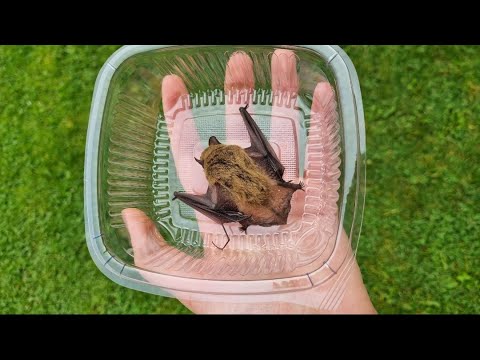
Bats play a crucial role in the environment, and knowing how to protect them is important. They are often misunderstood and could use your help. Understanding their behavior can guide you in taking the right actions if you encounter one.
Bat Conservation Basics
Bats are unique mammals that typically become active at night. This makes them nocturnal creatures. If you see a bat during the day, it may indicate a problem, such as injury or illness.
It’s essential to avoid touching or handling them. Instead, ensure that the bat is safe and call local wildlife groups or the Bat Conservation Trust for help. You can also learn about local bat species and their habitats, which can aid in their preservation.
When you support conservation efforts, you help maintain healthy ecosystems. Bats often face threats from habitat loss and climate change, making your role in their protection even more vital.
The Importance of Bats in Ecosystems
Bats contribute significantly to natural ecosystems by controlling insect populations. They are known to eat thousands of insects in a single night, including pests that harm crops. This natural pest control is vital for agriculture and reducing the need for chemical pesticides.
In addition to pest control, bats assist in pollination and seed dispersal. Some bat species pollinate plants that produce fruits, contributing to food sources for both wildlife and humans.
By protecting bats, you help preserve the delicate balance of nature. The health of various ecosystems depends on their presence. Getting involved with bat conservation efforts can promote awareness and foster appreciation for these beneficial creatures.
Immediate Steps to Take

Finding a bat during the day can be surprising. It’s important to know how to respond safely and effectively. Focus on your safety and the bat’s well-being to handle the situation properly.
Safety Considerations When Handling Bats
Before attempting to interact with a bat, remember these safety tips:
- Stay Calm: Bats can be scared and may react unpredictably.
- Avoid Direct Contact: Use gloves if you need to handle the bat to protect yourself from potential bites, as they may carry rabies.
- Secure Pets: Keep dogs and cats away from the area to prevent stress to the bat.
If you encounter a grounded bat, it might be injured. Look for visible signs, like a broken wing or blood. If the bat appears torpid, it might not be dead but needs help.
Assessing the Situation
Take a moment to assess what you see.
- Is the Bat Grounded?: If the bat is on the ground, it may need assistance to return to its roost. Observing is key.
- Is It Injured?: Signs of injury include inability to fly, limpness, or visible wounds. If it looks hurt, call a professional.
- Look for Baby Bats: If you find a small bat, it may be a pup needing its mother.
Refrain from touching unless necessary. If unsure about what to do next, contact a local wildlife service or the Bat Conservation Trust for guidance.
Caring for the Bat

If you find a bat during the day, it is important to provide a safe space for it and know when to seek help. Here are some key points to ensure the well-being of the bat.
Providing a Safe Environment
First, create a calm area where the bat can rest. You should use a ventilated box or container with soft material like a towel. Avoid cages with small openings as bats can squeeze through tight spaces.
Next, keep the environment quiet. Reduce noise and movement around the bat to help it feel secure. Make sure the temperature in the room is comfortable, ideally between 20-25°C (68-77°F), as bats are sensitive to temperature changes.
Do not attempt to feed the bat. It’s best to wait for a trained bat carer. For professional help, contact local organizations like the Sussex Bat Group. They can provide proper guidance and care tailored to the bat’s needs.
When to Call for Help
You should call for help if the bat appears injured or is behaving unusually, such as struggling to fly or staying on the ground. Bats can potentially carry rabies, so it’s best to avoid direct contact.
If you’re unsure about the bat’s health, reach out to a bat rehabilitation expert. You can find contacts through organizations such as the Sussex Bat Group, who can guide you on what steps to take next.
Always remember, never try to treat or rehabilitate a wild bat on your own. Let trained professionals handle the situation for both your safety and the bat’s well-being.
After Rescue: Release and Advice

When you find a bat during the day and help it, releasing it safely is key. You should also take steps to protect bats in the future.
Preparing for Release
Before releasing the bat, make sure to ensure its safety. First, find an open, outdoor space away from busy areas. Make sure the area has natural shelter, like trees or bushes, that the bat can use for protection.
You should also wait until dusk if possible. Bats are nocturnal and more active at night, so releasing them in the evening gives them the best chance to find food and shelter.
If the bat seems weak or injured, contact a bat rescue service for advice. They can provide further guidance or help in caring for the bat until it is ready for release. Reach out to the National Bat Helpline for support.
Preventive Measures to Protect Bats
To protect bats in your area, you should take preventive actions. First, check your home for gaps or openings where bats might enter. Closing these areas can keep bats safe from human interaction.
You can also help local bat populations by creating a bat-friendly environment. Install bat boxes in your garden. They offer safe roosting spots away from hazards.
Lastly, educate your community about the importance of bats. Share information from reliable websites about their role in the ecosystem. Promoting awareness can help ensure their protection.


