
Bats are often misunderstood creatures that play a vital role in our ecosystem. You might wonder if these flying mammals will come near you while you’re enjoying an evening outdoors. Bats typically do not have an interest in humans and often fly close in search of insects or fruits, posing no threat to you.

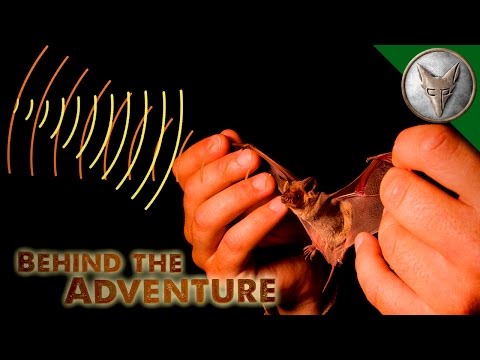
These fascinating animals use echolocation to navigate and find food, which makes them highly effective hunters in the night. As they swoop low, they may seem alarming, but they’re more focused on their prey than on approaching you.
By learning more about bats and their behaviors, you can appreciate their role in biodiversity and even find ways to coexist peacefully with them.
If you’ve ever spotted a bat near your home, it’s likely just chasing after a bug attracted to your porch light. Understanding their habits can help you feel more comfortable and informed about sharing your space with these unique wildlife members.
Understanding Bat Behavior

Bats have unique behaviors that can help you understand why they may come near humans. Their natural habits, common myths, and interactions with people are essential to knowing how to coexist with these creatures peacefully.
Natural Habits and Echolocation
Bats are nocturnal animals, meaning they are most active at night. They use echolocation to navigate and find food in the dark. This process involves emitting high-frequency sounds that bounce off objects, helping bats locate insects and other items nearby.
Bats typically roost in large colonies in dark places, such as caves or trees. They are shy creatures that prefer to avoid humans. When they fly, they often swoop around lights to catch insects that gather there. While you might see bats flying near you, they are usually more interested in finding food than interacting with people.
Common Myths About Bats
Many myths surround bats which can lead to misunderstandings. One common myth is that bats attack humans. In reality, bats do not seek out people and only exhibit aggression if they feel threatened. They are gentle creatures that mostly want to avoid you.
Another myth is that bats are dangerous. Most bats are harmless and actually play a vital role in controlling insect populations. They are not aggressive by nature and tend to fear humans instead. Learning the truth about these myths can help you appreciate bats more.
Interactions with Humans
Bats will generally avoid close contact with humans. They might fly near you but usually do so while chasing insects rather than approaching you. Bats can recognize people but do not engage with them.
In some rare situations, a bat might bite if it feels cornered or scared. This is not common, and most encounters are harmless. If you respect their space, bats will likely ignore you and continue on their way. Remember, they are friends of the environment, providing benefits like natural pest control.
Health Risks and Safety Measures

When it comes to bats, understanding health risks and learning safety measures is essential. While bats are generally harmless, there are some important factors to consider to keep you and your environment safe.
Bats and Disease Transmission
Bats can carry diseases that may affect humans, including rabies and histoplasmosis. Rabies is a viral infection that can be fatal if not treated promptly. Thankfully, only a small percentage of bats are infected.
It’s important to avoid direct contact with bats, especially if they appear sick or are found dead. Never handle bats without proper training. If you encounter a dead bat, report it to health authorities for safe removal.
To minimize risks, keep your living areas clean and seal entry points in your home. This reduces the chance of bats roosting nearby. Following these precautions promotes One Health, focusing on the health of humans, animals, and the environment.
Rabies and Bat Bites
Rabies is a serious disease that can be transmitted through bites. If you are bitten, wash the wound immediately and seek medical help. Bat bites may be small and can puncture the skin, making them easy to overlook.
Be aware that bats rarely attack humans unless they feel threatened. Most encounters are safe, but it’s best to observe bats from a distance. If you notice a bat behaving unusually, contact wildlife or public health authorities.
Taking simple steps like avoiding handling bats can significantly lower your risk of exposure to rabies. Always treat bats with respect and caution to maintain a healthy coexistence.
Conservation Efforts and Human Impact

Conservation efforts play a vital role in protecting bat populations and ensuring their coexistence with humans. Understanding the threats bats face, their importance in ecosystems, and strategies to promote coexistence can guide your actions for a healthier environment.
Threats to Bat Populations
Bats are facing numerous threats that impact their populations. One significant factor is habitat loss caused by urban development and agriculture. As humans expand their activities, bats lose their natural homes.
Climate change also poses risks, affecting food sources and migration patterns. Natural predators, such as hawks and owls, can further decrease bat numbers.
Additionally, diseases like white-nose syndrome have devastating effects, wiping out entire colonies. These challenges underline the importance of bat conservation efforts to protect these vital creatures.
The Role of Bats in Ecosystems
Bats are essential for maintaining balanced ecosystems. They provide key services, including pest control, pollination, and seed dispersal. A single bat can eat thousands of insects in one night, helping reduce pest populations in agricultural areas.
Furthermore, bats assist in the pollination of various plants, which is crucial for food production. They contribute to biodiversity by spreading seeds, promoting plant growth in deforested areas. By maintaining their populations, you help support these vital ecological processes.
Promoting Coexistence
To foster a positive relationship between humans and bats, education is key. You can learn about the benefits bats provide and advocate for bat-friendly practices. This includes building bat houses to provide shelter and reducing pesticide use that harms their food sources.
Engaging in conservation projects can also make a difference. Participate in local efforts that focus on habitat restoration and protection. By taking these steps, you contribute to healthier ecosystems and promote a better understanding of bats in your community.
Attracting and Supporting Local Bats
Bats play an important role in controlling insect populations, and you can help support them in your area. By creating a bat-friendly environment and installing a bat house, you can attract these beneficial creatures to your yard.
Creating a Bat-Friendly Environment
To attract bats, start by making your outdoor space inviting. Keep your garden filled with native plants that attract insects. Bats love areas rich in food sources, like mosquitos and moths.
Lighting is also crucial. Use yellow or LED lights to avoid attracting too many insects that may draw bats to unwanted areas. It’s best to avoid bright white lights.
Providing a water source, like a small pond or birdbath, can also encourage bats to visit. A varied habitat with flowers, shrubs, and areas of open space offers a perfect space for both bats and insects to thrive. Remember, bats are not aggressive and prefer to live peacefully in their surroundings.
Installing a Bat House
Installing a bat house is an effective way to provide bats a safe home. Consider placing the bat house at least 15 feet high on a tree or building. The ideal location gets plenty of sun and is sheltered from strong winds.
Make sure the bat house has proper ventilation and is large enough to accommodate several species. Mexican free-tailed bats are known for roosting in large numbers, so a larger house can attract more bats.
When choosing materials, wood is a good option as it’s durable yet provides natural insulation. Be patient, as it may take some time for bats to discover their new home.
Creating a welcoming environment and a suitable bat house can greatly support your local bat populations.


