
If you find a dead bat in your yard, you might wonder what to do next. Touching a dead bat with your bare hands is not safe due to potential health risks, including diseases like rabies. Bats can harbor various illnesses that may spread through contact with their blood or saliva, making it crucial to handle them with care.

It’s important to keep your distance and avoid direct contact. Instead, consider using gloves or a shovel to move the bat safely. If you’re unsure about how to proceed, calling local health authorities for advice is a smart move. They can guide you on the right steps to take and help with proper disposal. Knowing how to handle such situations can keep you and your loved ones safe.
Understanding the Risks Associated with Dead Bats

When you find a dead bat, it’s important to be aware of the health risks associated with it. Touching or handling dead bats can expose you to diseases like rabies and histoplasmosis. Both can pose serious health risks, so it’s essential to understand these dangers.
Rabies and Other Zoonotic Diseases
Rabies is a significant concern when it comes to bats. This viral infection can be transmitted through bites or scratches. While it’s rare for bats to have rabies, you can’t always tell if a bat is infected just by looking at it.
If a bat appears sick, injured, or is found dead, it’s best to keep your distance. The rabies virus can be deadly to humans and should not be taken lightly. If you suspect any contact, seek medical advice immediately.
Other zoonotic diseases may also be present, meaning they can transfer from animals to humans. Bats can carry various viruses and parasites that could pose additional health risks.
Histoplasmosis from Bat Guano
Histoplasmosis is another health risk linked to bats. This fungal infection comes from exposure to bat guano, or droppings, which can accumulate in places like attics or caves.
Inhaling spores from dried bat guano can lead to respiratory issues. Symptoms may include coughing, chest pain, and fever. It’s vital to avoid disturbing areas with bat droppings. Doing so can release spores into the air, putting you at risk.
If you need to clean up bat droppings, wear gloves and a mask to protect yourself. In some cases, professional removal of bat guano may be the safest option for your health.
Safe Handling and Disposal of Dead Bats
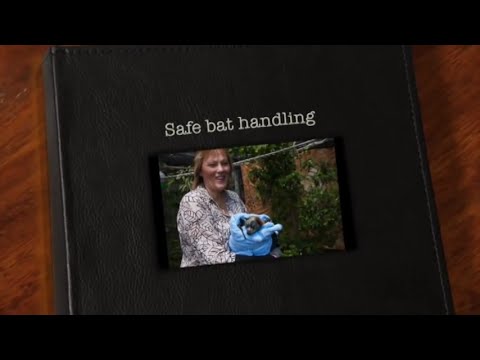
When you come across a dead bat, it’s important to handle the situation safely to protect yourself and others. Using the right gear and following proper disposal methods are key steps. You also need to know when to report the bat to local authorities.
Personal Protective Equipment
Before handling a dead bat, you should always wear personal protective equipment. This includes protective gloves, which prevent direct contact with the bat. Use disposable gloves to ensure safety and ease of disposal.
You may also want to wear a face mask to avoid inhaling any dust or particles. Avoid touching your face while handling the bat and remove your gloves carefully afterward. Always wash your hands thoroughly with soap and water once you are finished.
Proper Disposal Methods
When disposing of a dead bat, you should use a sealed container. This helps prevent exposure to any potential diseases the bat may carry. A sturdy plastic bag can work well if you follow these steps:
- Use a shovel or trowel to scoop the bat into the bag.
- Seal the bag tightly to ensure no debris escapes.
- Dispose of the bag in a covered trash can.
Never throw a dead bat into the open trash or leave it outside. This can pose a health risk to pets and people. Always prioritize safety and proper handling.
Reporting Dead Bats to Authorities
If you find a dead bat, you may need to report it to local authorities. Contact your local animal control or health department for guidance. They can assist with safe removal and provide advice on whether testing for diseases like rabies is necessary.
Make sure to provide details about the bat’s location and condition. This helps authorities act swiftly. Reporting ensures that the situation is managed professionally to keep everyone safe.
Preventive Measures and Education

Being aware of how to prevent unwanted bat encounters and understanding rabies risks can help you stay safe. Educating yourself about wildlife conservation is also important, as it encourages coexistence with these beneficial creatures.
Preventing Bat Encounters
To keep bats away from your home, make sure to seal any cracks and openings in your roof, walls, and windows. Bats can squeeze through tiny spaces, so take this step seriously.
You should also avoid leaving food outside that might attract insects, as this can draw bats. If you have a bat in your home, don’t try to capture it yourself. Instead, contact wildlife control for safe removal.
Keep your pets indoors at night to reduce the risk of encountering a bat. Finally, educate your family about the dangers of touching bats or any other wild animals.
Rabies Vaccination and Testing
If you suspect that a bat has come into contact with you or your pet, it’s crucial to seek medical attention right away. Rabies is a serious disease that can be fatal without timely treatment.
Getting a rabies vaccination for your pets can help protect them. If a bat bites or scratches, testing that bat is essential to confirm whether it carries the virus.
Local health departments, like those mentioned in Dream Outdoor Living, can guide you on testing options. Always take symptoms seriously; it’s better to be safe than sorry.
Wildlife Conservation Efforts
Understanding the importance of bats in the ecosystem can help you appreciate them more. Bats play a vital role in controlling insect populations, which helps farmers and protects gardens.
You can support wildlife conservation by participating in local programs aimed at protecting bat habitats. Informing your community about the significance of bats can promote harmony between humans and wildlife.
If you notice bats showing signs of distress or disease, report them to local wildlife agencies. Your actions can contribute to bat conservation efforts, making a positive impact in your area.
When to Seek Professional Assistance

If you come across a dead bat, it is important to know when to get help. Proper handling can prevent health risks and ensure safety. Here are some key points to consider.
Contacting Animal Control and Public Health Departments
When you find a dead bat, contacting local animal control is a good first step. They can assist with the safe removal and disposal of the bat. Animal control professionals are trained to handle such situations and can ensure proper protocols are followed.
You should also report the bat to public health departments. Bats may carry diseases, including rabies. By alerting them, you contribute to monitoring potential outbreaks in your community. They can provide guidance on next steps, including testing the bat if necessary.
Assessing Potential Risks and Rabies Exposure
It’s essential to consider the risks associated with a dead bat. If you think you may have touched the bat or been in close proximity, you should act quickly.
Rabies exposure can occur through bites, scratches, or even contact with the bat’s saliva.
Watch for symptoms such as flu-like signs or unusual behavior in pets. If you suspect exposure, seek help from healthcare professionals right away.
They may recommend vaccinations or other safety precautions. Always prioritize your safety and the safety of those around you.


