
Finding bats in your home can be surprising and concerning, especially if you’re not sure how to handle the situation. In the UK, you cannot harm or remove bats without a special license. So, your best approach is to let them be and seek humane solutions. Bats play an important role in controlling insect populations, which can actually benefit your home environment.
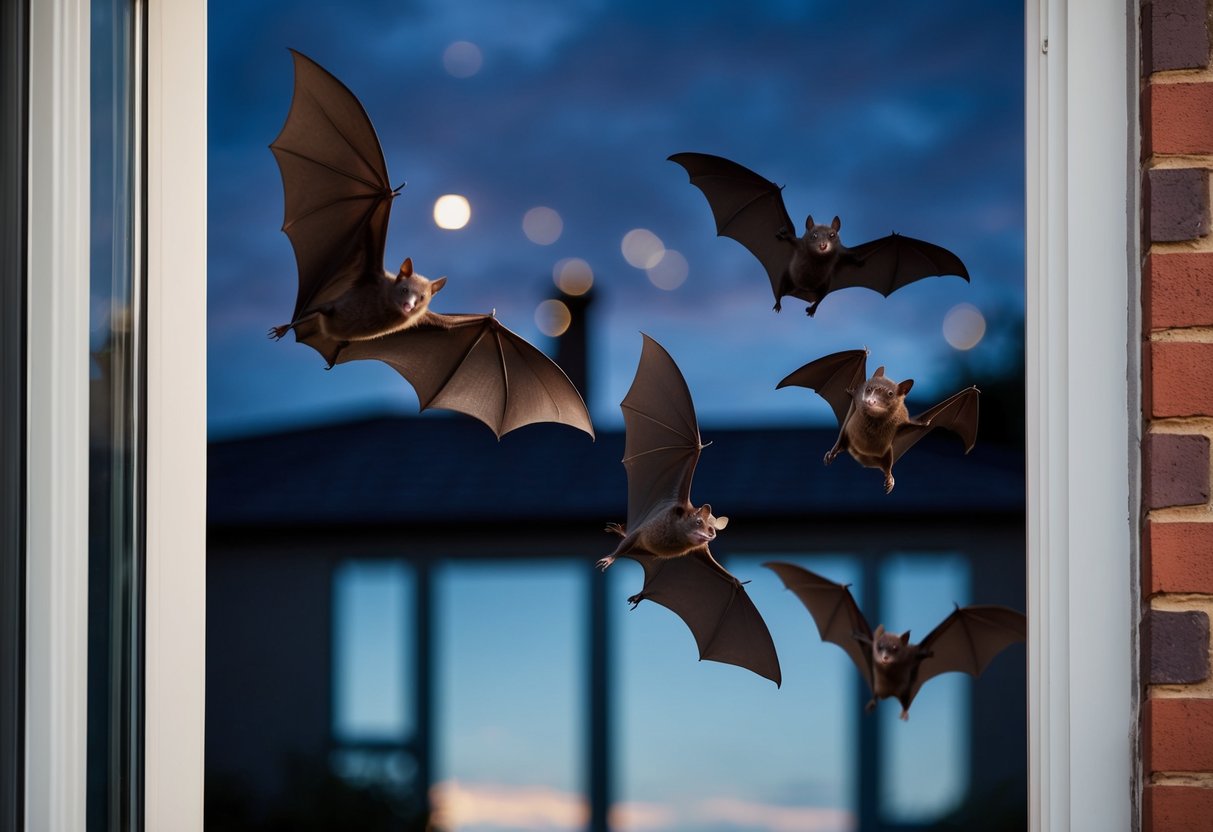
If you’re worried about bats taking up residence in your attic or loft, it’s essential to take preventive measures. Sealing entry points can help stop them from getting inside in the first place. If you already have bats in your home, consider contacting a local wildlife group or pest control expert who specializes in bats. They can guide you on the best steps to take while staying within the law.
Understanding the laws and benefits surrounding bats can help ease your concerns. Many people find that with the right information, they can coexist with these fascinating creatures while keeping their homes safe and bat-free.
Understanding Bat Protection Laws in the UK
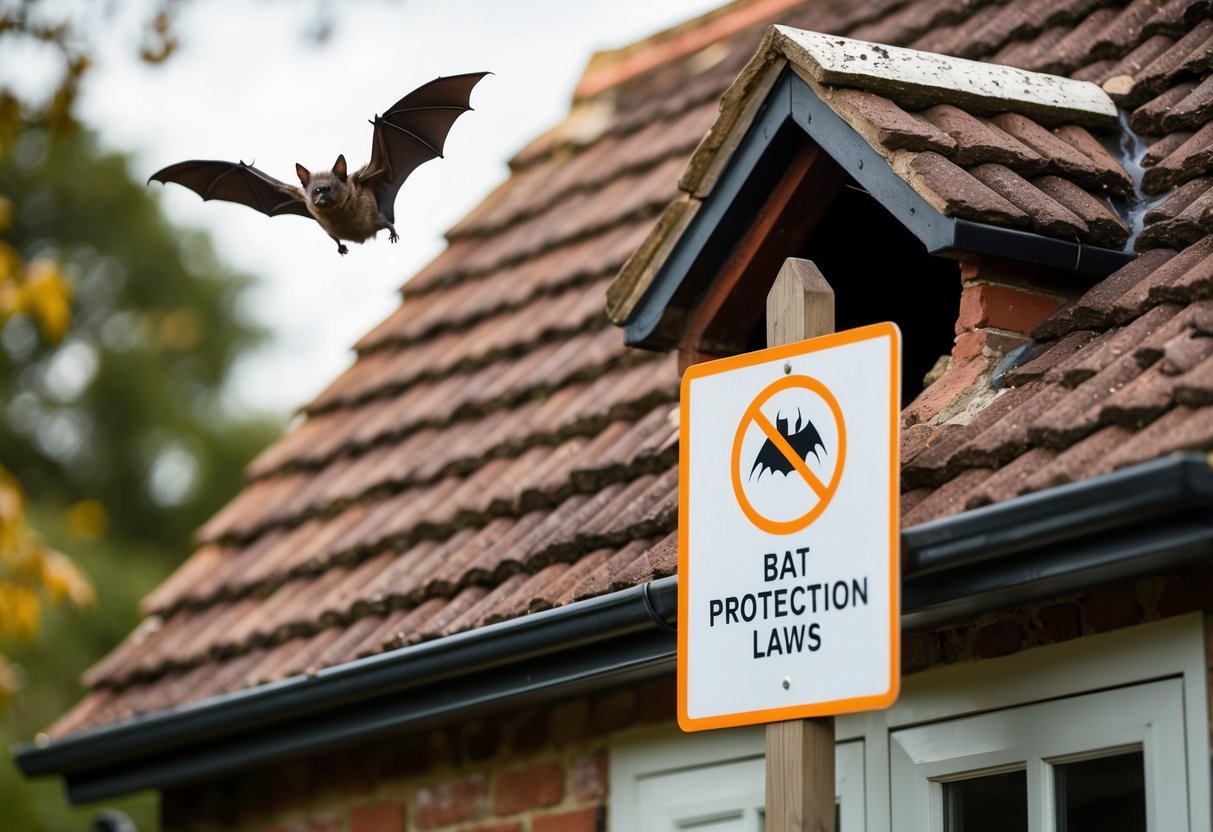
In the UK, bats are protected by law, which means you must understand your responsibilities if you encounter them in your home. This protection ensures that these valuable creatures are not harmed or disturbed.
Protected Species and Legal Considerations
Bats fall under the category of European Protected Species. This means they have strong legal protection under the Wildlife and Countryside Act 1981 and the Conservation of Habitats and Species Regulations 2017.
You cannot disturb or harm bats or their roosts at any time. Activities like renovation, demolition, or tree cutting may unintentionally affect bats. If you disturb a bat, even unintentionally, you may face serious consequences, including fines.
For help or advice, contact your local wildlife authority or Natural England. They can guide you through the legalities and help you take the right steps if bats are present in your property.
When to Contact the Bat Conservation Trust
If you suspect bats are roosting in your home, it’s best to reach out to the Bat Conservation Trust. They offer a bat helpline that can provide the necessary advice specific to your situation.
Whether you want to know how to coexist with bats or what actions to take, they can help. You may also need to apply for a license if removal is necessary. Licensed experts can assist in this process to ensure everything is legal and safe for the bats. Always prioritize solutions that protect both your home and these important animals.
Identifying Signs of a Bat Infestation
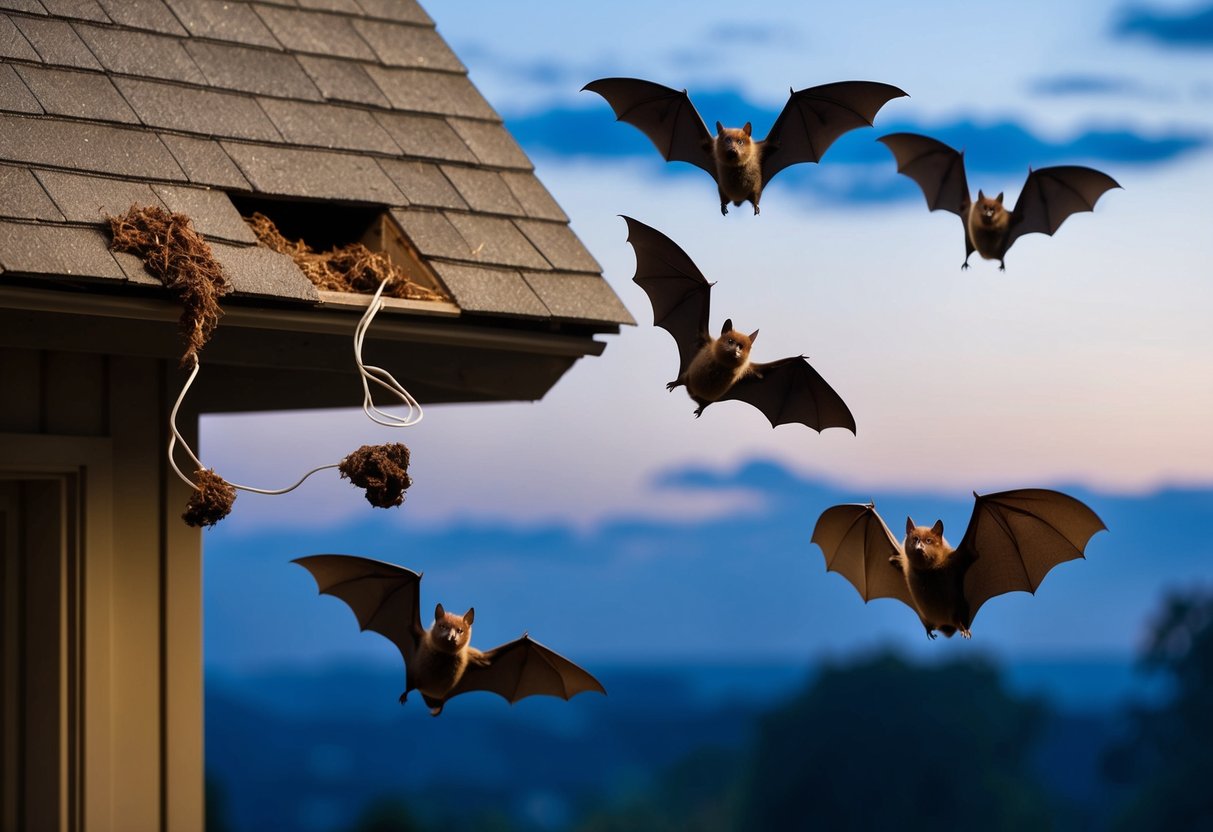
If you suspect that bats may have taken up residence in your home, it’s important to know the signs. Identifying these clues can help you act quickly and prevent further issues.
Locating Bat Roosts
Bats often roost in dark, quiet places like attics, basements, or behind wall insulations. Look for small entry points, especially around eaves, vents, and pipes, where bats can slip in.
You might notice unusual sounds such as squeaking or rustling at dusk or dawn. These noises can indicate bats are active in your space. If you see bats flying close to your home, that’s a strong sign they are nearby.
To help identify a roost, check for any visible droppings or dark stains on walls and surfaces. Knowing where bats are roosting is a key step to effectively remove bats.
Recognizing Bat Droppings and Guano
Bat droppings, known as guano, are a clear sign of an infestation. This droppings tend to look similar to small pellets or coarse grains of rice.
Guano often collects near roosting areas and can have a strong, musty odor. If you smell something unusual in your attic or walls, it might be a sign of bat presence.
It’s essential to inspect your insulation too. Bat droppings can damage insulation over time, leading to structural damage. If you see guano or notice an unpleasant smell, it’s time to investigate further.
Bat Removal Techniques and Alternatives

If you’re dealing with bats in your home, you have several options to consider. Whether you prefer professional help or want to try DIY methods, understanding these techniques can make a difference.
Professional Bat Removal Services
Hiring a professional can be the most effective way to remove bats safely. Experts will conduct a thorough bat survey to identify the species and the location of the bats. This is crucial, especially if you suspect baby bats or are in maternity season when bats are caring for young.
Professionals use humane methods to remove bats without causing harm. They will often use exclusion techniques that allow bats to leave but prevent them from returning. Expect them to seal entry points securely. This ensures that once the bats are gone, they can’t come back in. It’s a safe and efficient solution, especially for those not comfortable handling this situation themselves.
Installing Bat Boxes as Alternative Habitats
Providing an alternative home can be a great way to coexist with bats. Installing bat boxes allows bats to roost in a safe space and helps keep them out of your home. Choose a spot high on a building or tree, ideally in a sunny location.
Ensure that the bat box is designed for the species in your area. Proper ventilation and the right size are key factors in making the box appealing. By offering a suitable habitat, you can reduce the urge for bats to enter your home in search of shelter. This method promotes a harmonious relationship with wildlife while addressing your concerns.
Preventing Re-entry by Sealing Entry Points
Preventing bats from returning is just as important as removal. Start by conducting a thorough inspection of your home, focusing on attics, chimneys, and eaves for potential entry points. Look for signs like droppings or scratches.
Seal any holes larger than a quarter of an inch. Use durable materials and ensure there are no gaps. If bats are already present, make sure they are safely excluded first before sealing. This will help keep bats out and give you peace of mind.
Natural Deterrents and Preventative Measures

You can use natural methods to encourage bats to leave your home and prevent them from returning. These strategies focus on scent deterrents and physical changes to your space.
Utilizing Scent as a Deterrent
Bats have a strong sense of smell, making natural scents effective for keeping them away. You can use essential oils like eucalyptus, cinnamon, or peppermint. Applying these oils around entry points can help deter bats.
Another option is using mothballs, which can also emit a scent that bats find unpleasant. Placing them in potential nesting areas may encourage bats to move on.
Phenol, found in some cleaning products, can be another deterrent. Just be careful when using chemicals; always follow recommendations for safe use around your home.
Physical Barriers and Reflective Surfaces
Creating physical barriers is important to prevent bats from entering your home. Inspect your property for gaps or holes, especially around rooflines and chimneys. Seal any openings greater than 1-2 inches.
You can also use reflective surfaces to ward off bats. Hanging aluminum foil or mirrors in areas where bats are active can confuse them and discourage them from staying. The light bouncing off these surfaces makes the area less inviting.
Additionally, installing a bat house in your yard provides an alternative habitat, helping to keep them away from your home. This way, you can protect both your space and the bats too.


