
Bats are fascinating creatures, but a direct encounter with one can raise concerns. If a bat touches you, take it seriously due to the potential health risks, particularly the risk of rabies.
While many bat interactions are harmless, understanding bat behavior can help you respond appropriately.

Bats are nocturnal animals that often fly in search of food. Sometimes, they may inadvertently brush against a person. Your reaction matters; staying calm and knowing what to do next can make a big difference.
If you find yourself in this situation, assessing the encounter’s nature is crucial.
Remember, not all bats carry rabies, but it’s better to err on the side of caution. Observing their behavior and seeking medical advice if touched or bitten can protect your health.
Understanding Bat Interactions
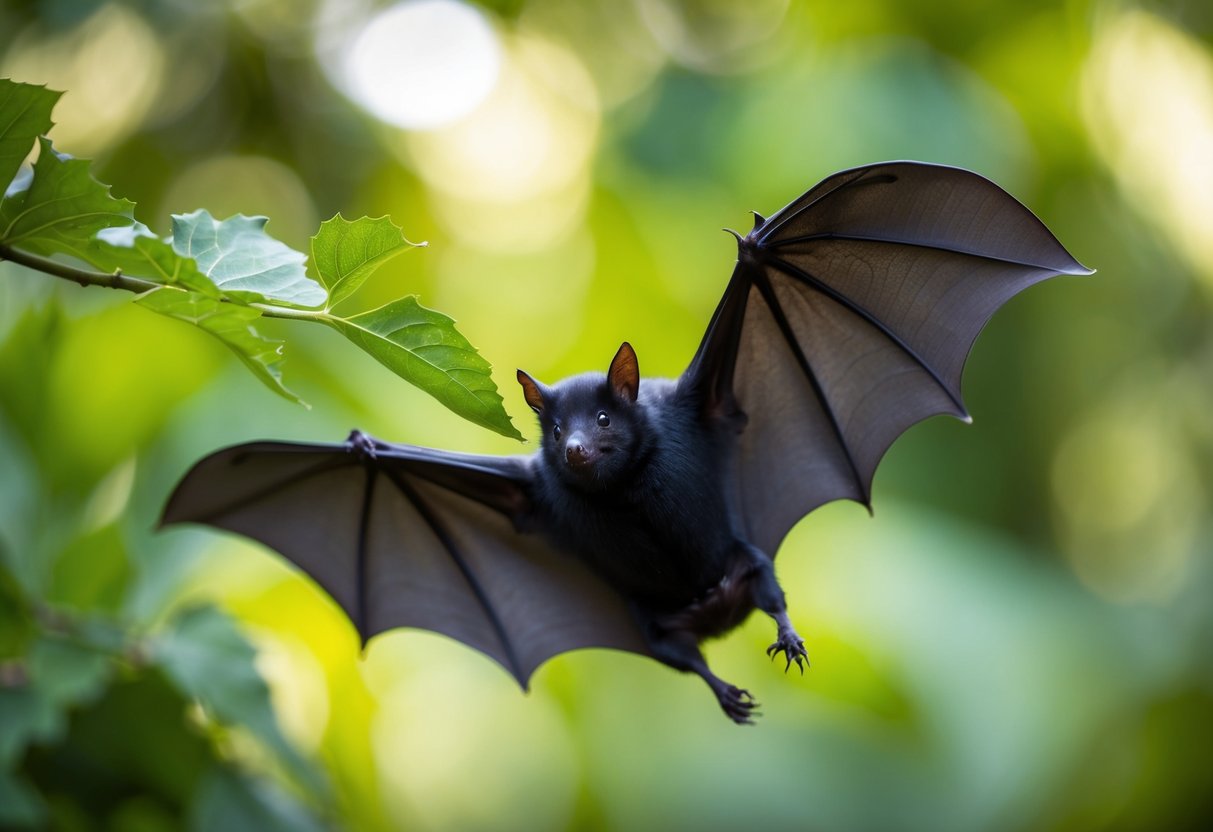
When you encounter a bat, direct contact can happen for various reasons. Understanding these interactions is important for your safety and for wildlife conservation.
Significance of Direct Contact
Direct contact with a bat can have different meanings. It may indicate curiosity or a mistaken approach during hunting or foraging. Bats use echolocation to navigate and find food. Sometimes, they might accidentally fly close to you, thinking you are an object in their path.
It’s crucial to recognize that while most bats are not aggressive, they can carry diseases, including rabies. If you are touched by a bat, it’s wise to avoid handling it and seek medical advice.
Awareness of your environment can help you minimize unexpected bat encounters.
Natural Behavior of Bats
Bats are fascinating creatures with unique social behaviors. They often use echolocation not only for navigation but also to communicate with each other.
This complex communication helps them share information about food or warn of danger.
In the wild, bats can sometimes groom or touch one another as part of their social interactions. This kind of contact is common among bat colonies, where relationships are important for their social structure.
Health Considerations After Bat Contact
If you have come into contact with a bat, it’s important to be aware of health risks and know what to do next. Two significant concerns are the risk of rabies and how to respond immediately after the exposure.
Risk of Rabies Infection
Bats are known carriers of the rabies virus, which can lead to severe health problems. If a bat touches you or if you think it might have bitten you, you may be exposed to rabies.
Rabies infection is serious and can be fatal if not treated promptly.
Signs of rabies exposure include:
- Bat bites or scratches
- Direct contact with a bat’s saliva
- Possible exposure when sleeping or in close quarters
Getting rabies early on is critical. Rabies testing of the bat may be required to assess your risk.
If the bat is unavailable for testing, it is generally advised to start rabies postexposure prophylaxis, which includes rabies shots. The sooner you act, the better your chances of preventing infection.
Immediate Response to Bat Exposure
If you suspect bat contact, follow these important steps:
- Stay Calm: Panic can make things worse.
- Wash the Area: Clean the contact area thoroughly with soap and water. This is important for reducing the risk of infection.
- Seek Medical Attention: Contact a healthcare provider immediately. Explain the situation clearly.
Your healthcare professional may recommend a rabies vaccine and offer further advice on rabies exposure.
Remember, rabies vaccination is effective if administered right after exposure. Do not hesitate to get help; your health is the top priority!
Public Health and Safety Measures
It’s important to know how to respond if a bat touches you. Understanding how to report bat encounters and the role of rabies vaccination can help keep you and others safe.
Reporting and Handling Bat Situations
If a bat touches you, it’s essential to act quickly. First, clean the area with soap and water. This helps reduce the risk of infection.
Next, do not attempt to handle the bat yourself. Contact Animal Control or your local health department for assistance.
Make sure to inform them about the encounter, especially if the bat showed any unusual behavior.
If the bat is found, it may need to be captured for testing. This is vital because bats can carry rabies, which is a serious virus.
Always keep your distance from wild animals to prevent such encounters.
The Importance of Rabies Vaccination
Rabies vaccination is a crucial step after a potential exposure. If you’re bitten or come in direct contact with a bat, consult a healthcare professional as soon as possible.
They may recommend the rabies vaccine based on the situation.
Receiving the vaccine can help prevent the disease, which is almost always fatal once symptoms appear. The vaccination process usually involves a series of shots over a few weeks.
Conservation and Coexistence
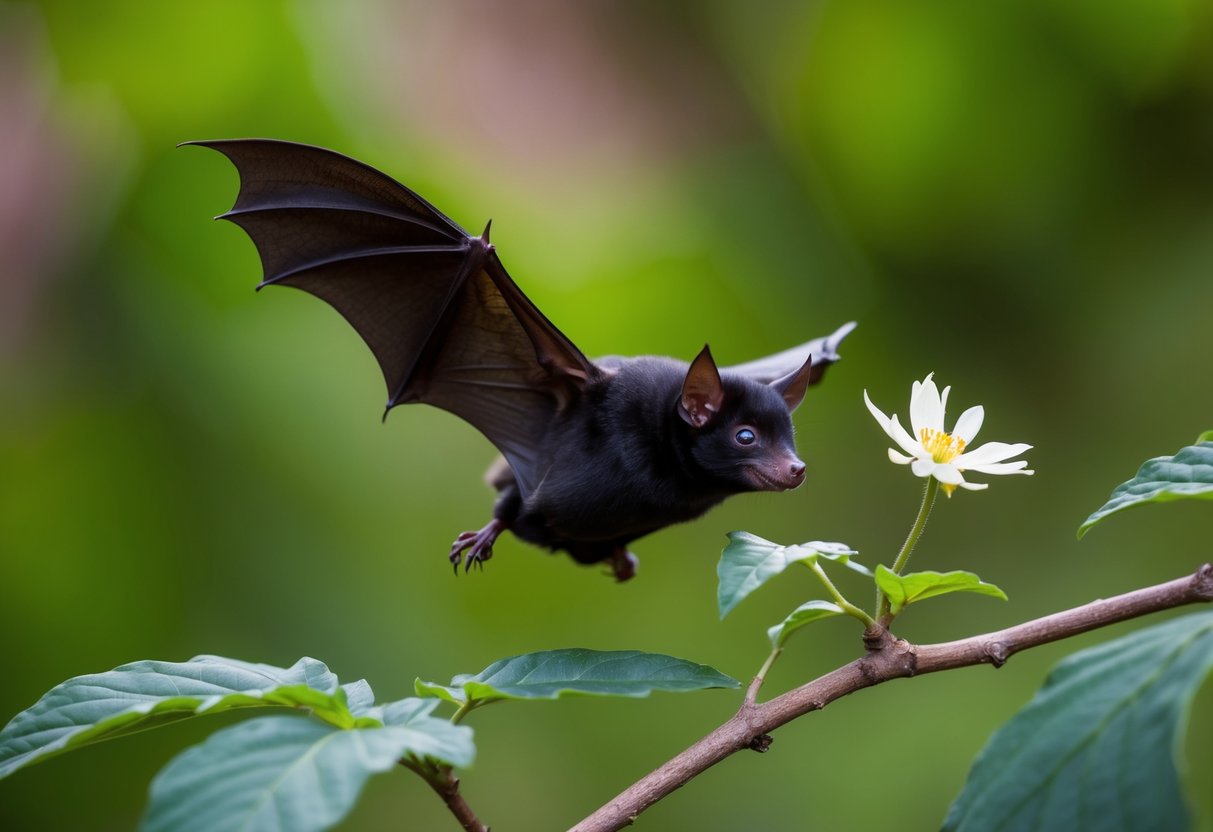
Understanding bat conservation and how to coexist with them is important for both their survival and your safety. By respecting their habitats and practicing ethical wildlife observation, you contribute to a healthier ecosystem.
Respecting Wildlife Habitats
You can help bats, like the Little Brown Bat, by protecting their natural habitats. Bats rely on forests, wetlands, and caves for shelter and food. Avoid disturbing these areas, especially during their breeding season in spring and summer.
You can also plant native plants in your garden. This offers bats and other wildlife natural food sources and shelter.
If you notice bat colonies in your area, consider alerting local wildlife conservation groups. They can provide guidance on how to safely manage interactions and preserve these vital habitats.
Ethical Wildlife Observation
When you observe bats, make sure to keep a respectful distance. This ensures that you won’t disrupt their natural behaviors. Use binoculars for a closer look without invading their space.
Avoid using bright lights or loud sounds, as these can stress the bats. Instead, observe them during dusk or dawn when they are most active.
If you plan to visit areas populated by bats, educate yourself about local guidelines. Many conservation programs promote safe practices to protect both bats and people.


