
Bats are fascinating creatures that play vital roles in our ecosystem, such as pollination and pest control. Various animals do indeed prey on bats. These include birds of prey like owls and hawks, as well as snakes and raccoons. Understanding these natural predators helps you appreciate the balance of nature and how different animals interact within their habitats.
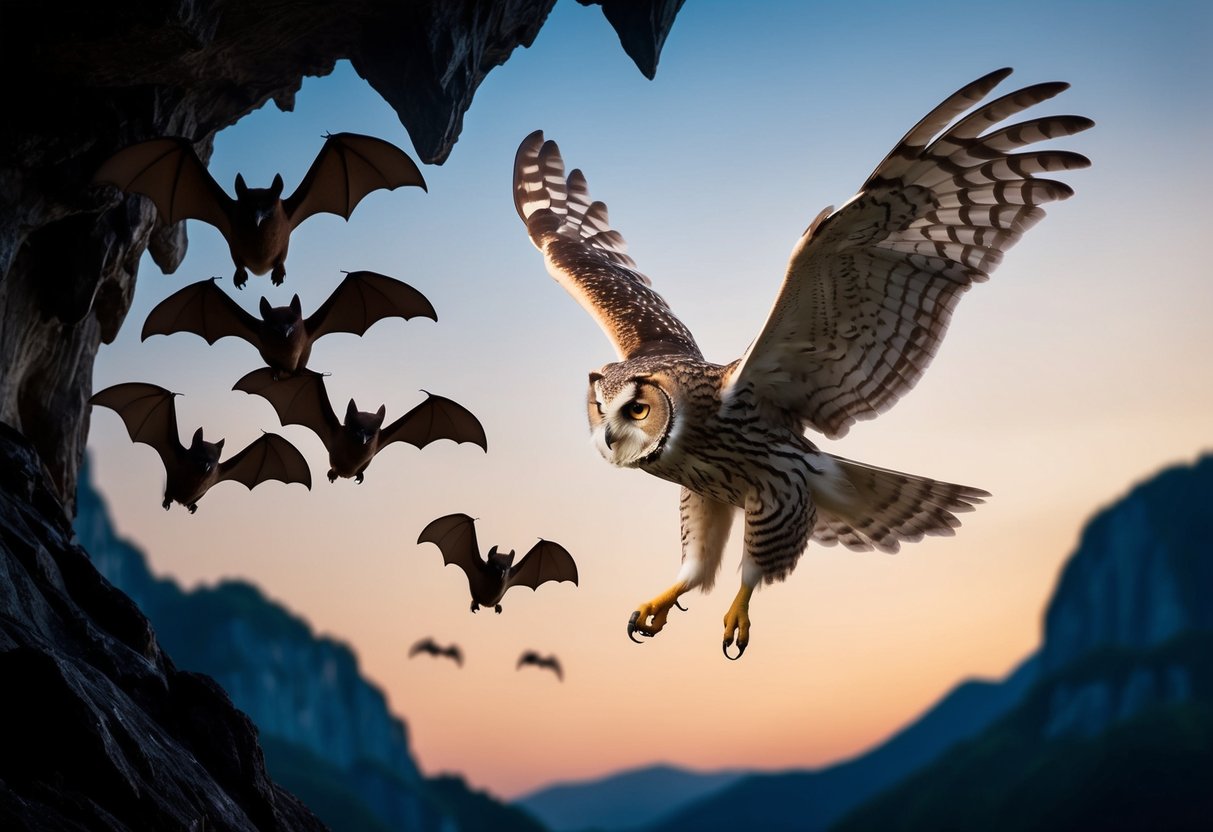
As you explore this topic, you will learn about the different predators of bats and the unique ways they hunt. From opportunistic attacks by owls to the stealthy strikes of tree snakes, each predator employs specific skills. This not only highlights the challenges bats face but also emphasizes their importance in the food web.
Join us as we dive deeper into the world of bat predation and discover how these interactions shape the delicate balance in ecosystems where these mammals thrive. You might find that the circle of life is more intricate than you ever imagined!
The Role of Bats in Ecosystems

Bats play a crucial part in maintaining healthy ecosystems. They contribute to pest control and pollination, which helps keep insect populations in check and supports the growth of various plants.
Importance of Bats for Pollination and Insect Control
Bats are excellent pollinators. Some species visit flowers and transfer pollen, which is essential for many plants. These plants rely on bats to reproduce and produce fruits. You may find that fruits like mangoes and bananas benefit from bat pollination.
In addition to pollinating plants, bats are natural pest controllers. They consume large numbers of insects each night. A single bat can eat thousands of insects, reducing pests that damage crops and spread diseases. By keeping insect populations in balance, bats help protect the ecosystem and promote agricultural health.
Predators of Bats
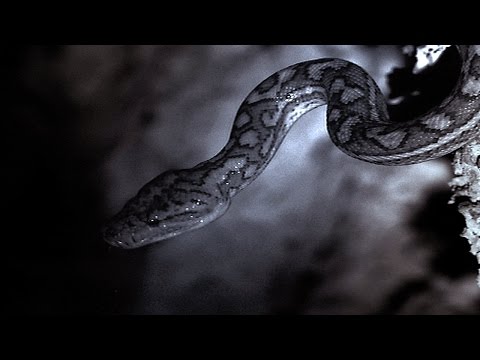
Bats face various natural predators that hunt them in different environments. These predators range from birds to mammals, reptiles, and amphibians, each taking advantage of bats’ habits and vulnerabilities.
Avian Predators
Birds of prey are among the most notable predators of bats. Owls such as the barn owl and tawny owl are especially effective hunters at night. Their keen eyesight and silent flight help them catch bats during their evening activities.
Hawks, especially the red-tailed hawk, also hunt bats when they are flying in open spaces. Other raptors, like the peregrine falcon, can capture bats in mid-air using their incredible speed and agility. These aerial predators often target bats while they are emerging from roosts or navigating through urban areas.
Mammalian Hunters
Mammals represent another significant threat to bats. Raccoons, weasels, and mink frequently hunt bats, particularly when they are roosting. These mammals can climb trees and often raid bat colonies.
Domestic cats pose a danger, too. They have been known to catch bats that venture too close to the ground. In addition, larger mammals like foxes may prey on bats found near open spaces or ground levels.
Reptiles and Amphibians
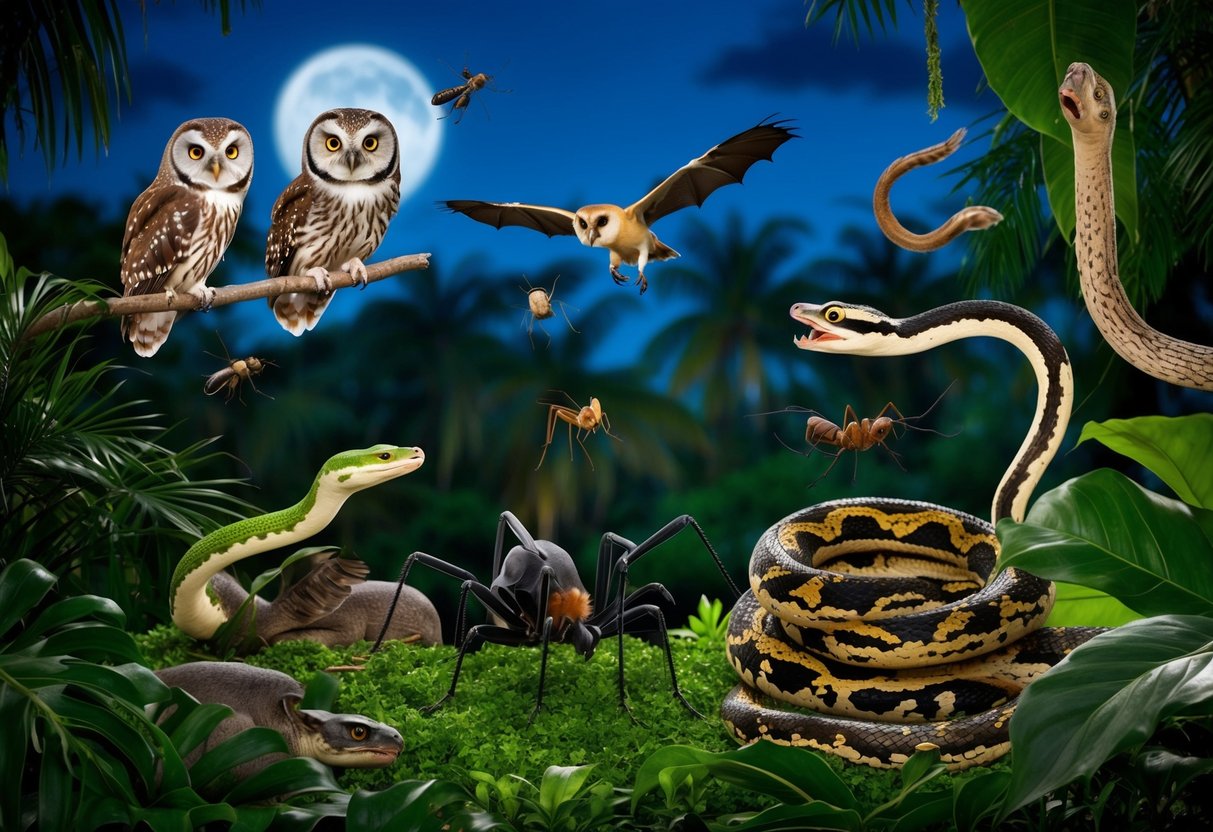
While less common, reptiles and amphibians also hunt bats. Snakes, for instance, can capture young or injured bats that fall from roosting spots. This predation usually occurs when bats are at their most vulnerable.
Bullfrogs might eat bats that are caught near water sources, taking advantage of bats’ need to hydrate. Additionally, larger predators like tarantulas have been known to prey on small bats that venture too close to the ground.
This mix of predators illustrates the many challenges bats face in the wild.
Conservation and Human Impact
You might be surprised to learn how your actions can affect bat populations. From habitat protection to the dangers posed by disease and pollution, these factors play a significant role in conserving bat species.
Habitat Protection and Restoration
Many bats depend on specific habitats to thrive. Urban development and deforestation lead to significant habitat loss, which can disrupt their roosting and foraging areas. You can help by supporting conservation efforts that prioritize habitat protection and restoration.
Creating green spaces in urban areas can provide essential foraging grounds for bats. Additionally, preserving forests and wetlands ensures a healthy ecosystem. Engaging in local conservation initiatives allows you to contribute directly to the well-being of bat populations.
After all, healthy habitats support the balance of various species, including bats, which play vital roles in controlling insect populations and pollination.
Dangers of Disease and Pollution
Bats face various health threats from diseases and pollution. For instance, rabies is a well-known concern that affects both bats and humans.
It’s essential to be aware of the risks without spreading unnecessary fear.
Pollution poses another significant threat. Chemicals, found in pesticides and contaminants in water sources, can impact bat health.
When bats consume insects with pesticide residues, it may affect their survival and reproduction.
Furthermore, bat urine can harbor diseases that affect other wildlife and humans.
You can help by advocating for clean environments and supporting policies that reduce pollution.
Raising awareness about these issues can foster greater understanding of bats and their conservation needs.


