
When you think about bats, you might wonder if they are more like rodents or birds. The truth is that bats are mammals, separate from both rodents and birds, classified in their own order called Chiroptera. This makes them unique in the animal kingdom.
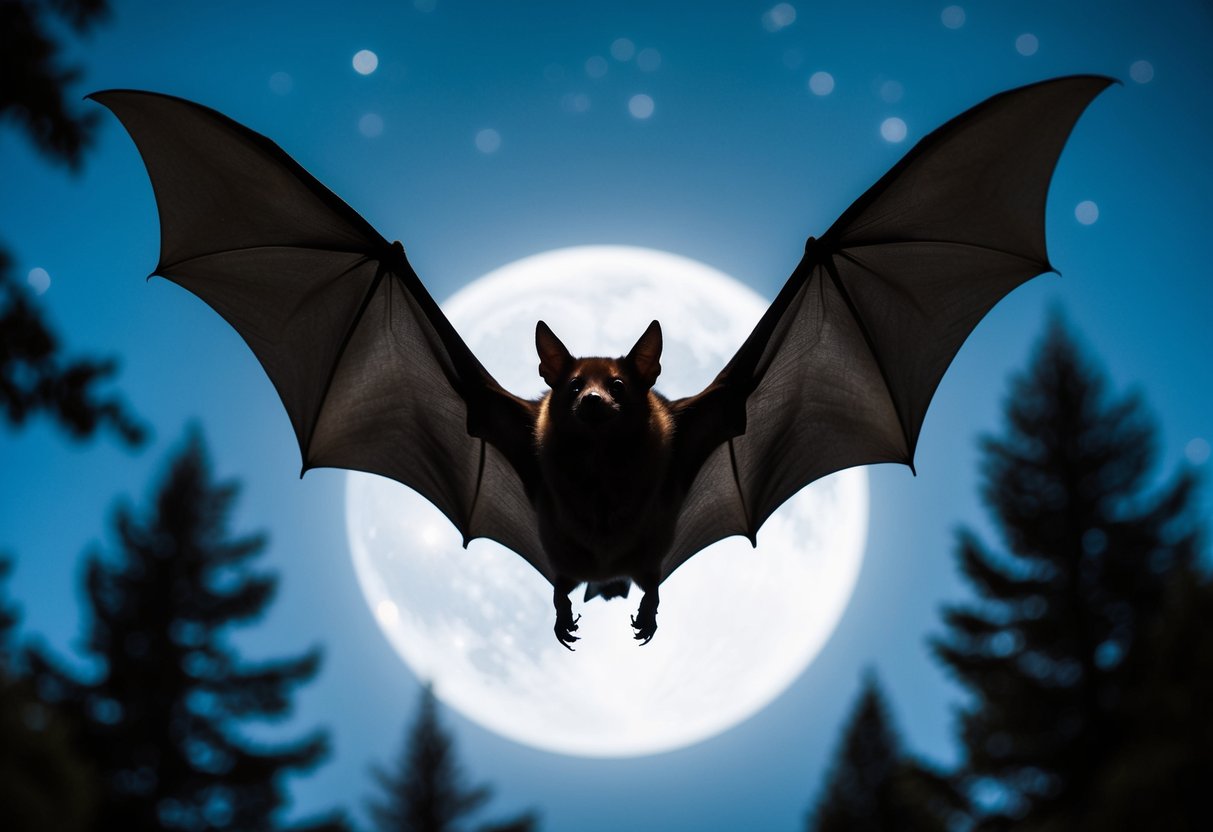
Bats are fascinating creatures with a lot of interesting traits. Unlike rodents, which are known for their gnawing habits and continuously growing teeth, bats have adapted for flight, making them the only mammals capable of sustained flight.
This special ability sets them apart not only from rodents but also from birds, despite some similarities in their flying capabilities.
Understanding where bats fit into animal classification can help you appreciate their role in nature. They contribute to vital ecosystems by eating insects and pollinating plants. Their distinct features make them a key part of the animal kingdom, deserving of recognition beyond simple comparisons.
Understanding Bat Taxonomy and Classification
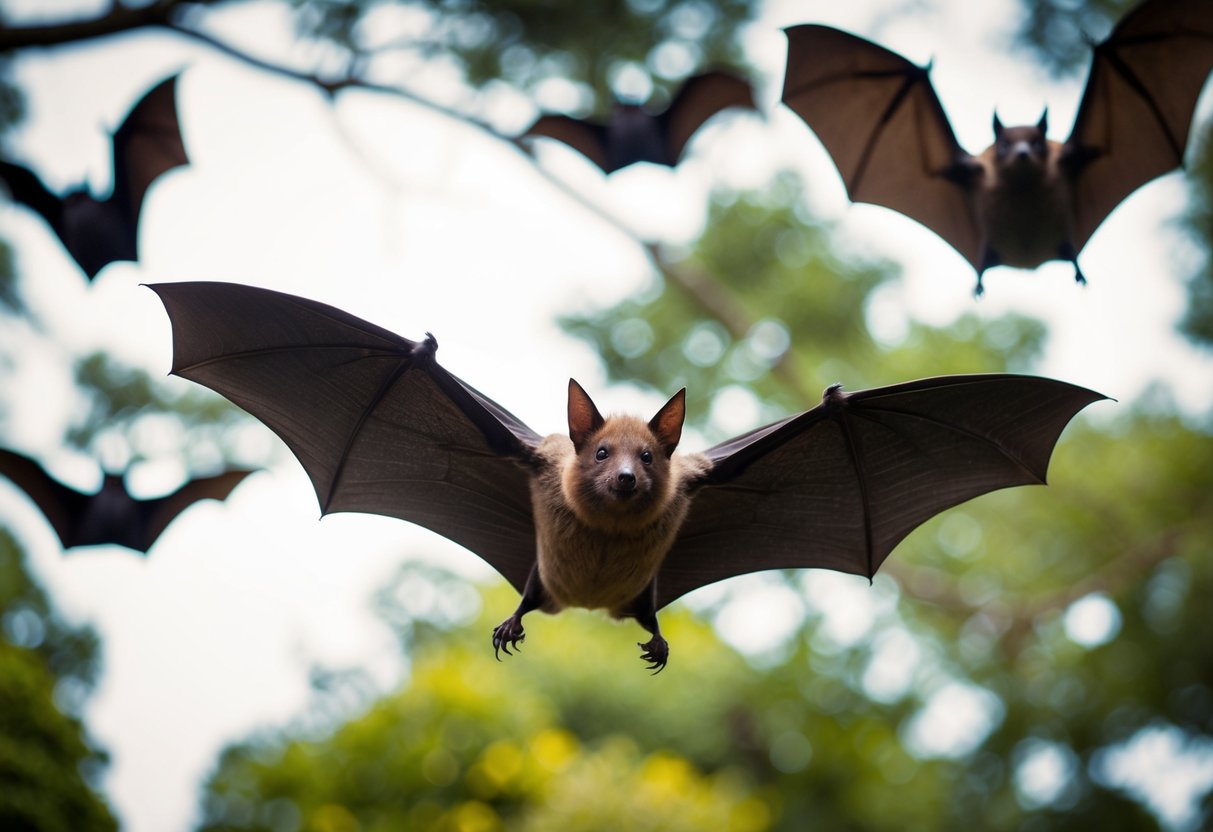
Bats are fascinating creatures that occupy a unique place in the animal kingdom. Understanding their classification helps clarify why they are neither birds nor rodents.
Let’s explore the order Chiroptera, examine the distinct features of bats, and see how they differ from rodents.
Defining Chiroptera: The Order of Bats
Bats belong to the order Chiroptera, which means “hand-wing.” This classification includes over 1,400 species, making bats the second largest order of mammals.
Bats are the only mammals capable of sustained powered flight. Their wings are formed from a thin membrane of skin stretched between elongated finger bones. This structure allows for agile and efficient movement through the air.
In addition to their unique wings, bats are warm-blooded, have fur, and give live birth, just like other mammals.
Echolocation and Flight: Unique Bat Characteristics
One of the most remarkable features of bats is their ability to use echolocation. This method helps them navigate and hunt for food in the dark.
Bats emit high-frequency sounds that bounce off objects in their environment. By listening to the returning echoes, they can determine the size, shape, and distance of objects.
This is especially useful for catching insects in flight. Their speed, agility, and precise echolocation make them efficient hunters. Bats’ ability to fly also allows them to travel long distances in search of food and roosting sites.
Differences Between Bats and Rodents
While bats and rodents are both mammals, they belong to different taxonomic groups. Bats are in Chiroptera, while rodents fall under Rodentia.
Here are some key differences between the two:
- Wings vs. Limbs: Bats have wings for flight, while rodents have strong limbs for running and gnawing.
- Dietary Habits: Most bats primarily eat insects or fruits, while rodents often have a varied diet, including seeds and grains.
- Reproductive Traits: Bats typically have fewer offspring compared to rodents, which can have large litters.
Understanding these classifications helps underline the distinct nature of bats, showing that they are truly one-of-a-kind in the mammal family.
Ecological Significance of Bats
Bats play several crucial roles in maintaining healthy ecosystems. They contribute to pollination, seed dispersal, and pest control. Understanding their ecological significance helps highlight their importance to both nature and human activities.
Bats as Pollinators and Seed Dispersers
Many bat species are vital pollinators, particularly in tropical and desert environments. They feed on nectar and, in the process, transfer pollen from one flower to another. This helps plants reproduce.
Some well-known plants that rely on bats for pollination include agave and certain types of cacti. Without bats, these plants would struggle to produce fruit.
In addition to pollination, bats also assist in seed dispersal. They consume fruits and excrete the seeds in different locations, aiding in plant growth. This process is essential for forest regeneration and the spread of various plants.
Insect Control: The Diet of Insectivorous Bats
Bats are excellent pest controllers and can consume large quantities of insects each night. A single bat can eat thousands of insects, including moths, beetles, and flies.
This insectivorous diet helps reduce the need for chemical pesticides in agriculture. Farmers benefit from bats as they keep pest populations in check, resulting in healthier crops and less damage.
Some species, like the little brown bat, are highly effective at controlling agricultural pests. By maintaining the balance of insect populations, these bats play a vital role in the ecosystem.
The Impact of Bats on Ecosystems
Bats help maintain healthy ecosystems by promoting biodiversity. Their roles in pollination and seed dispersal support various plant species, which in turn provides habitat for many animals.
The decline of bat populations can have negative effects on the ecosystem. For example, fewer bats may lead to increased insect populations, resulting in crop damage and the spread of disease.
Healthy bat populations contribute to balanced ecosystems, which benefit you and your community. Protecting and understanding these creatures is essential for sustainable environmental health.
Behavioral Habits and Physiological Adaptations
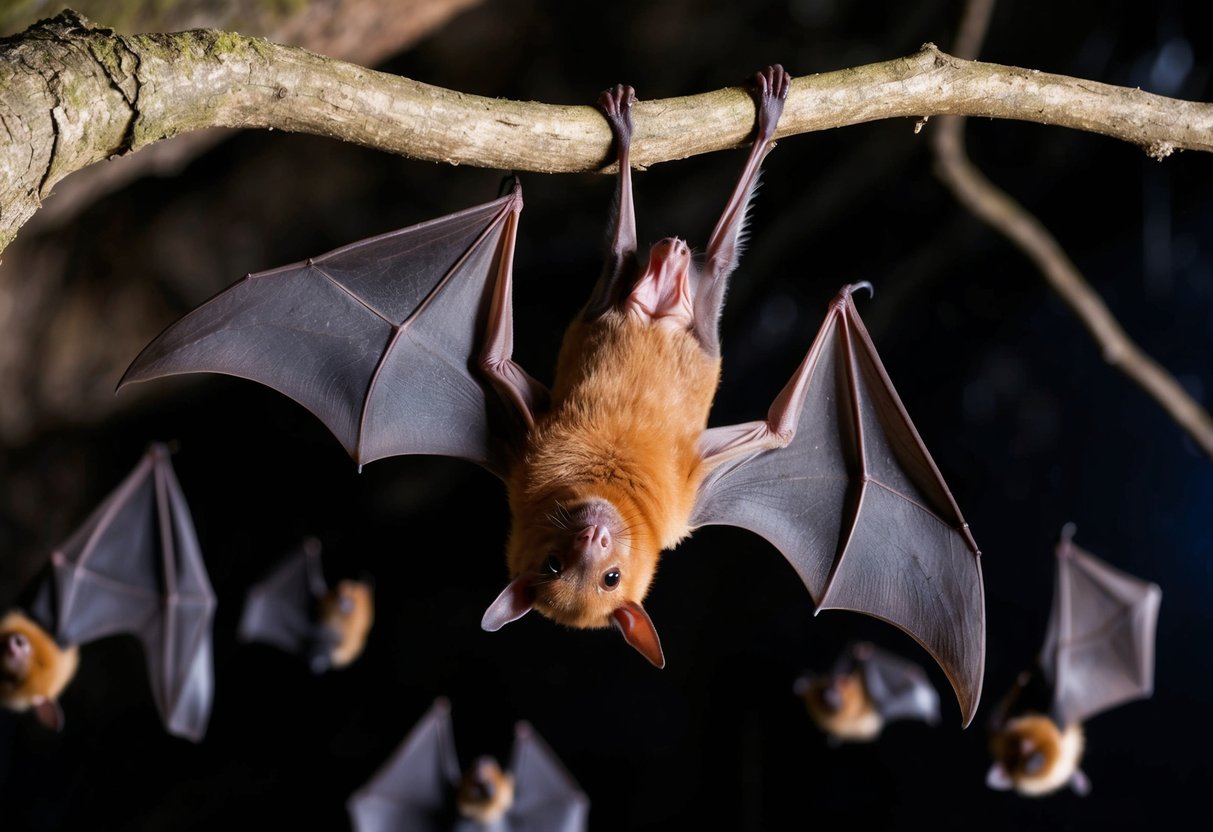
Bats have distinct behaviors and special physical traits that help them thrive in their environments. These include their nocturnal activities and impressive navigation skills, as well as their unique feeding habits. Let’s explore these fascinating aspects.
Nocturnal Lifestyle and Navigation Skills
Bats are primarily nocturnal animals, meaning they are most active at night. This lifestyle helps them avoid predators and take advantage of nighttime food sources.
You might be surprised by their ability to navigate in the dark.
Bats use a technique called echolocation. They emit high-frequency sounds that bounce off objects, allowing them to locate obstacles and prey with great precision.
This skill is especially helpful for small bats like the bumblebee bat, which often hunts tiny insects in low light.
Moreover, different bat species, like flying foxes, have adapted their navigation methods. While echolocation is common, some rely more on their keen sense of sight and smell. This combination of skills makes bats highly efficient nocturnal hunters.
Adaptations for Feeding: From Insects to Fruit
Bats have diverse feeding habits that vary by species. For instance, vampire bats have a unique diet of blood. They have specific adaptations that allow them to feed on other animals without their prey noticing.
On the other hand, many bats, such as fruit bats, play a vital role in pollination and seed dispersal. These bats have evolved to consume fruit, helping plants reproduce. The variety in feeding habits shows how adaptable bats are to their environments.
Their physical features also support their feeding needs. Bats possess sharp teeth for catching insects or specialized tongues for extracting nectar from flowers. These adaptations help them thrive in different habitats, ensuring they can find food efficiently, whether it’s insects or fruit.


