
Finding a bat in your house can be a surprising and unsettling experience. The best thing to do is to keep calm and gently encourage it to leave on its own. Bats are harmless creatures that play an important role in the ecosystem, so it’s best to handle the situation with care.

To start, close all windows and doors to limit the places the bat can go. Opening a window will create an exit for the bat, making it easier for it to find its way back outside. Make sure to clear the area of pets and people to avoid any stress or accidents.
While it might be tempting to try to catch the bat or shoo it away, remember that they are not aggressive and will usually leave when given the chance. If the bat doesn’t exit on its own, there are steps you can take to safely remove it from your home. Keeping these tips in mind can help you manage the situation effectively.
Identifying the Presence of Bats
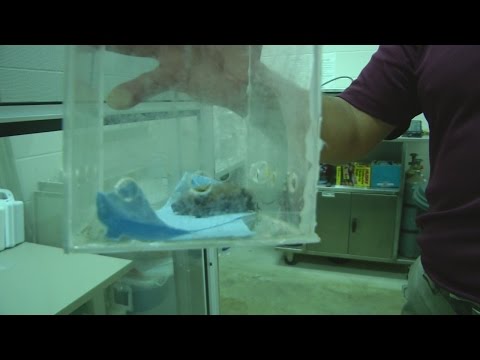
To determine if bats are in your home, watch for physical signs and changes in behavior. Knowing these indicators can help you act quickly.
Spotting Physical Signs
One of the most noticeable signs of bats is bat droppings, known as guano. They look a lot like mouse droppings but are larger and have a crumbly texture. You might find them near entry points or on windowsills and ledges.
Check your attic and walls for dark stains or marks. These can come from bat urine and may indicate where bats are roosting. Entry points are also critical to identify. Look for small openings near eaves, roofs, or vents that could allow bats access to your home.
Tip: If you see a large amount of guano, it could mean a bat population is using your house as a roost.
Understanding Bat Behavior
Bats often become active at dusk, so you might notice them flying around outside or near your home during this time. If your pets seem restless, that might be a sign they sense something unusual. Dogs may bark or cats may act curious or alert.
Bats tend to roost together. If you hear high-pitched chirping or squeaking sounds, this could mean a colony is present. To find out if they are visiting your home, listen for these noises at night, especially in your attic or areas with dark spots.
Recognizing these behaviors will give you clearer insights into whether bats are present in your living space.
Safety Measures and Initial Steps

When a bat unexpectedly enters your home, it’s important to act quickly and safely. Taking the right steps can help minimize health risks and prevent the bat from getting more comfortable in your space. Here’s what you should do.
Minimizing Risk of Rabies
Bats are known carriers of rabies, a serious viral disease. It is essential to handle the situation carefully to reduce your risk. If the bat is inside your home, avoid direct contact. Do not attempt to touch or corner it.
Make sure any pets are kept away from the area. If you see a bat hanging in a room, keep the door closed and open a nearby window to provide an exit point. This might encourage the bat to leave freely. If you suspect that the bat has bitten someone, seek medical attention immediately.
Preventing Further Entry
To stop future bat encounters, inspect your home for possible entry points. Look for small openings, gaps around windows, and spaces in eaves. Bats can squeeze through very tiny holes, so it’s important to seal these.
Using draft guards can help close off gaps around windows and doors. Ensure screens on windows and doors are intact. Regularly check your attic, chimney, and other hidden areas for signs of bats. If you’ve had a bat inside, re-evaluating your home’s defenses is crucial.
Contacting Professional Help
If the bat does not leave on its own, it’s time to call for help. Contact a professional pest control or animal control service experienced in bat removal. They are equipped to handle these situations safely and humanely.
Be clear with them about the situation and any specific concerns. Professionals can also check your home for hidden entry points and provide long-term solutions to keep bats away. Their expertise can prevent future infestations, ensuring your home remains safe and comfortable.
Bat Removal Techniques

If you find a bat in your home, it’s important to act calmly and safely. There are ways to remove the bat yourself, but sometimes you may need professional help. Here are some effective methods for both DIY removal and when to call in the experts.
DIY Removal Methods
You can try various methods to safely get a bat out of your home. First, close off the area where the bat is located. This will help keep it contained and prevent it from flying into other rooms.
Turn off any lights and open a door or window to create a path outside. Then, use a jar or a box to gently capture the bat. Approach slowly and place the container over the bat when it lands.
Use a piece of cardboard to slide under the container, trapping the bat inside. Once captured, release the bat outside, ideally at dusk when it typically roosts.
If the bat is flying and hard to catch, consider turning off lights to encourage it to settle down. Be sure to wear gloves to protect yourself. If you encounter challenges or feel unsure, check out local guidelines to ensure you’re following laws concerning bat removal.
When to Call Experts
Sometimes, it’s best to call a professional, especially if you feel uncomfortable handling the situation. Contact a wildlife rehabilitator or pest control expert familiar with bat removal. They have the tools and experience to handle bats safely without harm to you or the animal.
If the bat has made a roost in your home, it’s a good idea to get experts involved. They can assess the situation and recommend long-term solutions. Additionally, they will follow local laws regarding protected wildlife, ensuring you stay compliant.
Remember, bats play a vital role in the ecosystem, so always aim for humane removal options.
Preventing Future Intrusions

To keep bats from entering your home, it’s important to take specific steps. By sealing gaps and creating a bat-friendly environment outside, you can discourage these animals from finding their way indoors. Here’s how you can protect your space effectively.
Securing the Home Against Bats
Start by inspecting your home for potential entry points. Bats can squeeze through very small gaps. Focus on areas around roofing, siding, and fascia boards.
- Check for holes or cracks.
- Use caulking to seal gaps smaller than a quarter of an inch.
- Add mesh screens to larger openings, such as vents.
Also, pay attention to insulation in your attic. Ensure that it is intact and that there are no gaps through which bats could enter. Remember, bats are often looking for safe places to roost, especially during maternity season.
Installing Bat Houses as Alternatives
Providing a bat house outside your home can help keep bats away from your living space. Bat houses offer a safe place for bats to roost. This can reduce the likelihood of them trying to enter your home.
When you install a bat house, place it at least 10–15 feet off the ground. Also, choose a sunny area, as bats prefer warm spots.
Make sure to use untreated wood for building your bat box. This will make it a welcoming habitat. By creating a safe environment for bats outdoors, you minimize their interest in your attic or other parts of your home.


