
When you think of bats, you might picture mysterious creatures flitting through the night sky. Among the many species, the most common bat in North America is the big brown bat. The big brown bat is so prevalent because it can adapt to various environments. It also has a diet that primarily includes insects like moths and beetles.

These fascinating animals play a crucial role in our ecosystem by controlling insect populations. You may be surprised to learn that big brown bats can even reach speeds of 40 miles per hour! As you read on, you’ll discover more about these remarkable creatures, their behaviors, and why they are vital to our environment.
Overview of Bat Species

Bats are fascinating mammals that belong to the order Chiroptera. This order includes more than 1,400 species of bats, making them one of the most diverse groups of mammals.
You can find bats in nearly every part of the world, except the most extreme deserts and polar regions. They play essential roles in ecosystems as pollinators and seed dispersers.
Bats are divided into two main types: Microchiroptera (microbats) and Megachiroptera (megabats).
- Microchiroptera includes many insectivorous bats that primarily eat insects. These bats often use echolocation to navigate and find food in the dark.
- Megachiroptera, like fruit bats, tend to be larger and mostly feed on fruit and nectar.
Here are some common types of bat species:
- Little Brown Bat: A microbat known for its ability to consume large quantities of insects.
- Straw-colored Fruit Bat: A megabat with a significant role in pollination, found mainly in Africa.
- Big Brown Bat: Common in North America, this bat can adapt to urban environments.
Bats are not only important for controlling insect populations but also for maintaining healthy ecosystems. They are true flying mammals, showcasing remarkable adaptations for flight.
Common Bat Species Detailed
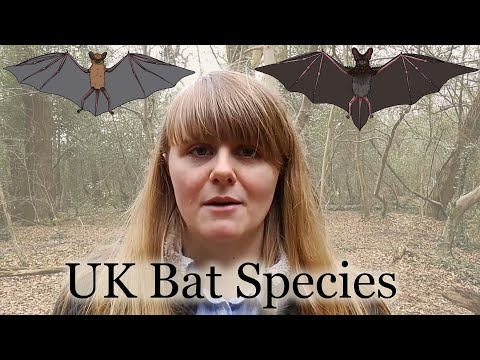
In this section, you will learn about some of the most common bat species. Each species has unique characteristics and behaviors that help them adapt to their environments.
Little Brown Bat
The Little Brown Bat (Myotis lucifugus) is known for its small size and agile flight. They typically have a wingspan of about 9 to 11 inches. These bats are often found in forests, urban areas, and near water sources.
Little Brown Bats prefer to roost in buildings or tree cavities. They are excellent at catching insects in flight, making them helpful for controlling pest populations. However, their numbers have declined due to white-nose syndrome, a fungal disease affecting many bat species.
Big Brown Bat
The Big Brown Bat (Eptesicus fuscus) is a common sight in North America. They have a larger wingspan, reaching up to 13 inches, and a body length of 4 to 5 inches. With dark brown fur and broad ears, these bats are relatively easy to identify.
Big Brown Bats are often found in buildings and attics. They feed on beetles and other insects, which makes them beneficial for agriculture. Their ability to adapt to various environments helps them thrive despite habitat changes.
Mexican Free-tailed Bat
The Mexican Free-tailed Bat (Tadarida brasiliensis) is known for its long, narrow wings and fast flight. These bats can be found in large colonies, sometimes numbering in the millions. They prefer roosting in caves, bridges, and buildings.
Their diet mostly consists of moths and beetles. Mexican Free-tailed Bats play an important role in pest control, especially in agricultural areas. They are highly migratory and can travel long distances in search of food and suitable roosting spots.
Other Notable Species
Other bat species to note include the Indiana Bat (Myotis sodalis), which is endangered and primarily found in the eastern United States. Similarly, the California Leaf-nosed Bat (Macrotus californicus) is known for its unique nose leaf, which helps them echolocate.
The Pallid Bat (Antrozous pallidus) is often found in arid regions and is recognized for its pale coloration and large ears. Meanwhile, the Western Mastiff Bat (Eumops perotis) is one of the largest bats in North America and feeds on large insects.
You may also encounter the Spotted Bat (Euderma maculatum), which is distinctive for its large, white spots. The Hoary Bat (Lasiurus cinereus) and the Red Bat (Lasiurus borealis) are recognized for their fur colors, with the Hoary being brown and the Red being bright reddish. Each of these species plays an essential role in their ecosystems.
Conservation and Threats

Bats play an important role in our ecosystem. They help control insect populations and pollinate plants. Unfortunately, many bat species are facing serious threats.
One major concern is white-nose syndrome. This disease has led to large declines in bat populations across North America. It affects hibernating bats, causing them to wake up too early and use up their fat reserves.
Habitat loss is another significant threat. Urban development and agriculture can destroy the places bats need to live and hunt.
To help, you can provide bat houses. These structures offer safe places for bats to roost and raise their young.
Climate change also impacts bat populations. Experts believe that rising temperatures and extreme weather can harm bats directly and indirectly by altering their habitats. As a result, many species are at risk.
Conservation efforts are crucial. Organizations are working to protect bat habitats and manage diseases. You can assist by supporting local conservation groups or creating a bat-friendly environment in your backyard.
By understanding the challenges bats face, you can join the efforts to conserve these amazing creatures. Your actions can make a difference in helping to stabilize bat populations for the future.
Bat Behavior and Ecology

Bats display fascinating behaviors that help them survive in different environments. Many species, like the greater horseshoe bat, hibernate during the winter months. This allows them to conserve energy when food is scarce.
Migration is another important behavior. For example, the Mexican long-nosed bat migrates to find food, especially during flowering seasons. This helps them access a variety of nectar sources.
In terms of diet, the Egyptian fruit bat primarily eats fruit and helps with pollination. In contrast, cynopterus species feast on insects, playing a crucial role in controlling pest populations.
Social structures vary among species. The grey-headed flying fox is known for its large, noisy colonies. This social interaction is vital for their reproduction and protection from predators.
Some bats have specific adaptations. The Kitti’s hog-nosed bat is one of the smallest bats in the world, yet it has unique flying abilities. Meanwhile, the rafinesque’s big-eared bat uses echolocation to navigate and find food, thanks to its large ears.
Bats like the northern yellow bat and townsend’s big-eared bat rely on diverse habitats for roosting. They prefer places like forests and caves, where they can hide from threats.


