
Bats are fascinating creatures that play an important role in our ecosystems. In the UK, you can find 18 species of bats, which are a vital part of our wildlife. These species include popular names like the Common Pipistrelle and the Daubenton’s Bat, making them unique residents of England, Wales, and Scotland.

As you explore these remarkable animals, you’ll learn interesting bat facts, such as how they use echolocation to navigate at night. Understanding these mammal species can deepen your appreciation for the wildlife around you and encourage you to protect their habitats.
Whether you’re a nature enthusiast or simply curious, the world of UK bats is full of intriguing surprises waiting to be discovered.
Diversity of Bat Species in the UK
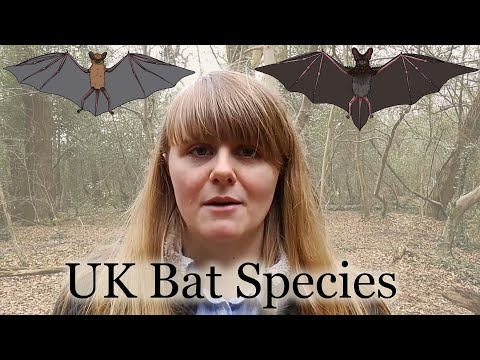
The UK is home to a rich variety of bat species. You can find many different types of bats in various habitats. Each species has its unique characteristics, making bat watching an exciting activity.
Commonly Found UK Bat Species
In the UK, you can spot several common bat species. The common pipistrelle and soprano pipistrelle are tiny and agile bats. They are often seen flitting around gardens and parks.
The noctule bat is larger and loves to fly high at dusk. On the other hand, the serotine bat prefers to hunt for insects in open areas. The brown long-eared bat is known for its large ears, making it a wonderful sight when it’s out at night.
Lastly, the Daubenton’s bat often flies low over water and feeds on insects found there.
With around 18 different species available, your bat-watching experience can be rewarding and diverse.
Horseshoe Bats and Their Unique Traits
Horseshoe bats are fascinating and unique among UK bats. They have a distinct “horseshoe” shape on their nose, which helps with echolocation. This adaptation allows them to navigate and find food efficiently.
The UK has several species of horseshoe bats, including the greater horseshoe and lesser horseshoe bat. These bats typically roost in old buildings and trees, making them special residents of rural areas.
Their diet mainly consists of moths and other flying insects, which they catch while flying. Horseshoe bats are known for their social behavior; they often roost in groups, sharing a cozy space with their friends. Observing these unique bats can add a whole new dimension to your understanding of UK wildlife.
Bat Ecology and Behavior

Bats are fascinating creatures with unique adaptations that help them thrive in various environments. Understanding their ecology and behavior reveals how they find food, shelter, and survive through different seasons.
Echolocation and Its Importance
Bats use echolocation to navigate and hunt for food in the dark. This process involves emitting high-frequency sounds that bounce off objects and return to the bat. By interpreting these echoes, bats can determine the size, shape, and distance of objects around them.
Echolocation is especially helpful in locating insects. Certain bat species can detect moths, beetles, and flies even in complete darkness. This ability makes it easier for them to catch their prey while flying at high speeds.
Dietary Habits and Prey
Most bats in the UK are insectivorous, meaning they primarily feed on insects. Your average bat can consume a significant number of bugs each night, helping to control insect populations.
Common prey includes moths, beetles, and sometimes even midges. Bats may have different feeding strategies. Some may simply chase their prey, while others use a method called “gaping.” This involves opening their mouths wide to catch insects mid-flight.
Roosting Behavior
Roosting is a vital part of a bat’s life. Bats need safe places to rest and raise their young. They often roost in trees, old buildings, or bat boxes. A roost provides shelter from predators and harsh weather.
In the UK, around 75% of bat species prefer roosting in tree cavities or under bark. Different species may have specific roosting preferences based on their needs. For example, some may choose warm, sheltered spots while others look for cooler areas.
Seasonal Patterns of Hibernation
During colder months, many bats in the UK enter hibernation to survive the lack of food. Hibernation is vital for conserving energy when insect prey is scarce.
Bats seek out appropriate roosts for hibernation, often in caves or deep crevices where the temperature remains stable. They can lower their metabolism significantly, allowing them to survive on stored fat until spring, when insects return and food becomes plentiful again.
Conservation Efforts for UK Bats

Conservation efforts for UK bats focus on addressing the threats they face and promoting practices that protect their habitats. Organizations like the Bat Conservation Trust play a crucial role in these initiatives.
Threats to Bat Populations
UK bats face various threats that have led to declining populations. Habitat loss is a major issue, caused by urban development and farming practices. Many natural roosting sites, such as trees and old buildings, are removed or altered.
Additionally, chemical use in agriculture can harm bats directly or reduce their food sources. Diseases, like white-nose syndrome, also pose increasing risks to bat health. Understanding these threats is vital for supporting bat conservation efforts. By being aware of what bats face, you can help protect them.
Role of Bat Conservation Trust
The Bat Conservation Trust is a key organization in the efforts to protect bats in the UK. It works with local bat groups and volunteers to monitor bat populations and their habitats.
With over 100 local bat groups, they organize surveys to track bat numbers and health. The Trust also provides training and resources for communities to get involved.
They focus on educating the public about bats using tools like bat detectors. This helps people learn about bat behaviors and conservation needs. Your support can help amplify their impact.
Promoting Bat-Friendly Practices
You can make a difference for bats by adopting bat-friendly practices in your daily life.
Simple habits, like planting native trees and avoiding pesticides, create healthier environments for bats.
Encouraging local councils to maintain green spaces and restore old buildings can also help.
Installing bat boxes in gardens offers safe roosting sites.
Joining local bat conservation groups or supporting the Bat Conservation Trust can amplify your efforts.
Every action counts in making a positive impact on bat populations and their habitats.


