
Finding a bat in your house can be surprising, but it happens more often than you might think. Research shows that bats can enter homes through small openings. They often enter through the attic or roof area, making them a common concern for homeowners. While these creatures are essential for the ecosystem, including pest control and pollination, having them in your living space can lead to potential health risks.

You may notice signs such as strange noises at night or droppings that indicate a bat presence. If left unchecked, a small number of bats can lead to a larger infestation.
It’s important to address the issue promptly to ensure your home remains safe and free from the risks associated with bat droppings and other health concerns.
If you suspect bats are in your house, consider contacting wildlife removal professionals. They can help safely remove bats and prevent future entries, making your home more secure. With the right approach, you can maintain a peaceful coexistence with these fascinating creatures while keeping your home bat-free.
Understanding Bats and Human Habitats
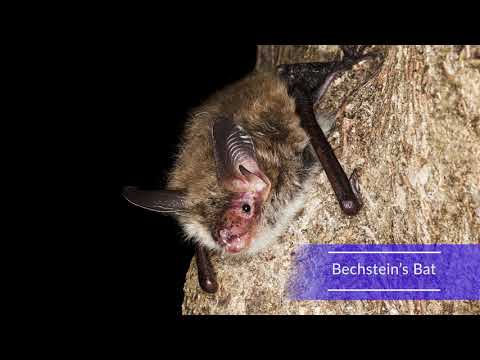
Bats are fascinating creatures that often find their way into man-made structures. Understanding the types of bats you may encounter, why they come indoors, and the benefits they provide to the ecosystem will help you appreciate their presence.
Species Commonly Found in Homes
In many areas, the little brown bat and the big brown bat are the two most common species found in and around homes. Little brown bats are small, usually weighing about 5-14 grams, and they prefer to roost in attics or under shingles. Big brown bats are larger, around 14-22 grams, and are known for their adaptability, often choosing to roost in man-made structures like barns or sheds.
These bats are nocturnal creatures, typically active during the night while they hunt for insects. Their presence in your home can often go unnoticed.
It helps to be aware of their habits so you can manage any encounters properly.
Why Bats Enter Man-Made Structures
Bats seek shelter in man-made structures for various reasons. They look for safe places to roost, especially in warmer months. Attics, chimneys, and eaves are ideal spots. These spaces provide protection from predators and harsh weather conditions.
Additionally, as urban areas expand, natural habitats are reduced, making homes an attractive option. Bats may also enter to find food as they are drawn to the insects often found near lights.
With the right knowledge, you can better navigate any bat encounters.
Benefits of Bats in the Ecosystem
Bats play an important role in maintaining ecological balance. They are key pest controllers, consuming large amounts of insects, including mosquitoes and agricultural pests. This natural pest control can significantly reduce the need for chemical pesticides.
Some bat species also contribute to pollination and seed dispersal. As they feed on nectar, they help plants reproduce by spreading pollen. This service is especially vital for various fruit crops.
By encouraging a healthy bat population, you support an important part of your local ecosystem while benefiting from their pest management and pollination efforts.
Identifying a Bat Infestation

Knowing how to spot a bat infestation can keep your home safe and comfortable. From unusual sounds to droppings, there are clear signs that you can look for to identify these creatures.
Signs of Bat Activity
One of the first signs of bat activity is unusual noises at night. Bats are nocturnal and may make scratching or squeaking sounds coming from your attic or walls.
Another sign is the presence of bat droppings, also known as guano. These small, dark droppings can accumulate in areas where bats roost. Look for brown or black stains on walls and surfaces.
Unpleasant odors may also indicate a bat presence. The smell often comes from decaying guano.
Lastly, if you see bats flying around your house, especially at dawn or dusk, it’s a strong sign there may be an infestation.
Health Risks Associated with Bats
Bats can carry diseases that pose health risks to humans. One of the most serious concerns is histoplasmosis, a lung infection caused by a fungus found in bat guano.
Breathtaking disturbed droppings can put you at risk. Always avoid direct contact with bats and their droppings.
In rare cases, bats carry rabies. If you find a dead bat in your home, it’s crucial to report it to local wildlife control for safe handling.
By being aware of these risks, you can protect yourself and your family.
What to Do If You Find a Bat
If you suspect you have bats in your home, it’s essential to remain calm. Do not attempt to capture or kill the bats yourself, as this can be illegal and dangerous.
First, take note of the activity; try to determine if they are roosting or just passing through.
Seal any potential entry points to your home, but wait until nighttime, as bats tend to leave in search of food during those hours.
It’s best to contact a professional wildlife removal service for safe and humane bat removal. They can also assist in cleaning up guano and preventing future infestations.
Humanely Dealing with Bats

When bats find their way into your home, it’s important to handle the situation with care. Keeping both you and the bats safe is key. Here are some practical options to manage bats humanely and effectively.
Professional Bat Removal Services
If you find a bat in your home, consider reaching out to a wildlife removal service. These professionals are trained to handle such situations safely. They know local laws concerning bat conservation, as many bat species are protected.
A professional will inspect your property to locate entry points and suggest solutions to prevent future visits. They’ll also provide tips on maintaining a bat-friendly environment outside, encouraging these creatures to roost in natural areas instead.
DIY Bat-Proofing Techniques
You can take steps to bat-proof your home yourself. Start by inspecting your house for potential entryways where bats could get in. Common areas include vents, chimneys, and gaps in siding.
Seal any openings with materials like steel mesh or caulk.
Installing a bat house away from your home can give bats a safe place to roost, directing them away from your living space. Planting bat-friendly vegetation can also attract insects they like, providing snacks without invading your home.
When to Call a Wildlife Rehabilitator
Sometimes, bats may need more help than just removal. If you find an injured or sick bat, it’s best to contact a wildlife rehabilitator.
These specialists are trained to care for and rehabilitate bats, ensuring they receive proper medical attention.
Do not attempt to handle injured bats yourself, as they can bite. A rehabilitator will assess the bat’s condition and guide you on the next steps. They can also educate you about the importance of bats in the ecosystem and how to coexist peacefully with them.
Prevention and Coexistence

Taking steps to prevent bats from entering your home and creating safe habitats can help you live harmoniously with these beneficial creatures. Here are some effective approaches to keep bats out while supporting their presence near your property.
Preventive Measures for Homeowners
To prevent bats from roosting in your home, it’s important to seal potential entry points. Check areas such as:
- Venting: Ensure vents have proper screens to block access.
- Chimney: Install a cap that allows smoke to escape but keeps bats out.
- Roofing: Inspect your roof for gaps where bats might enter.
- Eaves: Close off any openings in eaves or overhangs.
Also, be mindful of windows left open at night, which can invite bats inside.
Regularly inspect your siding for cracks and gaps. Sealing these areas with caulk or a similar filler will help create a barrier against bats and other pests.
Installing Bat Houses as Alternatives
If you want to deter bats from your home but still appreciate their benefits, consider installing a bat house. Bat houses offer bats a safe place to roost and can help control insect populations.
When you install a bat house, place it:
- At least 12-15 feet off the ground.
- In a sunny location that gets 6-8 hours of sunlight each day.
- Away from bright lights that can deter bats.
Make sure the bat house has proper ventilation and space for several bats. This encourages bats to stay in the bat house rather than seeking shelter in your home.
Promoting Safe Bat Habitats
You can create a welcoming environment for bats in your yard while keeping them away from your living space.
Planting native flowers and shrubs can attract insect populations, which provide food for bats.
Avoid using pesticides in your garden as they can harm bats and reduce their food sources. Instead, focus on natural pest control methods.
Additionally, leaving areas of your yard undisturbed can promote natural habitats.
If you find bats in your property, consider allowing them to stay until they leave for warmer climates. Just be cautious of bat bugs and take steps for safe removal if needed.


