
Bats are fascinating creatures that play an important role in our ecosystem. If you’ve ever wondered what time of day they are most active, you’ll be intrigued to learn that bats are primarily nocturnal. This means they come alive at night. This is when they venture out from their daytime roosts to hunt for food and socialize with other bats.

As twilight approaches, you might notice the sky alive with these flying mammals. They typically leave their roosts a few hours after sunset and return just before dawn. Understanding their activity patterns can enhance your appreciation for these remarkable animals and help you spot them in action during the night.
Whether you’re a night owl or just have a curiosity about wildlife, knowing when bats are most active can give you a chance to observe their graceful flights and unique behaviors. Embrace the night, and you just might catch a glimpse of these essential contributors to our environment.
Understanding Bat Behavior

Bats are fascinating nocturnal creatures with unique habits that help them thrive. Their activities during the night and their choices for roosting play crucial roles in their survival.
Nocturnal Activities
You’ll often notice bats, like the little brown bat (Myotis lucifugus), becoming active just as the sun sets. They leave their roosts in search of food, primarily insects.
Using echolocation, they navigate through the dark, emitting high-frequency sounds that bounce off objects, allowing them to “see” their surroundings. This skill is essential for catching dinner, as they can detect even the smallest insects.
Their feeding usually lasts about one to two hours, after which they might take short breaks. This allows them to rest before they chase more prey. You might be surprised to know that they also socialize and groom each other during their active hours, strengthening social bonds within their colonies.
Roosting Patterns
During the day, bats seek shelter in various daytime roosts where they can rest and stay safe. These spots can vary, including caves, trees, and buildings. Little brown bats often prefer the safety of wooded areas.
While resting, bats hang upside down, a position that helps them conserve energy and stay hidden from predators. They are highly selective about their roosting spots, ensuring they have the right temperature and safety from threats.
You may find several bats sharing a roost, especially during breeding season. They create colonies that can provide warmth and protection. Understanding their roosting behavior is essential to appreciate how they survive and thrive in their environments.
Bat Activity Through the Day
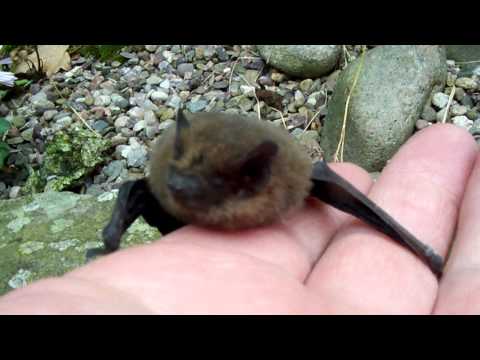
Bats are fascinating creatures with a unique daily routine. They have specific times when they are most active, largely driven by their nocturnal nature. Understanding their patterns can help you appreciate these animals more.
Times of Peak Activity
Bats are most active from dusk to dawn. As night falls, they prepare to leave their roosts to hunt for food. This usually happens about 2-3 hours after sunset.
During these peak activity times, bats can consume a large number of insects, often eating around 1,200 mosquito-sized insects per hour. This amounts to approximately 6,000 to 8,000 insects each night!
Bright lights can affect bat behavior. They often avoid well-lit areas, preferring darker habitats where they can hunt effectively.
Resting During the Day
During the day, bats sleep and rest. They typically roost in dark, sheltered places such as caves, tree hollows, or even attics. This sleep is vital for their health and energy.
While hibernation is common in colder months, daily rest allows them to recharge. It keeps them safe from predators and helps maintain their body temperature.
These nocturnal habits allow bats to be active hunters at night while ensuring they stay safe during the bright hours of the day.
Human and Bat Interactions

Bats play a unique role in our environment and can result in various interactions with humans. Understanding these interactions is important for both their conservation and our safety.
Wildlife Control Measures
In the United States, Canada, and Mexico, people often seek wildlife control measures when bats enter buildings. Issues can arise when bats roost in attics or chimneys.
It’s essential to properly manage bat populations. This can include bat removal by trained professionals. DIY methods can be harmful, as improper handling may disturb bats or lead to unwanted risks, such as exposure to rabies.
Using exclusion techniques is key. This includes sealing entrances and preventing bats from returning. Timing is also critical—avoid removal during maternity season when young bats are present.
Benefits of Bats to the Ecosystem
Bats are crucial insectivores, consuming vast numbers of insects each night. One bat can eat up to 1,200 mosquito-sized insects per hour. This makes them natural pest controllers, benefiting agricultural areas and reducing the need for chemical pesticides.
Bat guano, or droppings, is a nutrient-rich fertilizer that supports plant growth. This offers an added benefit to ecosystems where bats roost.
Protecting bats helps maintain the balance in your ecosystem. Learning about their habits and interactions with humans can help you foster healthy coexistence.


