
Bats are fascinating creatures that play crucial roles in our ecosystems. Many bats primarily feed on insects, fruits, and, in some cases, even nectar from flowers. With various bat species around the world, their diets can be quite diverse.
Some bats are dedicated insectivores, using echolocation to hunt down thousands of insects each night, while others prefer fruits like figs and bananas.
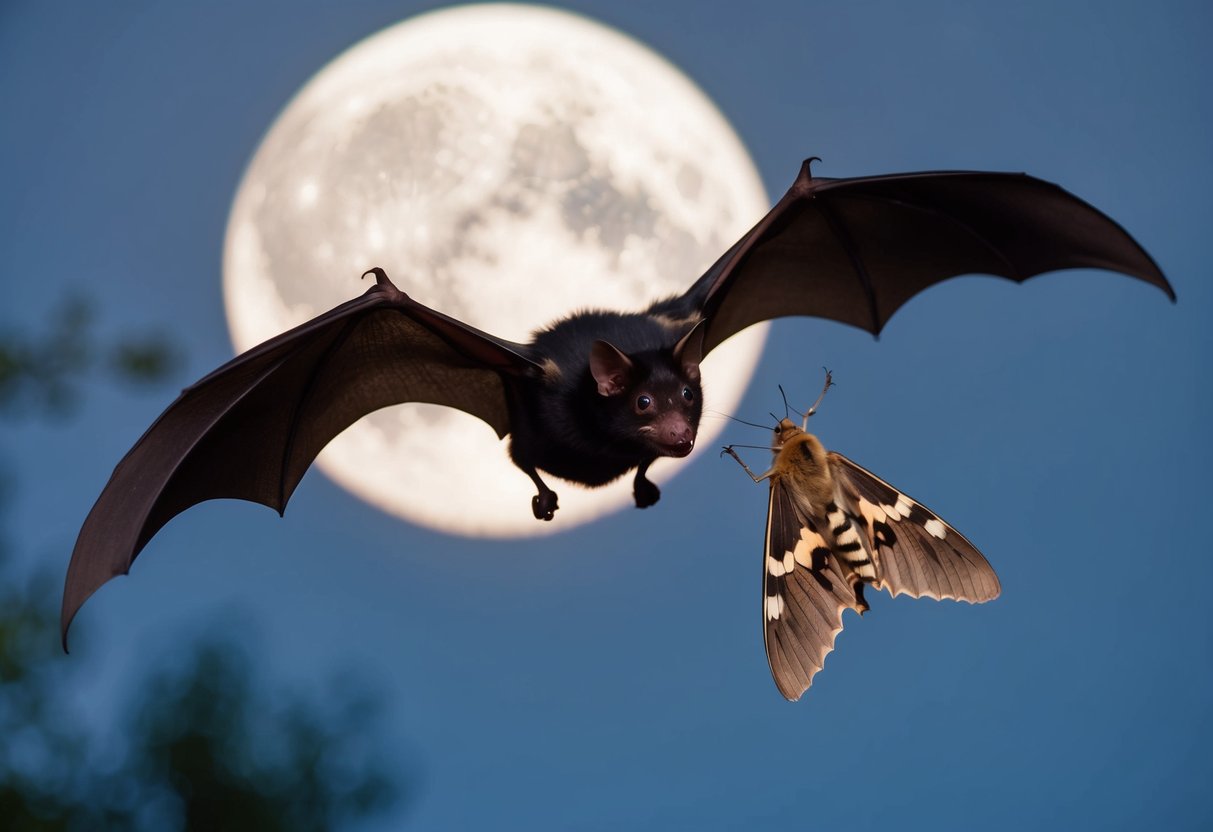
As you explore the different types of bats, you’ll uncover their unique feeding habits and how they contribute to biodiversity. For example, fruit-eating bats help with pollination and seed dispersal, supporting the growth of many plants. This not only benefits their habitats but also enhances the overall health of ecosystems.
Understanding what bats eat can show you how vital they are for the balance of nature. By learning about their preferences and habits, you can appreciate the important roles they play in conservation efforts that protect our planet’s biodiversity. Curious about what specific foods make bats happy? Let’s dive in!
Dietary Habits of Different Bat Species
Bats have diverse eating habits that vary widely among different species. Understanding these dietary preferences can enhance your appreciation for these fascinating creatures and their roles in the ecosystem.
Insectivorous Bats
Insectivorous bats make up the largest group of bats. These little creatures feast on a variety of insects, making them significant for pest control.
Common targets include moths, beetles, and mosquitoes. For instance, the little brown bat can consume thousands of insects in just one night.
Their hunting method involves echolocation, which helps them locate prey in the dark. This ability makes them effective nocturnal hunters, as they can navigate and catch insects while flying at high speeds.
Fruit Bats and Their Preference for Fruits
Fruit bats, also known as frugivorous bats, primarily eat fruit. These bats play a vital role as pollinators and seed dispersers in their habitats.
They enjoy a wide array of fruits, including bananas, mangoes, and figs. By consuming these fruits, they help in the growth of new plants as they spread seeds through their droppings.
The megabats, which are larger fruit bats, have keen eyesight and a strong sense of smell. This helps them locate ripe fruits, ensuring they find the best food.
The Peculiar Diet of Vampire Bats
Vampire bats have a unique diet compared to other bat species. They are specialized feeders that consume blood, which makes them quite fascinating.
The common vampire bat is known for feeding on the blood of larger animals. While this may sound scary, they usually feed on livestock and other mammals without causing serious harm.
These bats have adapted to their diet with sharp teeth that make small incisions on their prey. They also have a special enzyme in their saliva that prevents the blood from clotting while they feed. This unusual diet plays a distinctive role in their ecosystem, despite its oddity.
Ecosystem Roles and Bat Conservation

Bats play crucial roles in ecosystems, making them important for biodiversity. Their activities support plant life and control insect populations, contributing to healthy environments. Understanding these roles can help you appreciate the need for bat conservation.
Pollination and Seed Dispersal
Many bats are excellent pollinators. They visit flowers to drink nectar, transferring pollen in the process. This helps plants reproduce. For example, bats are the primary pollinators of the agave plant, which is essential for making tequila.
Additionally, fruit-eating bats contribute to seed dispersal. When they eat fruit, they excrete the seeds far from the parent plant. This process encourages the growth of new plants and supports forest regeneration. Their efforts enhance biodiversity, creating rich ecosystems with a variety of plant species.
Insect Population Control
Bats are natural pest controllers. They eat large amounts of insects every night, helping to keep insect populations in check. This is beneficial for agriculture and human health. For instance, insect-eating bats can consume thousands of insects in a single night, reducing the need for chemical pesticides.
By curbing pest numbers, bats indirectly support small animals and predators that rely on a balanced food web. This makes them vital for maintaining healthy ecosystems. Understanding their feeding habits helps highlight the importance of protecting these creatures.
Bats and Wildlife Conservation
Bats are an essential part of wildlife conservation efforts. Their presence is often an indicator of a healthy ecosystem. When bat populations decline, it signals potential issues in the environment.
Conservation efforts focus on habitat protection and restoring areas where bats live. This includes preserving forests and wetlands, which are vital for their survival. By protecting bats, you help maintain the biodiversity of these ecosystems, ensuring that both plants and animals thrive in harmony.
Your support of bat conservation can help create a healthier environment for all wildlife. Bats might be small, but their impact is significant.
Bat Feeding Tactics and Adaptations

Bats have unique ways to find food and digest it. Their adaptations allow them to thrive in different environments and make the most of their diets. Let’s explore how these creatures catch their meals and what they eat.
The Use of Echolocation
Bats are famous for their echolocation skills. This ability helps them locate food in the dark. They emit high-frequency sounds that bounce off objects, like insects. By listening to the returning echoes, bats can determine the distance, size, and shape of their prey.
This technique is essential for hunting tiny, fast-moving insects at night. Bats can catch many insects in a single hour. They can consume thousands of insects, making them excellent pest controllers. The use of echolocation not only aids in hunting but also helps them avoid obstacles during flight.
Specialized Diets and Digestive Systems
Different bat species have unique diets, which shape their feeding habits. Most bats, like the little brown bat, primarily eat flying insects. Some bats, such as fruit bats, enjoy nectar and fruit. Their digestive systems are skilled at processing these foods quickly.
Carnivorous bats may eat small vertebrates, such as lizards and frogs. They have special anticoagulant properties in their saliva that help them consume blood from their prey, like in the case of vampire bats. This adaptation allows them to digest food more efficiently.
No matter what they eat, bats have evolved to thrive in their habitats. Each species has developed specific feeding tactics to help them survive and flourish.


