
A bat infestation might seem like a minor issue, but it can become a serious concern for homeowners. Bats can pose significant health risks, including the spread of diseases like rabies and histoplasmosis, which can affect you and your family. When bats invade your home, they can do more than disrupt your peace; they may also damage your property and create unsanitary conditions.

If you notice signs of bats, such as droppings or strange noises at night, it’s essential to act quickly. Ignoring the problem can lead to larger issues down the line.
Understanding the dangers associated with bat infestations can help you take the right steps to protect your home and health.
Staying informed about the risks of bat infestations allows you to make better decisions for your home. As a homeowner, being proactive can save you from costly repairs and health scares.
Understanding Bat Infestation
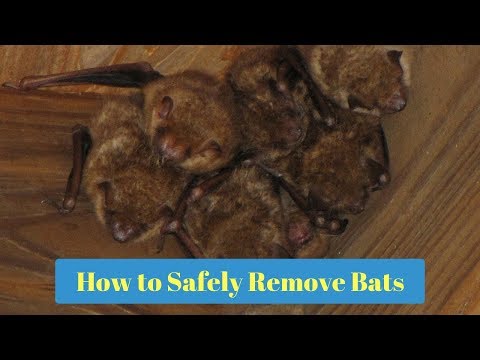
When bats invade your home, it can lead to several issues that you should be aware of. From signs of their presence to the health threats they pose, understanding these factors is important for your safety and peace of mind. Bats also play a unique role in our ecosystem, which is worth noting.
Signs of Bats in the Home
You might notice several signs indicating bats have made your home their roost. One common sign is bat droppings, also known as guano. These droppings can accumulate in places like attics or ledges.
Look for the following clues:
- Noises: High-pitched chirping, especially at dusk or night.
- Odors: A strong, musky smell from their droppings can fill a room.
- Stains: Dark stains on walls or ceilings caused by their droppings.
Identifying these signs early helps prevent bigger problems later, so keep an eye out!
Health Concerns and Risks
Bats can be more than just a nuisance; they pose serious health risks. One major concern is histoplasmosis, a respiratory disease caused by fungal spores found in bat droppings.
Additionally, bats can carry rabies, which can be dangerous if not addressed quickly. Here’s what to know:
- Bat-borne diseases: Bats can harbor several diseases that are harmful to humans.
- Parasites: They may bring fleas, ticks, or mites into your living space.
Take these risks seriously and consider professional removal services if you suspect an infestation.
Ecological Importance of Bats
While bats can cause issues in your home, they also play crucial roles in our ecosystem. Bats are pollinators and help control insect populations.
Here are a few benefits they provide:
- Pest control: A single bat can eat thousands of insects in a night.
- Pollination: Some bats help pollinate plants and crops, supporting local agriculture.
Understanding their ecological importance can help maintain a better balance in nature while ensuring your home stays safe and healthy.
Dealing With Bat Infestation

Dealing with a bat infestation requires careful action. You can choose professional help for safe removal and take preventive measures to keep these animals from returning. Let’s explore these options.
Professional Bat Removal Services
When faced with a bat infestation, enlisting the aid of professional bat removal services is crucial. These experts know how to handle bats safely and efficiently. They can assess the situation, identify where the bats are roosting, and create a plan for removal.
The professionals often use humane methods, like live catch-and-release. After removing the bats, they will also clean up any waste. This is important because bat droppings can carry health risks.
Always choose licensed and experienced companies to ensure your safety and peace of mind.
Sealing Entry Points and Preventive Measures
After removal, sealing entry points is key to preventing bats from returning. Inspect your home for any gaps, holes, or cracks. Bats can enter through surprisingly small openings, so check areas like:
- Attics
- Chimneys
- Vents
- Eaves
Consider using materials like heavy-duty mesh or caulk to seal these gaps. Additionally, installing bat houses nearby can provide an alternative home for bats. This encourages them to stay away from your house while allowing you to benefit from their insect control.
Regular maintenance and inspections can help keep your home bat-free. Taking these preventive measures protects your home and your family from potential health risks associated with bat infestations.
Aftermath and Prevention

Dealing with a bat infestation requires careful attention to cleaning and preventing future issues. Proper measures will help ensure your home remains safe and comfortable.
Cleaning and Health Measures
After bats have been removed, it’s crucial to clean the areas they’ve occupied. Bat guano, their droppings, can pose health risks, including histoplasmosis, a serious respiratory disease.
To clean up, wear gloves and a mask to protect yourself. Use a disinfectant suitable for removing odors and harmful pathogens. Make sure to dispose of droppings in bags.
Be cautious of ammonia odor, which can be strong in areas with large amounts of guano.
Once the area is cleaned, ventilate it by opening windows to dissipate any remaining odor. If noise disturbances from bats or their activity have been an issue, consider soundproofing options. Addressing these problems promptly can reduce the chance of secondary infestations by other pests attracted to the area.
Preventing Future Infestations
Preventing future bat infestations starts with sealing all entry points.
Inspect your home for cracks and openings, especially around roofs, chimneys, and walls. Using caulking or screens can effectively block access.
Regular maintenance is also essential.
Keep your property clean and free of debris that may attract bats. Consider installing bat houses away from your home. This gives them a safe place to roost without invading your space.
Be aware of local wildlife protection laws, as some bat species are protected. Understanding these regulations can help you make informed decisions if bats return.
Taking these proactive steps ensures your living space remains free from nocturnal creatures and the complications they bring.


