
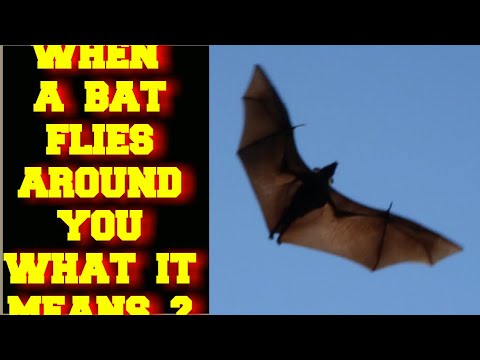
When you see a bat swooping near your head, it can be a startling experience. Many people believe that bats are out of control or even trying to attack. But in reality, bats are not flying at you to cause trouble; they are hunting insects that are attracted to your body heat. This common misconception leads to fear, but understanding the truth can help ease your worries.

Bats are skilled flyers, often zipping through the air to catch their prey. They use echolocation, which allows them to navigate and hunt effectively, even in the dark. So, if a bat comes close, it’s likely just after a pesky mosquito or other bugs buzzing around you. Knowing this can change how you perceive these fascinating creatures.
The next time you spot a bat flying around, remember that they are not trying to swoop down on you, but rather going after their dinner. With this perspective, you can enjoy watching these unique animals without the fear of them getting too close.
Understanding Bat Behavior

Bats have fascinating behaviors that might seem strange, especially when they fly close to you. Their actions are not random; they are based on their unique methods of navigating and hunting at night.
The Science of Echolocation
Bats use a special ability called echolocation to find their way and hunt for food. They emit high-pitched sounds that bounce off the objects around them. This echo helps them “see” their surroundings, even in complete darkness.
When you see a bat swooping near your head, it’s likely chasing insects. Bats can eat hundreds of mosquitoes in a night! Their echolocation is so effective that they can detect tiny objects, ensuring they avoid hitting you.
Reasons Behind Swooping Habits
Bats often fly near people, which can seem alarming. They do this for a couple of reasons. First, they might be chasing after flying insects that are near you.
Since bats are very social and curious, they are not trying to frighten you. They are simply focused on catching their dinner. The swooping movements help them track their prey and adjust their flight path quickly.
Nocturnal Activity and Its Implications
Bats are nocturnal creatures, meaning they are active at night. This nighttime behavior helps them avoid many predators and reduces competition for food.
By flying when it’s dark, bats can effectively hunt insects that are also out at night. Their eyes may be small, but their ability to navigate using echolocation makes them skilled hunters in the dark.
So, while it may feel like a bat is flying right at your head, it’s really just trying to do its job.
Health and Safety Concerns
When interacting with bats, it’s important to understand health and safety risks. Bats can transmit diseases and cause other health issues. Being aware of these risks can help you take the right precautions.
Rabies and Other Transmissible Diseases
Rabies is a serious virus that can be transmitted through bat bites. If a bat bites you, seek medical attention immediately. Rabies can be fatal if untreated. It’s important to wash the wound with soap and water, then visit a healthcare professional for evaluation.
Besides rabies, bats can carry other diseases. Histoplasmosis, for instance, is caused by a fungus found in bat droppings, or guano. This can affect your lungs if inhaled, especially when cleaning areas with bat guano. Always take precautions if you suspect bats are nearby.
Preventing and Treating Bat Bites
To prevent bat bites, avoid direct contact with bats. If you notice a bat in your home, contact a wildlife control expert. They can safely remove the bat without harm.
If you do get bitten, clean the area with soap and running water. This minimizes the risk of infection. After cleaning, see a health professional for advice on rabies shots and possible treatments. Ignoring a bat bite can lead to serious health risks.
Histoplasmosis and Guano-Related Health Risks
Histoplasmosis is a fungal infection linked to bat guano. When guano dries, the spores can become airborne and can be inhaled. This can lead to flu-like symptoms such as fever and cough.
To avoid exposure, wear masks and gloves when cleaning bat droppings. Limit the time spent in areas with heavy guano deposits. Regularly check for signs of bat activity in your home and take steps to seal any openings to keep bats out.
Conservation and Coexistence

Bats are fascinating creatures that play key roles in ecosystems. You can support these important animals through conservation efforts and by learning how to coexist peacefully with them.
Bat Conservation Efforts
Many organizations are working hard to protect bats’ habitats. These groups focus on preserving roosting sites and reducing pesticide use. Since bats help control insect populations, limiting pesticide application is crucial. Participating in local bat conservation initiatives can make a big difference.
Planting native plants, using bat houses, and promoting awareness about bats’ benefits can all help. You may consider joining local workshops or volunteering for bat monitoring projects. Every action counts, and your involvement can lead to a healthier ecosystem.
How to Attract Bats for Natural Pest Control
Attracting bats to your yard is easier than you think. Start by installing a bat house. It should be placed at least 15 feet high in a sunny spot, ideally facing south or southeast.
Consider these tips:
- Use untreated wood to build your bat house.
- Avoid strong smells and chemicals that can deter bats.
- Plant night-blooming flowers to attract their food sources, like insects.
You can even plant bat-friendly plants that attract pollinators. This creates a welcoming environment and brings more natural pest control to your property without using chemical deterrents.
Responsible Human-Bat Interactions
Understanding how to interact responsibly with bats is important. Enjoy watching them at dawn and dusk, but give them space. Avoid handling bats unless trained, as they can carry diseases.
If a bat enters your home, stay calm. Open windows and doors to help it exit safely. You can also use essential oils like peppermint to deter bats from entering your space.
Being aware of local bat species and their needs can foster coexistence. By learning about these creatures, you can appreciate their role in nature while ensuring your home remains bat-friendly.
Types of Bats and Their Behaviors

Bats are fascinating flying mammals belonging to the order Chiroptera. They play important roles in various ecosystems, with many having unique behaviors that set them apart. Let’s look at some specific bat types and their intriguing behaviors.
Vampire Bats and the Myths Surrounding Them
Vampire bats are often misunderstood. These bats feed on the blood of other animals, primarily livestock. Despite their reputation, they don’t attack humans. Rather, they use their sharp teeth to make small incisions while the host sleeps.
Many myths suggest they can drain a creature completely dry, but this is false. In reality, they consume only a small amount of blood. Vampire bats also exhibit social behavior; they often share food with other bats that are in need. This sharing helps create bonds within their colonies and supports bat conservation efforts.
The Role of Fruit Bats in Ecosystems
Fruit bats, also known as flying foxes, are crucial pollinators and seed dispersers. They predominantly feed on fruits, nectar, and flowers, which makes them vital for many plants. When they consume fruit, they help spread seeds across large distances, promoting plant growth.
These bats are not just foragers; they play a significant part in maintaining the health of forests and ecosystems. As they travel, they help pollinate flowers, leading to the growth of new plants. This is important for biodiversity and for keeping our environments healthy.
Bat Species Comparison
When comparing bat species, two main groups stand out: microbats and megabats. Microbats are typically smaller and are often insectivorous, feeding on insects like mosquitoes. In contrast, megabats, including fruit bats, are larger and mostly eat fruits or nectar.
Here’s a quick comparison:
| Type of Bat | Size | Diet | Key Behaviors |
|---|---|---|---|
| Microbats | Small | Insects | Echolocation |
| Megabats | Large | Fruits and nectar | Pollination and seed dispersal |
Understanding these differences helps you appreciate the vital roles that bats play in your local ecosystem. Each species has unique traits and behaviors that contribute to the balance of nature.


