
Bats can sometimes find their way into your home, and you might wonder what to do about it. In most cases, you should remove bats humanely rather than trying to get rid of them on your own. While these creatures can help control insect populations, having them in your house can pose health risks, especially if they carry diseases like rabies.
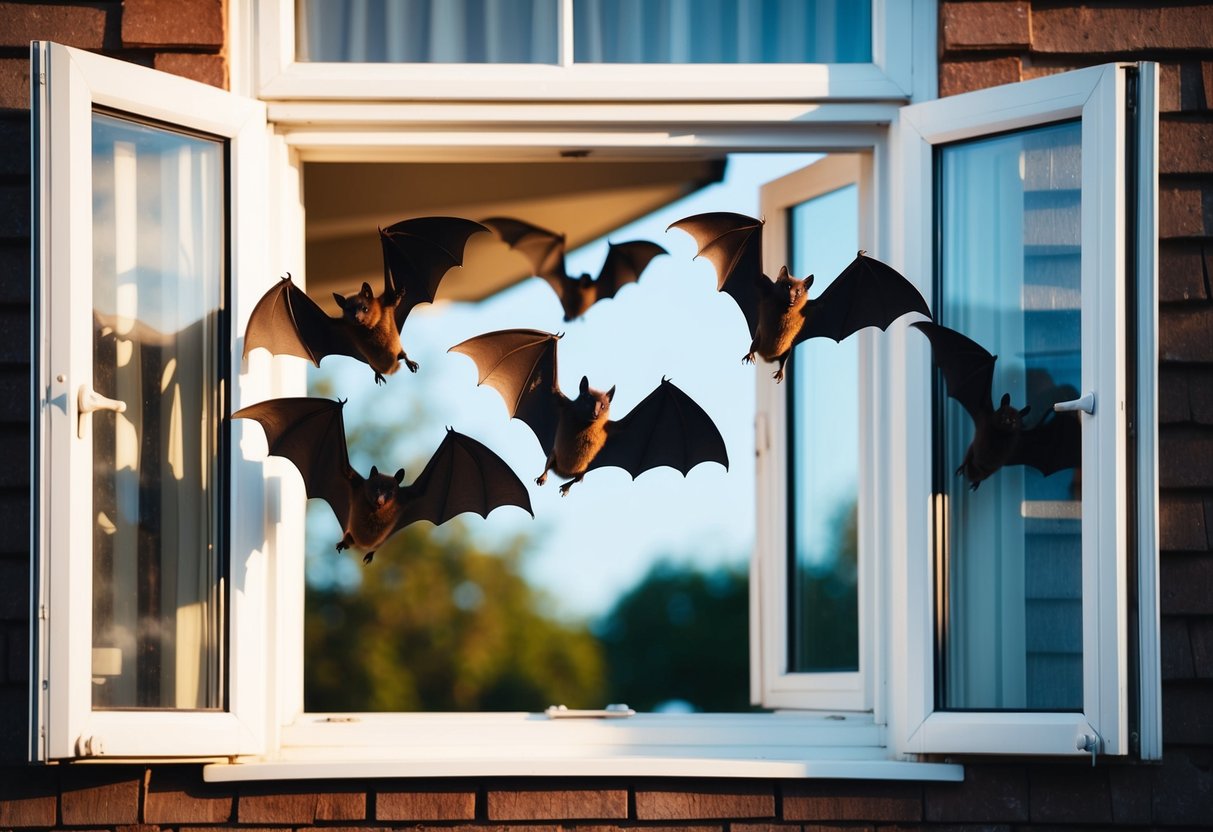
Knowing how to handle a bat situation can save you from unnecessary worry. It’s important to approach this calmly and safely, taking the right steps to ensure both your safety and that of the bat.
As you read on, you’ll discover the best methods for removing bats safely and preventing them from returning.
Understanding Bats and Their Behavior
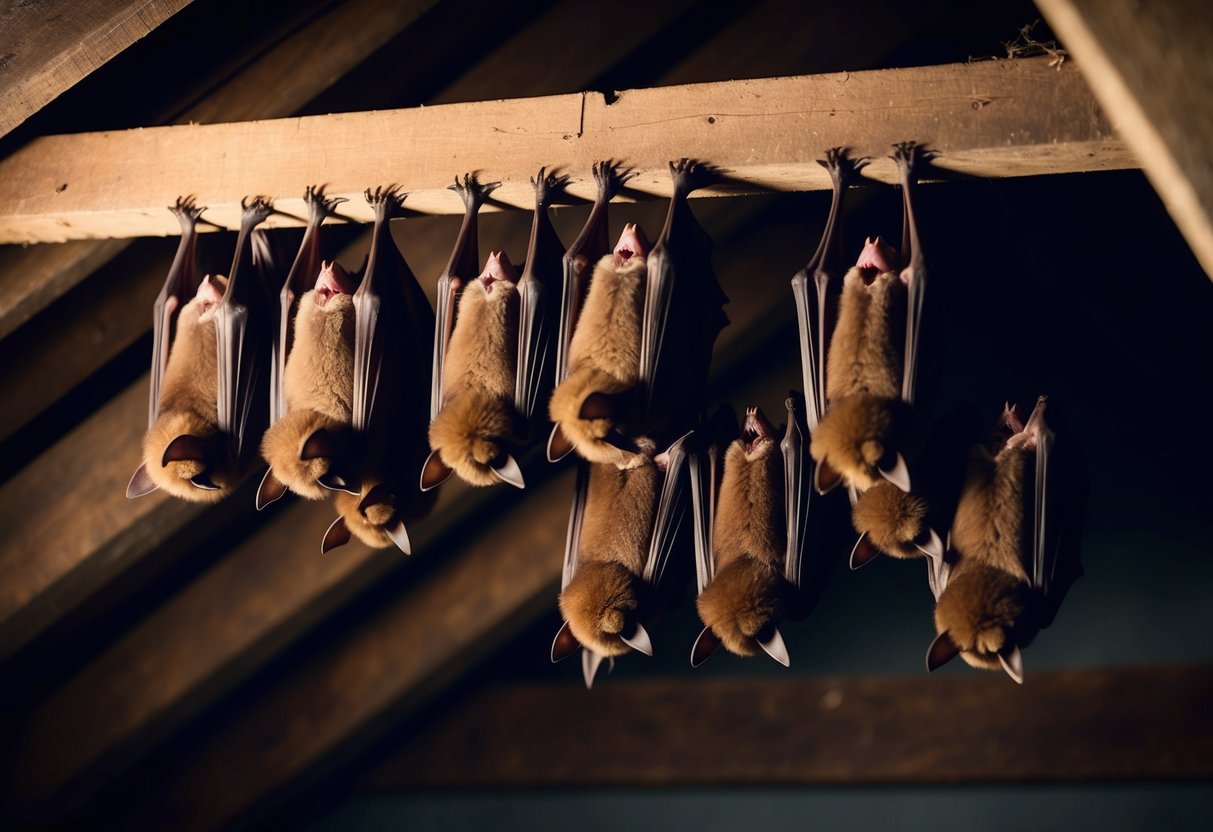
Bats play important roles in nature, yet many people don’t know much about them. Learning about different bat species, their habits, and how they navigate can help you understand the benefits they offer and why they sometimes end up in your home.
Importance of Bats in the Ecosystem
Bats are vital for the ecosystem. They help control insect populations, eating thousands of pests each night. This natural pest control reduces the need for chemical pesticides in your garden.
Fruit-eating bats also aid in pollination. As they feed on nectar, they carry pollen from one flower to another, which helps plants reproduce. Bat droppings, known as guano, enrich the soil, making it beneficial for crops.
Common Bat Species in Homes
In North America, several bat species may enter your home. The big brown bat is one of the most common. They like to roost in attics and wall spaces. They are easy to spot due to their large ears and wingspan.
The little brown bat is another frequent visitor. Often found in larger colonies, they thrive in urban areas. You might also come across the Mexican free-tailed bat, known for their fast flying and long migrations.
These species are usually harmless, but it’s still important to know they’re there.
Bat Echolocation and Roosting Habits
Bats use echolocation to navigate and find food. They emit high-frequency sounds that bounce off objects. By listening to the echoes, bats can determine the location and size of insects or obstacles in their way.
Regarding roosting, bats prefer dark, sheltered spaces. You might find them hanging upside down in attics, hollow trees, or under bridges. They often return to the same roosting spots year after year, especially during mating season or winter hibernation.
Health Risks and Structural Concerns
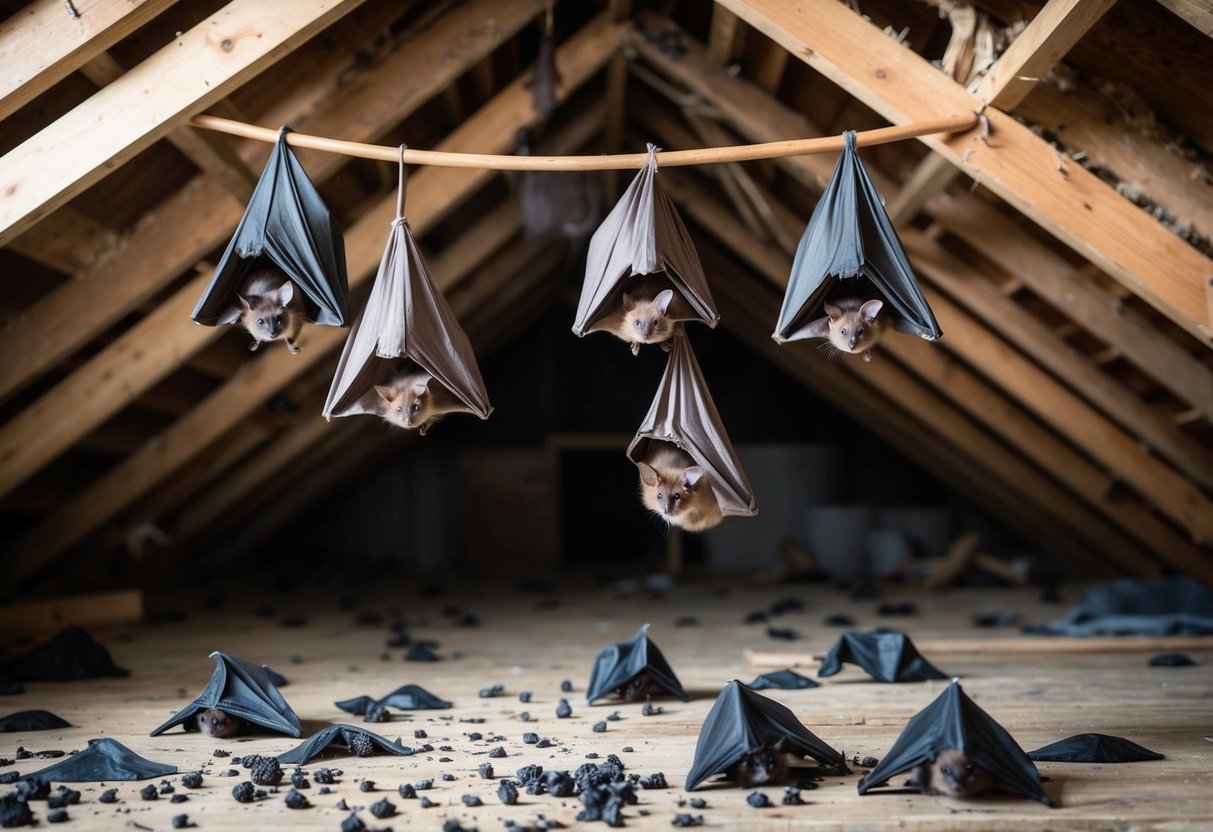
Bats in your home can bring serious health issues and cause damage to your property. Understanding the risks helps you make informed choices about managing a bat problem.
Diseases Associated with Bats
Bats can carry different diseases that pose risks to humans. One of the most concerning is rabies. This viral illness can be transmitted through bites or scratches. Although the number of rabies cases from bats is low, the seriousness of the disease makes it important to be cautious.
Another risk is the possibility of contracting histoplasmosis, a respiratory illness. This condition can arise from inhaling spores from bat droppings, known as guano. Although the disease is rarely fatal, it can lead to ongoing health problems if not treated.
Bat Guano and Histoplasmosis
Bat droppings, or guano, can accumulate quickly if bats infest your home. This accumulation leads to several issues. The main concern is histoplasmosis.
When guano dries out, it can release spores into the air. Inhaling these spores can result in respiratory problems, especially for those with pre-existing health conditions.
Beyond health risks, bat droppings can also cause structural issues. Moisture from guano can lead to mold growth. This can affect air quality and lead to costly repairs.
Potential Damage to Homes
Bats can cause significant structural damage to your home. They often enter through small cracks and crevices. Once inside, they may chew on materials like wood, wires, and insulation.
If left unchecked, bat infestations can lead to costly repairs. Guano can damage attic insulation and encourage mold growth. Over time, this can compromise the structural integrity of your home.
Taking action early can prevent these risks. Whether it’s sealing entry points or contacting professionals, addressing the problem promptly is essential to protect your home.
Safe and Legal Bat Removal

When considering bat removal, it’s essential to follow safe practices that protect both you and the bats. Understanding the right timing and legal requirements is crucial. By being informed, you can make a wise decision about how to handle bats in your home.
When to Remove Bats
The timing of bat removal is very important. You should avoid removing bats during their maternity season, which runs from June 1 to July 31. During this time, female bats are raising their young, and disrupting them can be harmful.
Ideally, you should consider removal during the late summer or early fall months. This timing is better for the bats and aligns with your need for a safe home. If you need to get rid of bats during colder months, be mindful of their hibernation period, which is November 1 to March 31.
Protection for Human and Bat Populations
Bats are often protected species under local wildlife laws. These regulations aim to preserve bat populations, which provide essential benefits, such as pest control. Bats consume insects, helping to keep pest numbers down in your area.
When considering removal options, it’s vital to wear protective gear. This includes gloves, masks, and goggles to protect yourself from potential diseases like rabies.
Always check with your local wildlife agency for the legal requirements around bat removal in your area. Understanding these laws will ensure you comply and help both humans and bats stay safe.
Professional Bat Removal Services
Hiring professional bat removal services can be a good choice for your situation. These experts understand local laws and have the specialized training to manage bats safely.
They can help you identify entry points, provide effective removal strategies, and offer bat control solutions that avoid harming the animals.
Using professionals not only ensures that the removal is legal, but it also helps prevent future infestations. Many animal control services can assist by sealing entry points and advising you on keeping bats away. This approach saves you time and effort while ensuring compliance with regulations.
Preventing Future Bat Infestations

Taking steps to prevent future bat infestations is essential for keeping your home safe and comfortable. You can avoid these unwelcome guests by focusing on entry points, using proper exclusion devices, and providing alternative habitats for bats.
Securing Entry Points
Bats can squeeze through tiny gaps, so it’s vital to secure all entry points. Conduct a thorough bat inspection of your home, checking for openings around vents, chimneys, and eaves.
Use materials like caulk, wire mesh, or foam sealant to seal entry points. Pay special attention to areas like cracks in walls or gaps in siding. Make sure to also inspect your roof for holes where bats might enter.
If you’ve had a bat infestation, don’t forget to clean up any bat guano left behind, as it can attract other pests and pose health risks.
Exclusion Devices and Techniques
Utilizing exclusion devices can effectively keep bats out. One common method is the one-way bat valve, which allows bats to exit but not re-enter. You can install this device over vents or holes to help with exclusion.
Another technique is to use ultrasonic bat deterrents, which emit sounds that are unpleasant to bats. Place these devices in your attic or near potential entry points to make your home less appealing.
Always remember to install these devices at dusk, as bats are more active during this time. Regularly check your home for new entry points as the seasons change.
Alternative Bat Habitats
Providing alternative habitats for bats can help keep them from invading your home. Bat houses are an excellent option that can attract bats to a designated area away from your living space.
Place these bat houses at least 12 feet off the ground in a location that receives plenty of sunlight. Be sure to avoid areas with heavy human activity. This way, bats have a safe place to roost without interfering with your home.
Encouraging bats to roost elsewhere means they have less reason to find entry points into your space. You can enjoy the benefits of having these natural pest controllers nearby while keeping your home bat-free.


