
Curious about when deer actually settle down for the day? Maybe you want to spot them, hunt smarter, or just get a better sense of their routines. Most deer pick their bedding spots sometime in the late morning to mid-afternoon—usually between 11 AM and 4 PM. Of course, that timing isn’t set in stone. It shifts with the season, weather, and how much they’re getting bothered. Knowing that window helps you figure out when to scout or when to steer clear, depending on what you’re after.
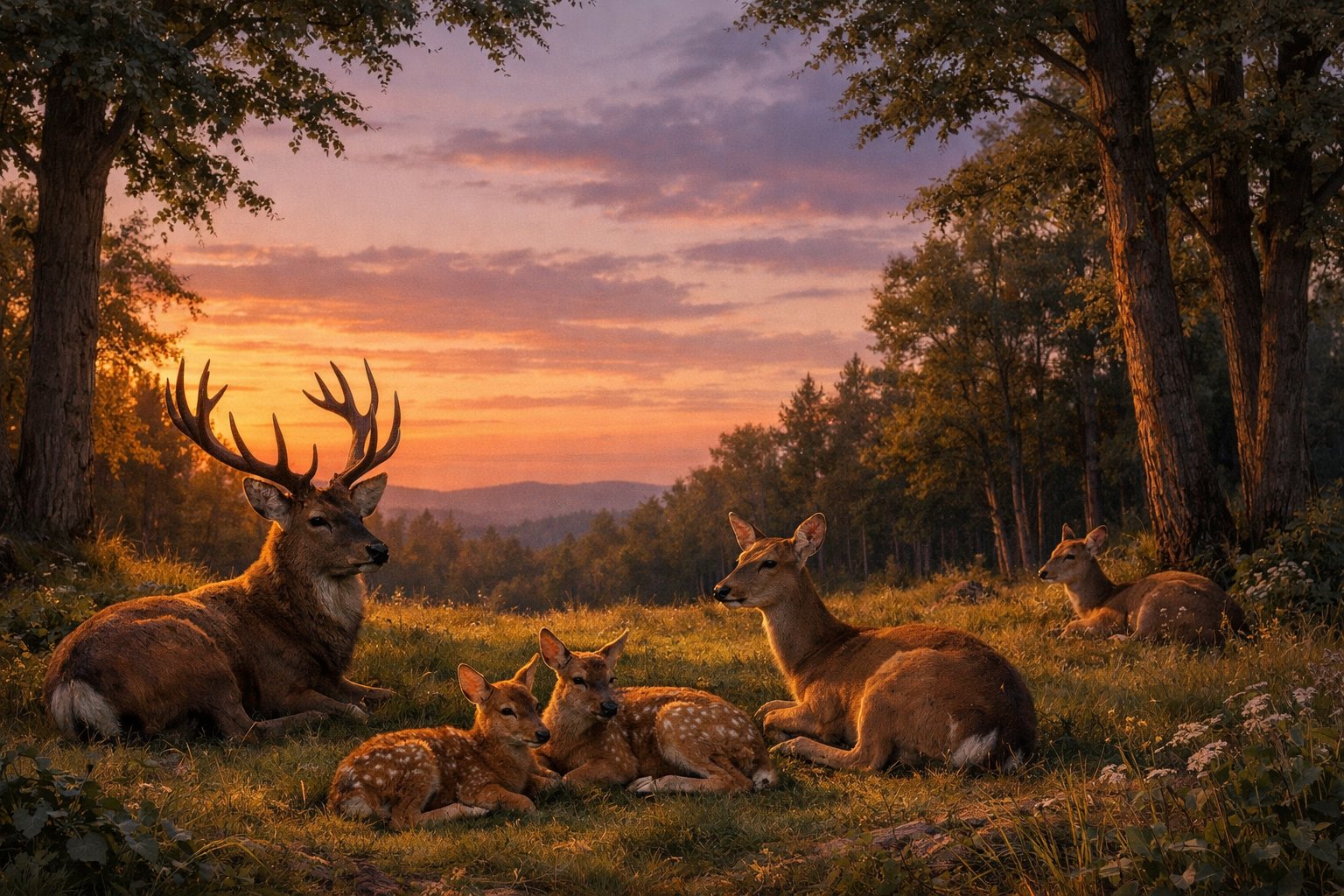
Let’s talk about where and how deer pick their spots. They love dense cover, south-facing slopes when it’s cold, or any cool shade in the heat. A bunch of things can make them change it up, though. If you want to find bedding areas or just match your timing to deer habits, stick around—there are some practical tips ahead.
When Do Deer Go to Bed?

Deer spend the brightest part of the day resting. They tend to get moving the most at dawn and dusk.
You’ll usually catch them bedding down in the middle of the day. That’s when they digest food, stay hidden, and save energy.
Typical Bedding Times for Deer
Deer settle in after their morning feeding, most often between 10:00 a.m. and 2:00 p.m.
This midday downtime helps them ruminate and dodge the heat or any daytime commotion.
You might also spot them taking short naps or just loafing in thick cover late morning or early afternoon.
They like to keep their beds close to where they eat, so they don’t have to wander far when they get up.
If you’re in an area with a lot of people around, deer push their bedding later or just become more nocturnal.
Where hunting or disturbance is heavy, they might shift their classic midday rest—or cut it short.
Crepuscular Activity and Daily Patterns
Deer are crepuscular. That’s just a fancy way of saying you’ll see them moving most at dawn and dusk.
They usually leave their beds before sunrise to feed, then return after it gets light—or sometimes a bit later in the morning.
At dusk, they head out from their day beds to evening feeding spots and water.
This pattern just keeps looping: feed when it’s dim, bed when it’s bright, then feed again as the light fades.
If you’re tracking deer, focus on the 30–90 minutes around sunrise and sunset.
Those are the golden windows when they move between beds and food.
Factors Influencing Deer Bedding Time
Temperature plays a big role. Hot afternoons send deer to shady beds, while cold days have them picking sunny, sheltered spots.
Wind direction matters too. Deer usually lie down with the wind at their back so they can smell what’s coming from downwind.
As the seasons change, so does their timing. In winter, deer bed more to save energy. Spring and fall bring shifts as food comes and goes.
When hunting pressure or predators show up, deer get creative—sometimes going more nocturnal or picking trickier spots.
Habitat really makes a difference. They prefer thick brush, conifers, or tangled downed trees.
If you want to find beds, start looking within 200–400 yards of food sources and stick close to cover that offers both hiding and a quick escape.
How and Where Deer Bed Down

Deer pick bedding spots that help them stay safe, close to food, and comfortable in whatever weather’s happening. Where do they hide out? How do bucks and does differ? Seasons shake things up, too. If you want to spot a bed in the wild, you’ll need to know these tricks.
Deer Bedding Areas and Location Preferences
Deer like beds in thick stuff that breaks up their outline. Check out cedar thickets, young woods, tall grass, or dense briars within 50–300 yards of feeding spots or water.
They want escape routes—multiple ones—so they can bolt if something sneaks up.
Wind direction? That’s key. Deer often lie down with wind at their back, letting scents blow away from their nose.
They also go for little rises or dips that keep them dry but hidden.
Thermal needs matter, too. In winter, they look for sunny edges. When it’s hot, they move to shaded hollows.
You’ll have your best luck finding bedding on the downwind side of cover near food.
Bedding Habits of Whitetails and Bucks
Whitetail does often bed near their fawns and stick together for safety. You might find several does bedded within 30–100 yards of each other, especially in thick brush.
Does choose spots that let them grab a snack fast and hide their young.
Mature bucks usually pick out more secure, solitary beds. Bucks set up their own bedding spots during the day and head to feed at night.
During the rut, bucks get restless, bed less, and follow does or check out new scent-marked areas.
Both bucks and does reuse good beds for weeks if nobody bothers them.
Bucks leave more rubs and scrapes near their favorite beds. If you spot those signs, you’re probably close to a buck’s territory.
Environmental and Seasonal Bedding Influences
Season, weather, and daylight all shake up bedding habits. In cold months, deer bed in sunny, sheltered spots to save energy and stay warm.
Hot weather sends them to cool, shaded hollows or closer to water.
If predators or people are around, deer bed deeper in cover or shift to being more active at night.
After heavy rain or storms, they pick higher, drier spots.
During the rut, their movement ramps up and bedding gets less predictable—bucks especially start covering more ground and using short-term beds.
Moonlight and farming cycles can change things too. When crops get harvested, deer often bed closer to stubble fields and edge habitat since food is suddenly right there.
Identifying Deer Beds in the Wild
Deer beds usually look like oval-shaped depressions pressed into grass or leaves. Most of the time, you’ll spot a single bed about 12–30 inches long, with a smooth, worn patch where the animal rested.
You might notice the edges where vegetation got pushed down. In softer soil, sometimes you’ll even catch a shallow, almost regimented outline.
Check for other clues nearby. You’ll often find deer tracks, droppings, or a narrow trail leading right to the bed. Sometimes, you’ll see a line of old bedding spots heading toward feeding areas.
Bucks tend to leave rubbed saplings or antler marks just a few yards from their beds. Honestly, it’s pretty neat how obvious those signs can be if you know what to look for.
I like to use a checklist: wind direction, how thick the cover is, possible escape routes, and how close the bed sits to food sources. If those line up, you’re probably looking at a solid bedding area.
If you’re hoping for photos or data, try approaching from upwind and keep your distance. Spooking the deer can make them ditch the spot for good, which nobody wants.
Curious about when deer actually bed down? There are some detailed studies out there that dig into what time deer bed down during the day.


