
You might expect one animal to top the list, but honestly, it depends a lot on where you are and what deer species you’re talking about.
Across most of North America, wolves and mountain lions usually claim the top spot as predators of adult deer. Coyotes, bears, and alligators also play big roles in certain areas, especially when it comes to fawns.
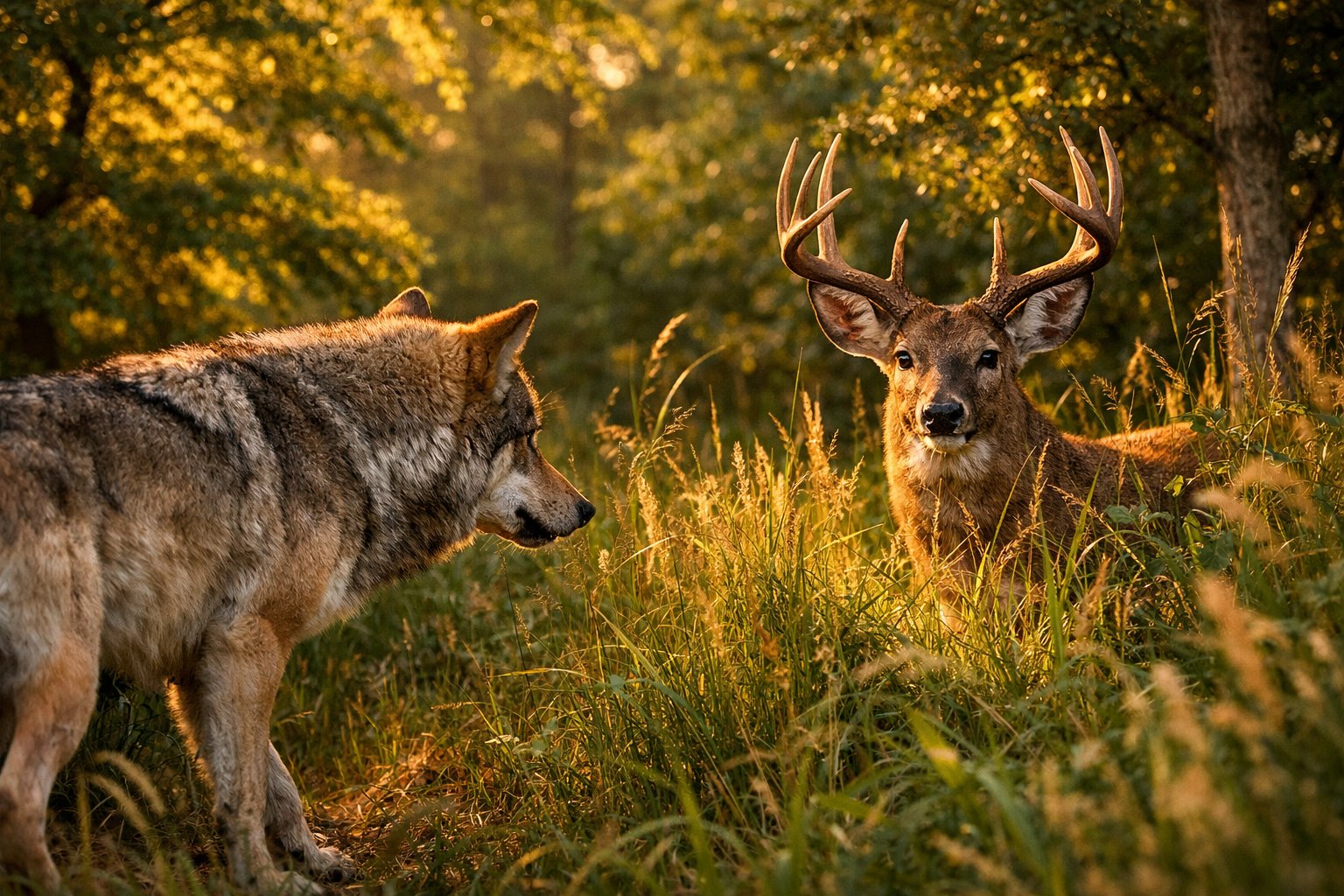
As you move through different habitats, the balance shifts.
Pack hunters like wolves dominate big open northern ranges.
Mountain lions, who hunt solo, rule the rougher western lands.
Opportunists like coyotes or bears go after young or weak deer the most.
Let’s dig into how each predator hunts, where they matter most, and what really shapes deer populations in different places.
If you want to know which predator matters most where you live, stick around.
The next sections break down top predators, seasonal risks, and some lesser-known regional threats so you can match predator behavior to your own backyard or hunting area.
Top Predators of Deer
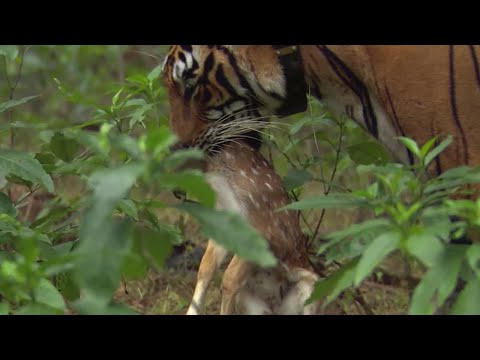
Deer deal with a handful of main predators that really shape their numbers and behavior.
Each one hunts differently, targets different ages, and has its own impact depending on where you live.
Wolves: Apex Pack Hunters
Wolves (Canis lupus) hunt in coordinated packs, which lets them bring down adult deer.
You might see wolves working together to chase, flank, and wear out a deer over long distances.
They usually go after weaker animals — the old, sick, or young — which helps weed out less fit deer.
Wolves don’t just reduce numbers; they change how deer behave.
Deer living near wolves shift their feeding times and stick to thicker cover, avoiding open fields.
When gray wolves return to an area, deer populations and their browsing pressure on forests can drop, which gives plant communities a break.
If you manage land, keep in mind that wolves affect where deer hang out more than how many there are in some places.
Wolves also compete with coyotes and bobcats for fawns, but their pack tactics and bigger size make them the main threat to adult deer in a lot of regions.
Mountain Lions: Solitary Ambush Specialists
Mountain lions (Puma concolor) hunt alone, relying on stealth and surprise.
You’ll usually find them in rugged, forested, or brushy terrain where they can hide near trails and bedding spots.
A single puma can kill an adult deer by sneaking up close and going for a fatal bite to the neck.
Cougars mostly take adult deer and older fawns.
They often stash their kills and come back to feed, so you might spot a carcass tucked away under cover.
Since they hunt solo, mountain lions don’t drop deer numbers across huge areas the way wolf packs can, but they do change where deer feel safe.
Mountain lions overlap with bobcats when it comes to fawns, but their size and strength let them handle full-grown deer.
If you live in cougar country, deer might stick to steeper or more open ground to avoid ambush, which could affect where you see deer or set up feeders.
Bears: Opportunistic Carnivores
Bears — black bears and grizzlies — take deer when they get the chance.
You’ll see them target fawns in spring, when newborns are easy pickings.
Bears also scavenge deer carcasses and will kill weakened adults if they get the opportunity.
Black bears usually hunt in forests and along edges, while grizzlies can take bigger prey and might push other scavengers off a carcass.
Bear predation changes with food supply.
If berries or salmon are plentiful, bears eat less deer.
When other food runs short, bears turn to fawns and carrion.
If you manage habitat, bear presence matters most during fawning season.
Protecting fawning cover and keeping carcasses away from den sites can help reduce bear-deer encounters.
Humans: The Dominant Predator
You, as a hunter or land manager, have the biggest impact on deer populations.
Hunting removes adults and fawns, often at much higher rates than any natural predator.
Human actions shape habitat through land use, which can push deer numbers up or down.
Vehicles kill tons of deer every year, and development chops up habitat, forcing deer into smaller patches where predators and car collisions become bigger risks.
Tools like regulated hunting seasons, population surveys, and habitat work let you control deer density and help manage problems like overbrowsing or disease.
As a predator, you set the goals — maybe you want more deer for hunting, fewer collisions, or healthier forests.
That control really makes humans the main driver of deer populations in most of North America.
Other Notable Predators and Regional Threats
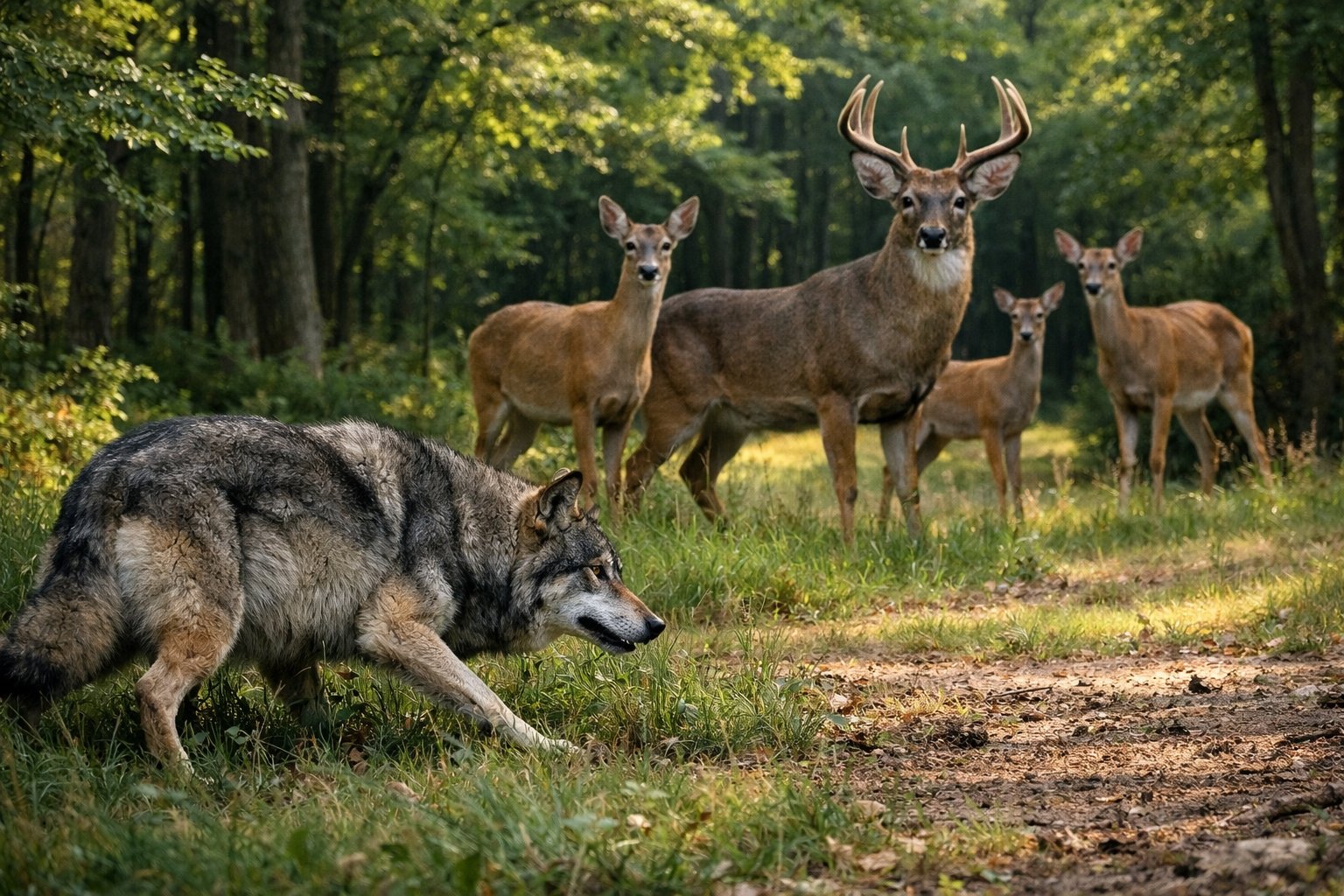
Deer deal with a bunch of other predators that change by region and season.
Some go after fawns more, while others target adults or scavenge what’s left behind.
Coyotes and Coyote Predation
Coyotes (Canis latrans) show up all over North America, hunting alone or in pairs, though they’ll form small packs when food’s easy to find.
They focus on fawns in spring and early summer, when young deer can’t run or hide as well.
You might spot coyotes near woods, fields, or even suburban edges where deer feed.
They’ll also kill sick or injured adults, especially during rough winters or deep snow.
Coyotes rely on stealth and stamina, not brute force.
They’ll stalk, rush, and go for the neck or belly.
High coyote numbers can really bump up fawn mortality.
Coyotes also scavenge carcasses, drawing in vultures and other scavengers that spread remains around.
Bobcats, Lynxes, and Small Carnivores
Bobcats (Lynx rufus) and other small carnivores mostly take fawns, but sometimes they’ll kill yearlings or weak adults.
You’ll usually find their handiwork near thick cover where fawns hide.
Bobcats hunt by ambush, waiting quietly in brush and then pouncing on a nearby fawn.
Their kills leave small bite marks and are often hidden in dense vegetation.
Other small predators — like foxes, fishers, and birds of prey — also put pressure on fawn survival.
Eagles and big hawks sometimes grab very young fawns, and foxes may take neonates.
These predators matter most where cover is sparse or where human activity makes fawns easier targets.
Alligators and Other Opportunistic Hunters
In the wetlands and along riverbanks of the southeastern U.S., American alligators sometimes kill deer that wander down to drink or swim. If you look closely, you might spot drag marks in the mud—evidence that an alligator pulled a deer into the water.
These attacks happen most often in summer and fall. That’s when deer tend to visit wetlands more frequently.
Alligators rely on ambush tactics. They’ll wait quietly near the water’s edge, then suddenly grab a deer and drag it under to drown it. Usually, they target adults or yearlings that stray too close.
Other opportunistic hunters show up too, like domestic dogs and omnivores such as bears. Sometimes, dogs chase and kill fawns or wounded adults near suburban areas.
Bears and even big birds of prey might scavenge or take a shot at very young fawns. All these different threats end up shaping how local deer behave and how many fawns survive.


