
If you’re looking for a peaceful companion, you might wonder, the quietest dog in the world is the Basenji. Known as the “barkless dog,” this breed often communicates in a unique way, making it ideal for those who prefer a quieter environment.

Quiet dogs can be a great fit for apartment living or for anyone wanting to avoid disruptions. Many dog breeds are known for their gentle nature and low noise levels.
Exploring these options can help you find the perfect furry friend that suits your lifestyle.
As you read on, you’ll discover more about the traits of the quietest dog breeds and learn which ones might be the best match for you. This journey into the world of silent canines can help you make an informed choice for your next pet.
Understanding Canine Quietness

Canine quietness can vary greatly among different breeds. Some dogs are naturally quieter, while others may bark more often. Factors like breeding and socialization play a key role in a dog’s behavior.
Traits of Quiet Dog Breeds
Quiet dog breeds often display specific traits making them appealing for low-noise households.
For example, the Basenji is known as the “barkless dog.” Instead of barking, they make a unique sound similar to a yodel.
Another breed, the Greyhound, is calm and rarely barks. These dogs enjoy lounging and are gentle by nature. This laid-back behavior makes them suitable for apartment living or areas with noise restrictions.
Some other quiet breeds include:
- Shiba Inu: Known for their reserved nature.
- Whippet: Similar to Greyhounds in temperament.
- Cavalier King Charles Spaniel: Enjoys companionship but barks sparingly.
These breeds generally thrive in calm environments and can be excellent companions for you if you prefer a peaceful home.
How Breeding Influences Dog Behavior
Breeding significantly impacts a dog’s tendency to be quiet or vocal. Dogs bred for specific purposes, like hunting or guarding, may bark more due to their instincts.
For instance, some terriers are known for their loud barks as they were bred to alert their owners.
Conversely, breeds developed for companionship, such as the Bichon Frise, often exhibit quieter behavior.
The focus on socialization during puppyhood also plays a crucial role. Dogs that are well-socialized tend to adapt better to various environments, including those that require quietness.
In summary, look for dog breeds that are specifically bred for companionship and have a calm temperament if you wish for a quieter pet. Socialization is essential in helping your pup maintain a peaceful demeanor.
Top Quietest Dog Breeds
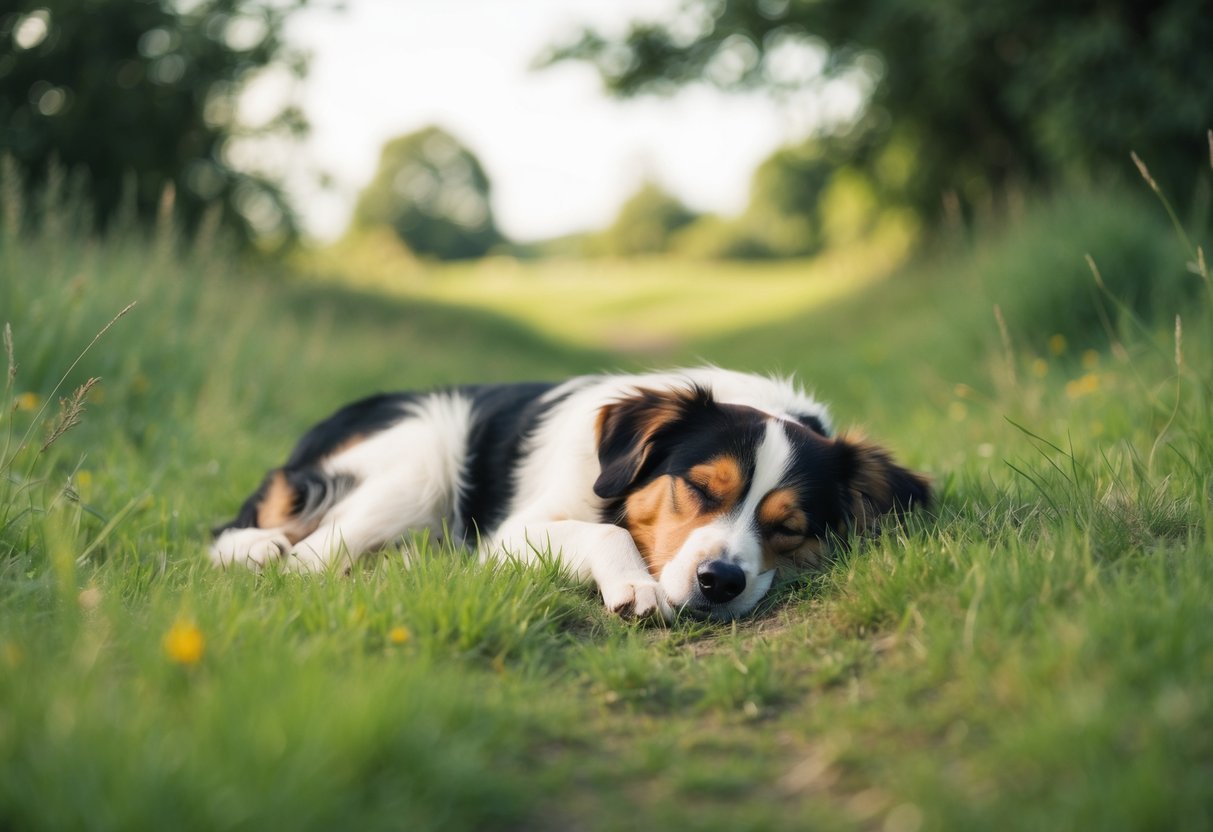
If you’re looking for a dog that won’t disturb your peace, several breeds stand out for their calm nature and low noise levels. You’ll find that these dogs can bring companionship without the typical barking that some breeds are known for.
Basenji: The Barkless Wonder
The Basenji is often called the “barkless dog” because of its unique vocalization. This breed doesn’t bark like most dogs; instead, it produces a sound similar to a yodel.
Basenjis are small and energetic dogs, making them great for active individuals or families. They are very loyal and intelligent, which means they can learn commands quickly. Despite their high energy, they are quiet, making them perfect for those who prefer a serene home.
The Gentle Giants: Great Dane and Newfoundland
Great Danes and Newfoundlands are two large breeds that tend to be surprisingly quiet.
Great Danes are gentle giants with calm temperaments. They don’t usually bark much and are known for their social nature.
Newfoundlands, on the other hand, are also very calm and friendly. They were originally bred for water rescue, so they’re known for their intelligence and gentleness. Both breeds are good choices if you want a large, peaceful companion.
Companions Without the Noise: Cavalier King Charles Spaniel and Japanese Chin
Cavalier King Charles Spaniels are affectionate dogs that adapt well to various living situations. They are generally quiet and don’t have a strong urge to bark. Their friendly demeanor makes them great family pets.
The Japanese Chin is another breed that is known for its calmness. These small, charming dogs enjoy being with their families but are not known for excessive barking. Both breeds are excellent options for those seeking a loving, low-noise companion.
Factors Affecting a Dog’s Quietness

Several aspects influence how quiet a dog can be. Key factors include socialization, training, genetics, and environmental conditions. Understanding these factors can help you choose the right dog for your home.
The Role of Socialization and Training
Socialization plays a crucial role in a dog’s behavior. Dogs that interact positively with different people, animals, and environments during their formative months often develop calm traits. They learn when to bark and when to stay quiet.
Training reinforces this behavior. Commands like “quiet” teach your dog when to stop barking. Positive reinforcement, such as treats or praise, encourages quietness.
For quiet dog breeds, training is vital to maintain their natural tendencies. Good socialization and training can make your dog a better family pet and an effective watchdog without excessive barking.
Genetic vs. Environmental Influences
Genetics also impact a dog’s quietness. Some breeds, like the Basenji, are known for being naturally quieter. These dogs usually don’t bark much and may make alternative sounds, which can be desirable for families looking for peaceful companions.
Environmental influences matter too. A calm home with minimal stress can help reduce barking. Loud noises or chaotic surroundings might trigger more vocal behavior.
Providing a secure and quiet environment will support a dog’s natural inclinations, allowing their quiet nature to flourish.
Finding the Right Quiet Dog for Your Home

Selecting a quiet dog for your home involves understanding your lifestyle and the specific needs of different breeds. It’s important to consider both the dog’s temperament and your living environment to ensure a harmonious match.
Considerations for Potential Owners
When choosing a quiet dog, start by looking at breeds known for their calm nature, like the Basenji or Greyhound. These breeds are often recognized as some of the quietest dog breeds available.
Think about your family dynamics. If you have young children, select a breed that is friendly and gentle. Some quiet dogs can be great companions and family pets, while others may be better suited as watchdogs, alerting you without much barking.
Additionally, consider the size of your living space. Dogs that are known to be quiet can still require space to move around. Engage with rescue groups or breeders who can provide insights into a dog’s personality to help you make the right choice.
Maintaining a Peaceful Environment
After you bring a quiet dog into your home, you should maintain a peaceful atmosphere. Create a designated space for your dog where they feel safe and comfortable. This can be a cozy bed in a quiet corner. It allows them to relax without too many distractions.
Routine is crucial. You should establish consistent feeding, walking, and playtimes. A calm and structured environment helps keep a low noise level. Engage in quiet activities together, like reading or light training exercises, to strengthen your bond without stress.
Lastly, if your dog does bark, identify triggers like doorbells or loud noises. Understanding these factors will help you work on training to reduce unnecessary barking. This will allow your home to stay tranquil as you enjoy your quiet companion.


