
As a dog owner, you must know how long your furry friend can hold its pee. Factors like age and breed can greatly affect this ability. Typically, a dog can hold its pee for about an hour for every month of age, but this can vary widely depending on other factors.
Puppies often need bathroom breaks more frequently due to smaller bladders and less control. Adult dogs, on the other hand, can generally last longer. Large breeds might have different needs compared to smaller dogs, and health issues can also play a role in their ability to hold it.
Understanding your dog’s unique needs can help you keep them comfortable and avoid accidents indoors. By being attentive to their signals and creating a consistent routine, you can ensure your dog stays happy and healthy.
Understanding Canine Bladder Health

Your dog’s bladder health is crucial for their overall well-being. Several factors influence how well they can control their bladder, and it’s important to know the signs of issues like urinary tract infections. Understanding these areas can help you take better care of your furry friend.
Factors Influencing Bladder Control
Bladder control in dogs varies based on several factors. Age is significant; puppies often have less control than adult dogs. As they grow, their ability to hold urine improves. Size also plays a role; smaller breeds may have smaller bladders, affecting how long they can wait.
Health issues, such as bladder stones or infections, can lead to increased urgency and incontinence. Spayed female dogs sometimes experience hormonal changes that impact bladder control. Regular vet check-ups can help monitor these factors and ensure your dog’s urinary health remains strong.
Recognizing Signs of Urinary Tract Infections in Dogs
Urinary tract infections (UTIs) can cause discomfort and serious health problems for your dog. Look for these common signs:
- Frequent urination
- Straining to urinate
- Blood in urine
- Excessive licking of the urinary area
- Accidents indoors
If you notice any of these symptoms, consult your veterinarian. Early detection can lead to more effective treatment and a quicker recovery. Keeping your dog hydrated and encouraging them to go outside frequently can help prevent UTIs.
Impact of Spaying and Neutering on Bladder Control
Spaying and neutering can influence your dog’s bladder control. Spayed females may face hormonal shifts that can lead to incontinence. This condition often occurs as they age, but it can be managed with veterinary guidance.
Neutered males may also experience changes, although incontinence is less common. If your dog shows signs of needing to urinate more frequently or having accidents, discuss these concerns with your vet. They can offer tailored solutions to support your dog’s bladder health.
The Role of Age and Breed
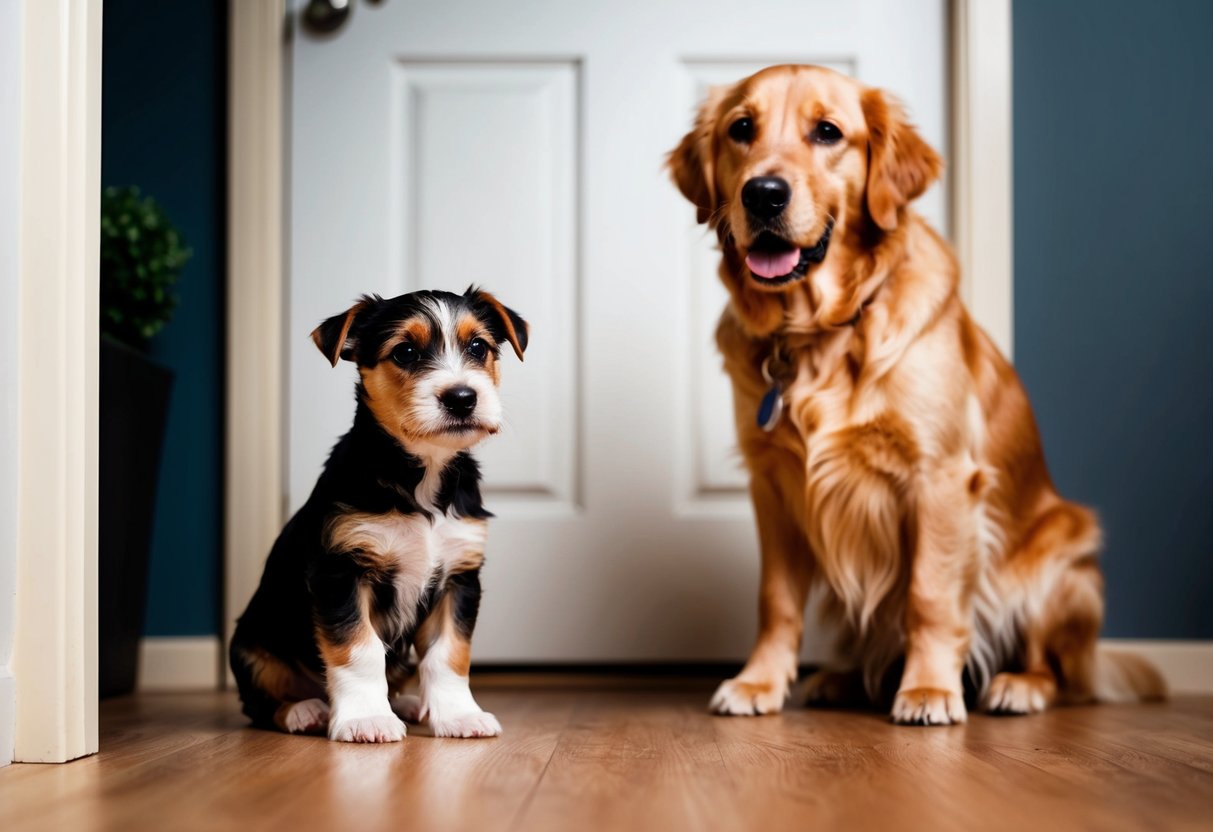
Age and breed significantly influence how long dogs can hold their pee. Understanding these factors can help you better care for your furry friend and meet their needs.
Puppy Potty Training
When it comes to puppies, their ability to hold their pee depends on their age and size. Generally, young puppies can hold their bladder for about one hour for every month of age. For example, a three-month-old puppy can hold it for roughly three hours.
You may want to take your puppy out frequently, especially after eating or drinking. Consistent training is essential. Teaching your puppy to signal when they need to go outside helps them develop good habits early on.
Be patient during this stage; accidents are normal. Celebrate successes to encourage your puppy as they learn!
Variations in Adult Dogs
Adult dogs tend to have better control over their bladder than puppies. Small breeds might hold their pee for 4 to 6 hours, while medium and large breeds can manage between 6 to 8 hours or more.
Factors such as hydration, activity level, and overall health can also affect this. For instance, very active dogs may need to relieve themselves more often. Certain breeds, like larger ones, generally have larger bladders and can hold it longer than smaller breeds.
It’s important to observe your dog’s signals. Regular bathroom breaks will keep them comfortable and happy.
Special Considerations for Senior Dogs
As dogs age, their bladder control may decline. Senior dogs might need more frequent trips outside due to weaker muscles or health issues.
If your dog is having trouble holding their pee, consult your vet. This could be a sign of a medical condition. On average, senior dogs may need to relieve themselves every 2 to 4 hours.
Providing a consistent routine helps them feel secure. Consider easy access to outdoor areas, especially during the night. This approach can prevent accidents and keep your senior dog comfortable.
Managing Potty Breaks and Accidents
Properly managing potty breaks and addressing accidents helps keep your home clean and your dog happy. Understanding your dog’s needs can lead to fewer mishaps indoors and a better bond between you and your pet.
Creating a Potty Break Schedule
Establishing a consistent potty break schedule is key. Generally, adult dogs can hold their pee for about 6-8 hours. For puppies, aim for one hour per month of age.
Start by taking your dog out first thing in the morning, after meals, and before bedtime. A helpful chart for potty break times may look like this:
| Age of Dog | Maximum Time to Hold Pee |
|---|---|
| Puppy (1-5 mths) | 1 hour per month |
| Adult Dog | 6-8 hours |
| Senior Dog | 4-6 hours |
This will help you manage expectations and reduces the chance of accidents.
Addressing Accidents in the House
If your dog has an accident inside, it’s essential to remain calm. A reprimand can confuse your pet. Instead, clean the area thoroughly to remove any odors that might attract them back to the same spot.
Use an enzyme-based cleaner designed for pet stains. This helps eliminate the scents that linger for dogs. If accidents are frequent, consider if your dog might be stressed or if there’s a bigger health issue at play.
Reward your dog for pottying outside to reinforce good behavior, making sure to celebrate their success!
Training and Behavioral Issues
Crate training can be a helpful tool in potty training. Dogs naturally avoid soiling their sleeping area. A properly sized crate limits space enough to discourage accidents but still provides a comfortable resting place.
If your dog continually has accidents, check for behavioral issues like anxiety or lack of training. Take note of your dog’s routines and adjust the potty break schedule as needed. Patience and consistency are vital.
Using positive reinforcement when your dog goes outside can strengthen good habits over time. Keep training sessions short and fun, and make adjustments based on your dog’s specific needs.
Lifestyle and Care
Taking care of your dog’s needs goes beyond just feeding and walking. Lifestyle choices and daily care play a big role in how long your dog can hold its pee. Factors like diet, access to water, and social environments can make a difference.
Diet and Hydration Essentials
Your dog’s diet directly affects its hydration and bladder health. A balanced diet with high-quality dog food is essential. Ensure your dog has enough water daily to stay hydrated.
- Consider providing water at regular intervals.
- Avoid giving too many salty treats, as they can increase thirst.
Puppies and older dogs often need more frequent bathroom breaks. Be attentive to your dog’s behavior. If they seem restless or are whining, it might be time for a bathroom break.
The Role of Dog Walkers and Pet Sitters
If you work long hours or are away from home, hiring a dog walker or pet sitter can help. They can provide necessary bathroom breaks and keep your dog active. This routine is especially important for puppies and dogs with small bladders.
- A dog walker can take your dog out for a quick relief during the day.
- Regular visits help reduce anxiety in your pet.
This social interaction is beneficial as well. It keeps your dog engaged and happy, reducing the chances of accidents when you are not around.
Benefits of Doggy Daycare
Doggy daycare can be a great option if you’re busy. In daycare, your dog will not only be supervised but will also get to play with other dogs. This can reduce anxiety and improve their mood.
- Daycare offers structured playtime and regular bathroom breaks.
- Socializing can help your dog learn cues for when it needs to go out.
Plus, a tired dog is usually a happier dog. Enrolling your pet in daycare ensures they receive the exercise and care they need. This allows you to worry less about accidents at home.


