
Many pet owners wonder about the impact of crating their dogs while at work. Crating a dog is not inherently cruel, but you must take proper measures to ensure their comfort and well-being. Dogs can feel safe in a crate if you introduce it positively and use it correctly. This allows them to have their own space when you are away.

However, the length of time your dog spends crated is crucial. It’s important to avoid crating them for long periods, as this can lead to stress and anxiety. Many experts suggest that crates should be used as a management tool and not a substitute for regular potty breaks and exercise.
Understanding your dog’s needs should guide your decisions. By knowing when and how long to crate your furry friend, you can help them feel secure while ensuring their mental and physical health are taken care of. Your goal should be to create a balanced routine that works for both you and your dog.
Understanding Dog Crating

Crating can be a valuable method to help manage your dog’s behavior while you are away. It’s important to understand the fundamentals of crate training, how it interacts with your dog’s behavior, and how to recognize signs of separation anxiety.
The Basics of Crate Training
Crate training involves getting your dog used to spending time in a dog crate, which can act as their safe space. The crate should be the right size; your dog should stand up and turn around comfortably.
Start by introducing your dog to the crate slowly. Use treats and praise to make it a positive experience. Gradually increase the time your dog spends inside with the door closed. This process can help your dog feel secure when you aren’t home.
Proper training techniques, like positive reinforcement, make a big difference. Avoid using the crate as punishment, as that can create fear. With patience and consistency, crate training can be a seamless part of your dog’s routine.
Canine Behavior and Crating
Understanding canine behavior is crucial in crate training. Dogs are naturally den animals and can find comfort in a crate when introduced properly. When your dog associates their crate with safety and comfort, it can help reduce stress and anxiety during your absence.
It’s essential to recognize how different breeds and individual personalities may react to crating. Some dogs adapt quickly, while others may need more time. Knowing your dog’s behavior allows you to adjust your training approach for a smoother experience.
Incorporating activities like puzzle toys can make the crate more enjoyable. This helps keep your dog mentally stimulated during your time away and encourages a positive view of their crate.
Identifying Separation Anxiety in Dogs
Separation anxiety in dogs is a common issue that can arise when they are crated for too long. Signs include excessive barking, chewing, or even attempts to escape. It’s essential to identify these behaviors early.
Try to start with shorter crate sessions and gradually increase the duration. This helps your dog adjust without becoming overly anxious. Always keep an eye on their reactions, like whining or pacing, when you’re getting ready to leave.
If you notice severe signs of anxiety, it may be helpful to seek guidance. Consulting a veterinarian or a dog behaviorist can provide tailored strategies to help manage your dog’s anxiety and make crating a better experience for both you and your furry friend.
The Impact of Crating on Dogs
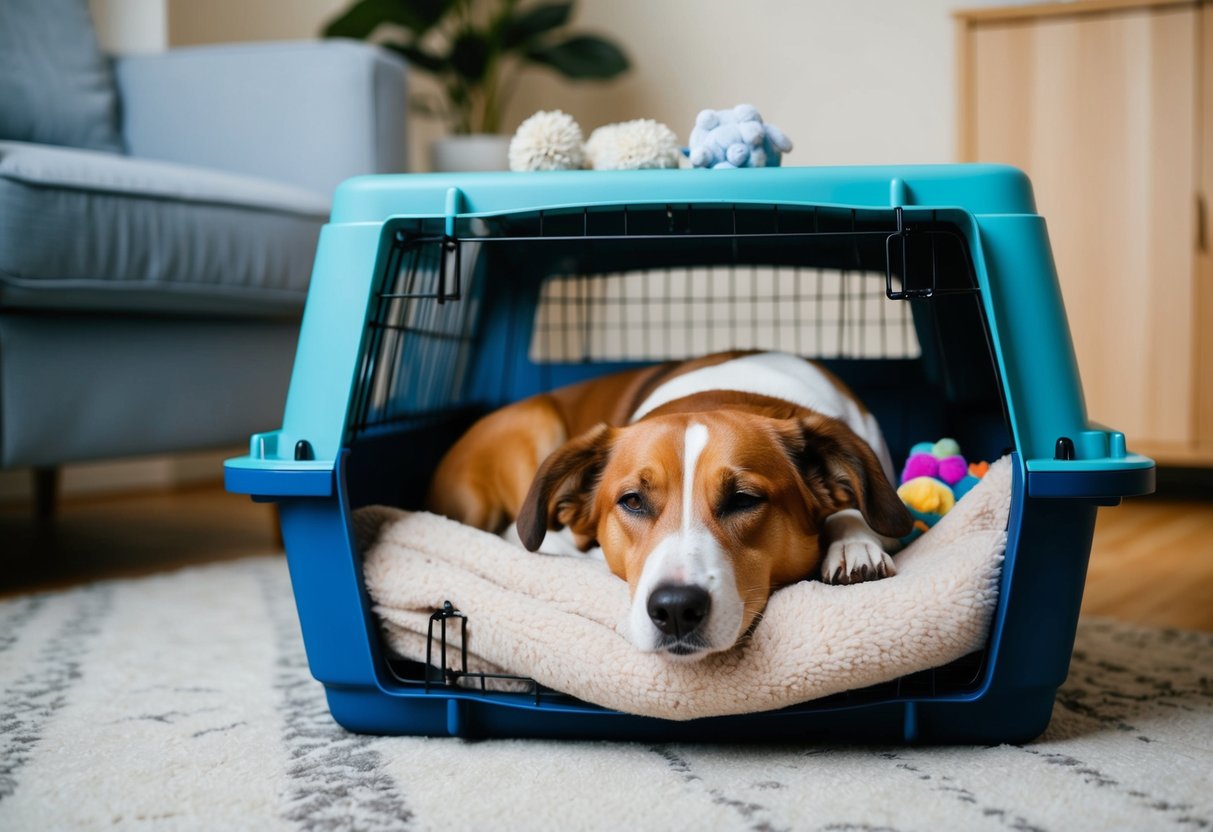
Crating can have several impacts on your dog, both positive and negative. Understanding these effects can help you make a more informed decision about whether crating is suitable for your pet.
Pros and Cons of Crating
Crating your dog has its advantages. It can provide a feeling of safety, similar to a den. Many dogs feel secure when they have their own space. Crates can also help with training, as they encourage dogs to hold their bladders and can assist in housebreaking.
On the flip side, crating can lead to anxiety or distress for some dogs. If your dog is not used to a crate, they may feel trapped. Too much time in a crate, especially without proper care, can also lead to behavioral issues.
Preventing Destructive Behavior
Crating helps in preventing destructive behavior when you are away. If your dog tends to chew on furniture or get into trouble, a crate provides a safe space where they cannot cause harm. You can leave your dog with toys and chews to keep them occupied.
Make sure to crate train your dog properly. Slow introductions to the crate can help your dog feel comfortable. Positive reinforcement when they enter the crate can encourage them to view it as a safe retreat instead of a punishment.
Bladder Control and Crating
One important aspect of crating is bladder control. Young puppies may struggle to hold it for long periods. In general, adult dogs can be crated for up to eight hours, while puppies should not be crated for more than four hours.
Proper timing is crucial. Frequent bathroom breaks and consistent training can help your dog learn to control their bladder while crated. If you need to be away longer than your dog can handle, consider hiring a dog walker or using daycare services to give them a break.
Alternatives to Crating While at Work

If crating your dog at work feels wrong for you, there are several good options to consider. These alternatives can help keep your pet happy and comfortable while you are away.
Hiring a Dog Walker or Sitter
One popular option is to hire a dog walker or pet sitter. A dog walker can take your dog for a walk during the day, giving them exercise and a chance to relieve themselves. This keeps your dog active and reduces boredom.
A dog sitter can also provide company. This person visits your home to care for your dog, offer playtime, and take them outside. With a reliable dog sitter, your pet won’t feel lonely or anxious. This can encourage positive behavior through bonding.
To find someone trustworthy, consider asking local friends, using pet sitting services, or checking reviews online. Trust is important when hiring someone to care for your furry friend.
Exploring Doggy Daycare
Doggy daycare is another great alternative. These facilities provide a safe environment where your dog can socialize with other dogs. This can be stimulating and prevent feelings of isolation.
At daycare, your dog will have supervised playtime in a secure space. Most facilities offer activities, toys, and rest areas, keeping your pet engaged throughout the day. This not only gives you peace of mind but also promotes positive reinforcement through interaction.
Before choosing a daycare, visit the facility to ensure it is clean and well-organized. Ask about the staff’s training and experience. Your dog deserves a fun and safe place when you’re at work.
Utilizing Remote Work Flexibility
If your job allows it, consider remote work as a flexible option. Working from home enables you to spend more time with your dog. You can take breaks to play, exercise, and attend to their needs.
Remote work allows you to create a routine that includes caring for your pet. This ensures they feel loved and secure while you complete your tasks. You can even set up a dedicated space for both you and your dog to work and relax.
Check with your employer about possible remote work options. This can lead to a happier work-life balance for both you and your dog.


