
When you leave for work, it’s natural to wonder how your furry friend feels. Dogs can indeed feel sad when you leave, as they form strong emotional bonds with their owners. This attachment makes separations challenging for them. Many dogs show signs of sadness or anxiety, which can be tough to witness.
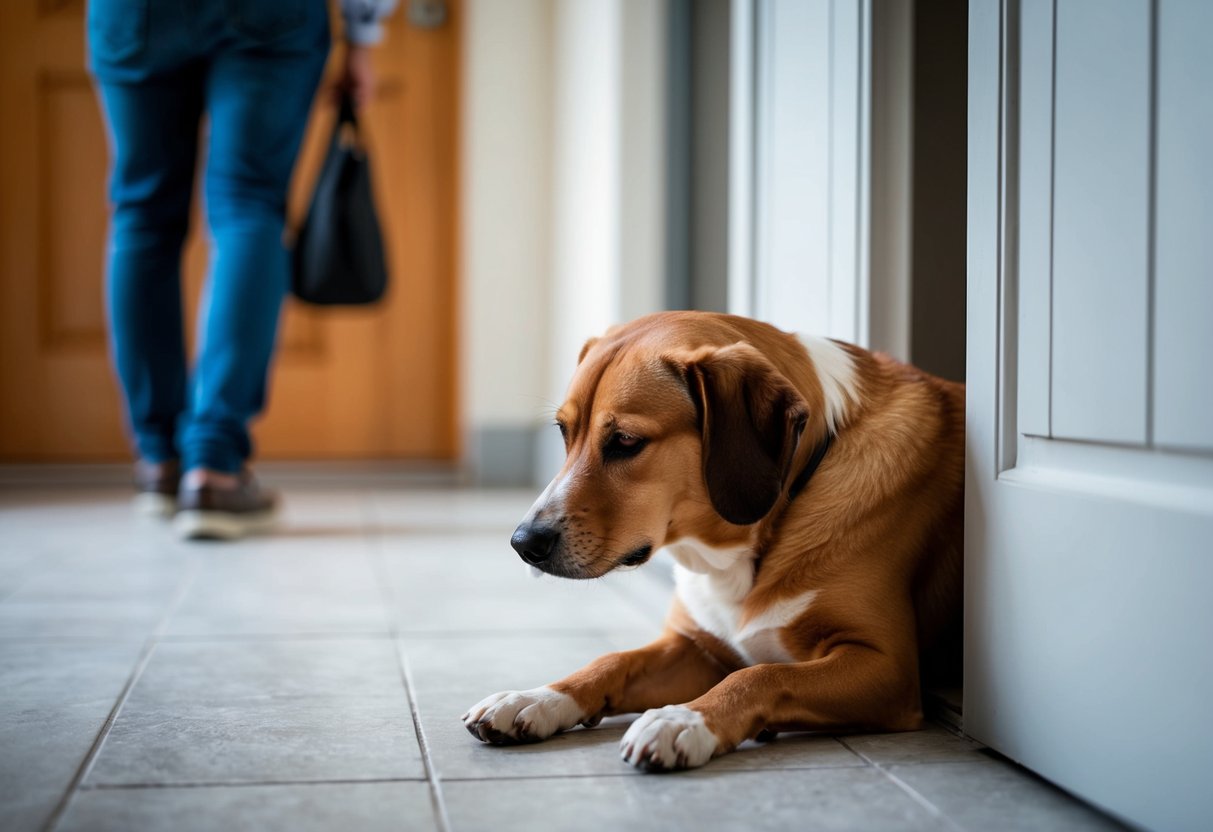
You might notice your dog displaying certain behaviors, like whining or following you around the house. Understanding your dog’s emotions can help you support them better.
With a little preparation and awareness, you can help make your departures less stressful for your pet.
As you explore this topic, you’ll learn more about why dogs experience these feelings and what you can do to ease their worries when you head out the door. Let’s dive into the world of canine emotions and discover how to keep your dog happy even when you’re away!
Understanding Dog Emotions

Dogs have a rich emotional life. They can experience various feelings, such as happiness, love, and sadness. Understanding your dog’s emotions can help you manage their behavior, especially when you leave for work.
Canine Companion Emotional Capacity
Dogs are not just pets; they are companions who form strong bonds with you. Studies show that dogs have the ability to feel emotions similar to humans. This includes joy, fear, and sadness.
When you leave for work, your dog may feel a sense of abandonment. They can associate your departure with stressful feelings. A dog’s emotional capacity can lead to them exhibiting signs of anxiety and sadness when you are gone.
Signs of Sadness in Dogs
It’s important to recognize when your dog is sad. Look for these common signs:
- Excessive barking or whining: This can be a cry for your attention.
- Listlessness: A sad dog might seem uninterested in activities they once enjoyed.
- Changes in sleeping habits: If your dog sleeps more than usual, it could be a sign of sadness.
Being aware of these signs helps you respond to your dog’s needs. Support from you can ease their feelings of anxiety in dogs and strengthen your bond.
Separation Anxiety and Its Effects
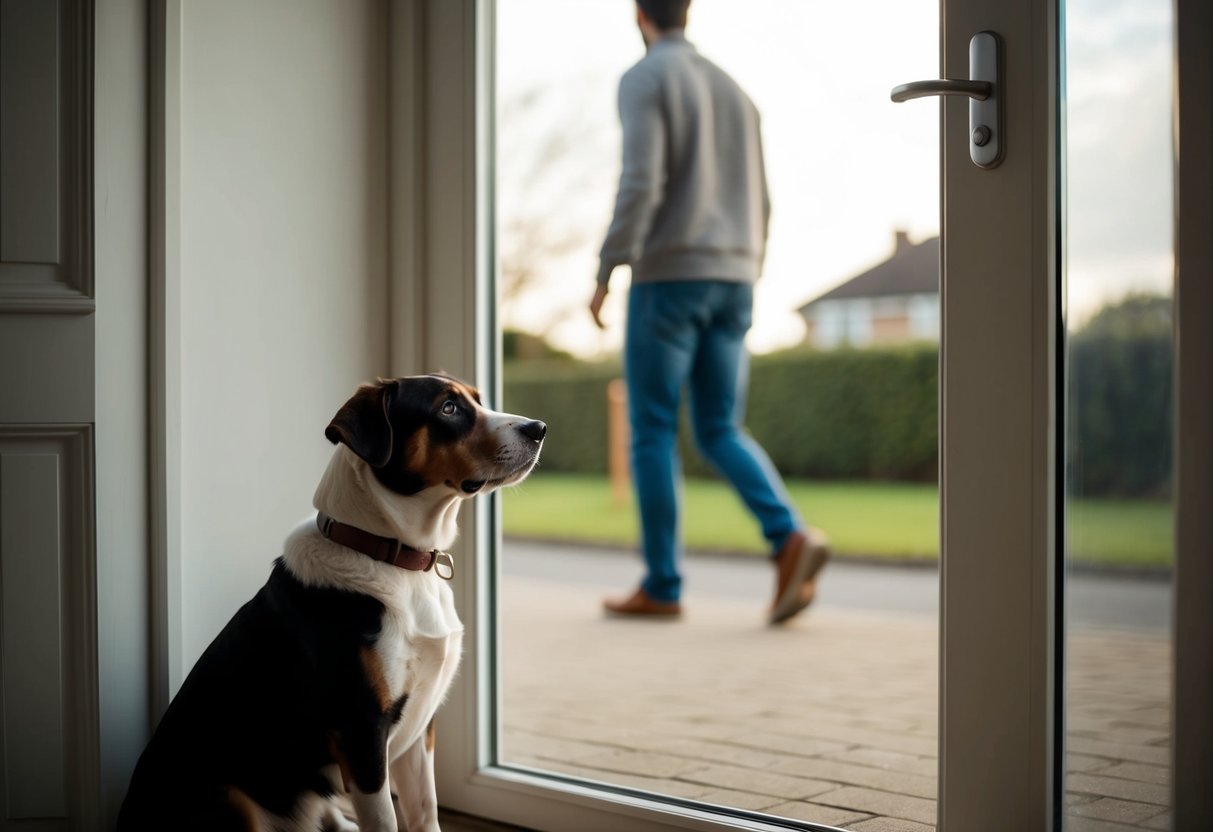
Separation anxiety in dogs can lead to significant stress for your furry friend. Understanding how to identify and manage this condition is crucial for their well-being.
Identifying Separation Anxiety in Dogs
You may notice signs of separation anxiety if your dog seems upset when you leave. Common behaviors include:
- Excessive barking or whining: Your dog may vocalize more than usual, showing their distress.
- Destructive behavior: Chewing, digging, or scratching at doors and windows could indicate they’re trying to escape.
- Pacing: If your dog walks in circles or seems restless, it may signal anxiety.
These behaviors stem from your dog’s strong attachment to you. When you leave, they miss your presence and can become quite stressed. Keep an eye out for these signs so you can help them feel more secure when you leave.
Managing Separation Anxiety
To help your dog cope with separation anxiety, consider practical strategies. Here are some effective methods:
- Create a safe space: Designate a comfortable area with toys and familiar items. This can be a crate or a specific room.
- Practice short departures: Start with brief absences. Gradually increase the time you’re away to help your dog adjust.
- Use calming products: Consider anti-anxiety supplements or sprays, which can help soothe your dog while you’re away.
Being mindful of your dog’s feelings is essential. With time and patience, you can help your canine friend feel more secure when you leave for work.
How Dogs Perceive Owner Absence
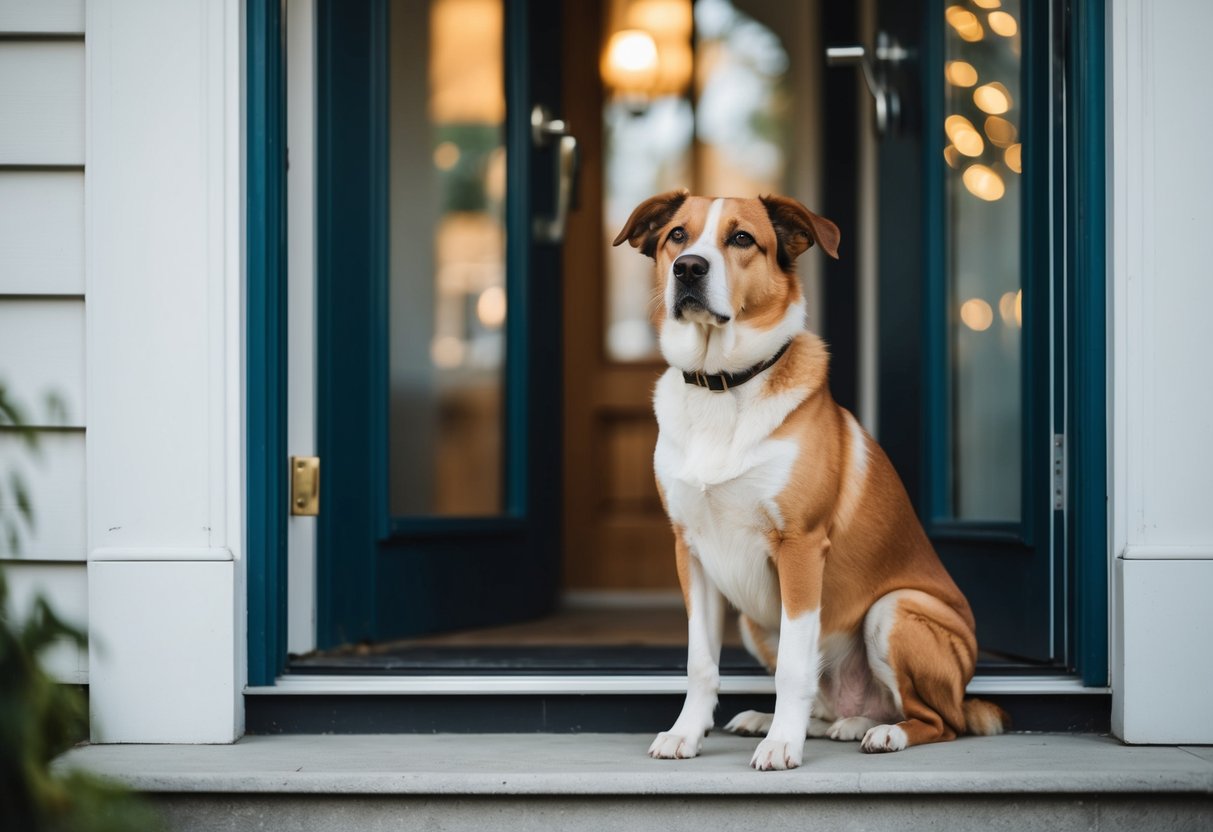
When you leave for work, your dog notices your absence. They may not fully understand why you are gone, but they can feel the change in routine and environment. Let’s explore how dogs perceive this absence and how you can help them cope.
The Science Behind Dogs Missing Their Owners
Dogs are social animals and form strong bonds with their owners. Research shows that when you leave, your dog may display signs of missing you. They may exhibit behaviors such as whining, pacing, or sitting by the door. These actions suggest they are anxious or confused about your absence.
A study indicates that dogs can recognize patterns in your routine. If you leave at the same time every day, your dog learns to expect your return. Longer absences can intensify their feelings of sadness. It’s not uncommon to see dogs excitedly waiting at the door when they sense you are back.
Creating a Comfortable Environment for Alone Time
To help your dog feel more comfortable during your absence, create a cozy space for them. Consider setting up a safe area with their favorite toys and a soft bed. This helps them feel secure while you’re away.
Additionally, leaving an item with your scent, such as a worn t-shirt, can provide comfort. Dogs also appreciate some background noise. A radio or TV can mimic the feeling of human presence. You may find that engaging toys can keep their minds occupied.
Establishing a consistent routine will also help your dog adjust. Gradually increase the time you leave them alone to build their confidence. With these strategies, you can ease your dog’s distress when you head off to work.
Professional Guidance and Assistance
If your dog shows signs of sadness or anxiety when you leave for work, seeking help from professionals can make a big difference. Understanding the role of trainers and dog walkers can provide valuable support and create a more comfortable environment for your pet.
When to Consult a Professional Dog Trainer
You might consider consulting a professional dog trainer when your dog displays consistent anxiety or destructive behavior as you leave. Look for signs such as excessive barking, whining, or chewing. These behaviors can indicate deeper issues like separation anxiety.
A trainer can create a tailored plan that addresses your dog’s specific needs. They will use positive reinforcement techniques to help your dog learn how to cope during your absence. Your dog can gain confidence through gradual desensitization to being alone.
Additionally, professional guidance ensures you receive consistent support. Regular check-ins can help you adjust training methods as needed, making the process smoother for you and your dog.
The Role of Dog Walkers in Alleviating Loneliness
Hiring a dog walker can significantly reduce your dog’s feelings of loneliness. A dog walker can provide companionship and exercise throughout the day, breaking up long hours alone. This routine can help your dog feel happier and more relaxed when you leave.
During walks, your dog can also socialize with other dogs, helping to build confidence. A regular walking schedule gives your pet something to look forward to, which can lessen feelings of sadness.
Moreover, a dog walker can monitor behavior and provide insights. They may spot issues that you might miss and can relay important information back to you. This teamwork can create a supportive network for your furry friend.


