
When you think about dog breeds known for their aggression, certain names often come to mind. The Pit Bull Terrier and the Rottweiler are the two most aggressive dog breeds. Understanding why these breeds may show aggressive tendencies can help you make informed decisions if you’re considering bringing one into your home.
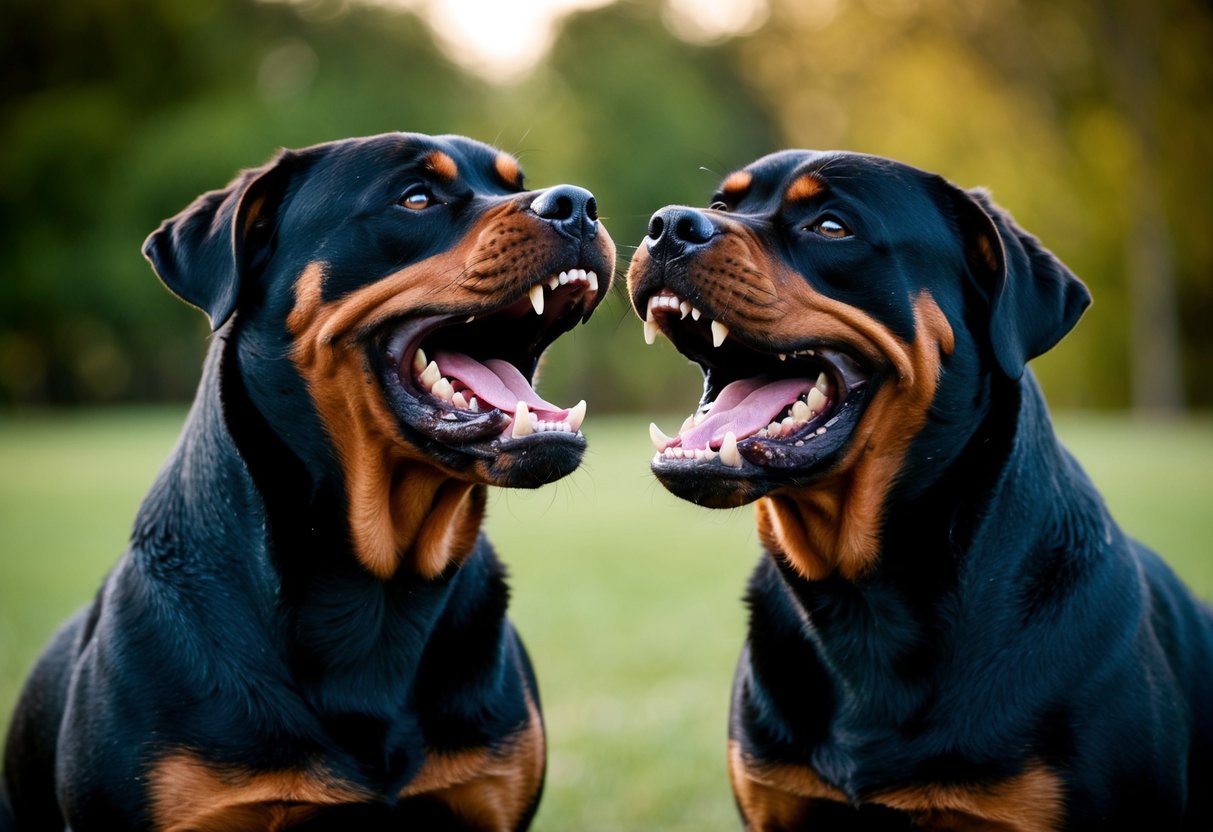
While all dogs can exhibit aggressive behavior, some breeds are statistically more likely to act aggressively due to factors like genetics and environment.
Knowing more about these breeds can give you insights into their behavior and training needs. With the right approach, even the most challenging dogs can become loyal companions.
If you’re interested in learning how to manage or train these breeds effectively, keep reading! You’ll discover important information about their characteristics and how to ensure a safe and loving environment for everyone.
Understanding Dog Aggression

Dog aggression can be a challenging topic for many pet owners. It is important to recognize that aggression comes in various forms and is influenced by several factors. Understanding these aspects can help you manage and prevent aggressive behavior in dogs.
Types of Aggression in Dogs
There are several types of aggression that you might encounter in dogs. Some common forms include:
- Fear Aggression: Dogs may react aggressively when they feel scared or threatened. This often happens if they haven’t been properly socialized.
- Dominance Aggression: This occurs when a dog tries to assert control over a person or another dog. It might be linked to their social status in the pack.
- Territorial Aggression: Dogs can be protective of their home and family. This type of aggression may happen if someone enters their perceived territory.
Recognizing the type of aggression your dog displays can help in choosing the right training methods. Proper training and socialization can often change these behaviors.
Factors Influencing Aggression
Several factors can influence a dog’s aggressive behavior. Your dog’s genetics can play a role, as certain breeds might have tendencies toward aggression. However, upbringing and environment are equally important.
- Training and Socialization: Dogs that receive proper training and socialization are generally less aggressive. It’s important to expose them to various people, animals, and situations.
- Small Dog Syndrome: Smaller breeds, like Chihuahuas, can show aggressive behavior due to being overprotected or spoiled. This is often a result of their owners treating them differently than larger dogs.
By addressing these factors, you can create a safer and more enjoyable environment for your dog and those around you.
Breeds with Strong Protective Instincts

Some dog breeds have natural protective instincts that make them excellent guard dogs and loyal companions. These breeds are known for their courage and dedication to their families. Here, we focus on two of the most recognized breeds: the Rottweiler and the Doberman Pinscher.
Rottweiler: Guard Dog by Nature
The Rottweiler is a strong and confident breed with a rich history as a guard dog. They are known for their protective instincts, making them excellent guardians for homes and families. Rottweilers are natural protectors and are particularly loyal to their owners.
Their physical strength and alertness help them identify potential dangers. With proper training, they can balance their protective nature with being loving companions. Rottweilers require consistent socialization and leadership to thrive. By following these steps, you can enhance their natural instincts and ensure they remain well-rounded pets.
Doberman Pinscher: The Vigilant Protector
The Doberman Pinscher is another breed known for its strong protective instincts. With a sleek build and sharp mind, they are always alert and ready to defend their territory. This breed is intelligent and highly trainable, making it easy for you to encourage their natural guarding abilities.
Dobermans are loyal companions who form deep bonds with their families. They are known to be gentle with children while remaining watchful of potential threats. Regular exercise and mental stimulation are essential to keep them happy and healthy. With the right training, you can ensure that your Doberman is a fierce protector and a loving family member.
Addressing Aggression Through Training
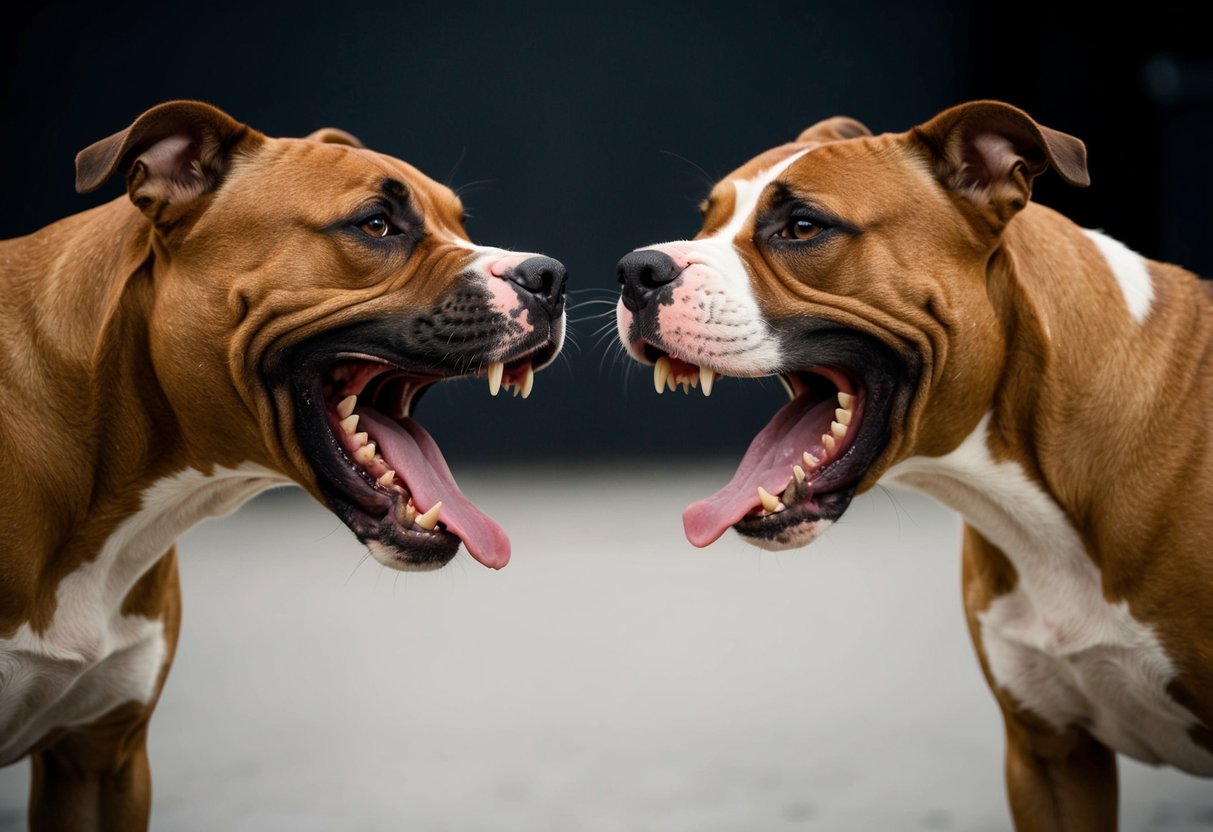
Training is essential for managing aggression in dogs. With proper techniques, you can help your dog feel more secure and improve their behavior. Focus on tailored training plans and effective socialization strategies.
The Role of Training in Mitigating Aggression
Training provides structure and guidance for aggressive dogs. Positive reinforcement is a key technique. Rewarding good behavior encourages your dog to repeat those actions. You can use treats, praise, or playtime as rewards.
Establish clear commands like “sit,” “stay,” and “leave it.” This promotes good behavior and gives your dog a sense of direction. Consistency is important. Make sure everyone in your household uses the same commands and methods.
It’s also beneficial to work with a professional trainer who specializes in aggressive dogs. They can create a personalized training plan suited for your dog’s needs and help you understand common triggers of aggression.
Socialization Strategies for Aggressive Breeds
Socialization is vital for aggressive breeds. Exposing your dog to different environments, people, and other animals reduces fear and anxiety.
Start the process early, ideally when your dog is a puppy, but you can still socialize older dogs with patience.
Introduce your dog to new experiences slowly. Use positive reinforcement to reward calm behavior during these introductions. Short, controlled outings can help your dog adjust without feeling overwhelmed.
Group training classes can be an excellent socialization tool. This offers your dog a chance to interact with other dogs and people in a controlled setting. Remember to monitor your dog’s reactions and remove them from stressful situations if needed.
You can build a positive experience through consistent training and socialization, helping your aggressive dog become more comfortable in various situations.
The Misconception of Size and Aggression
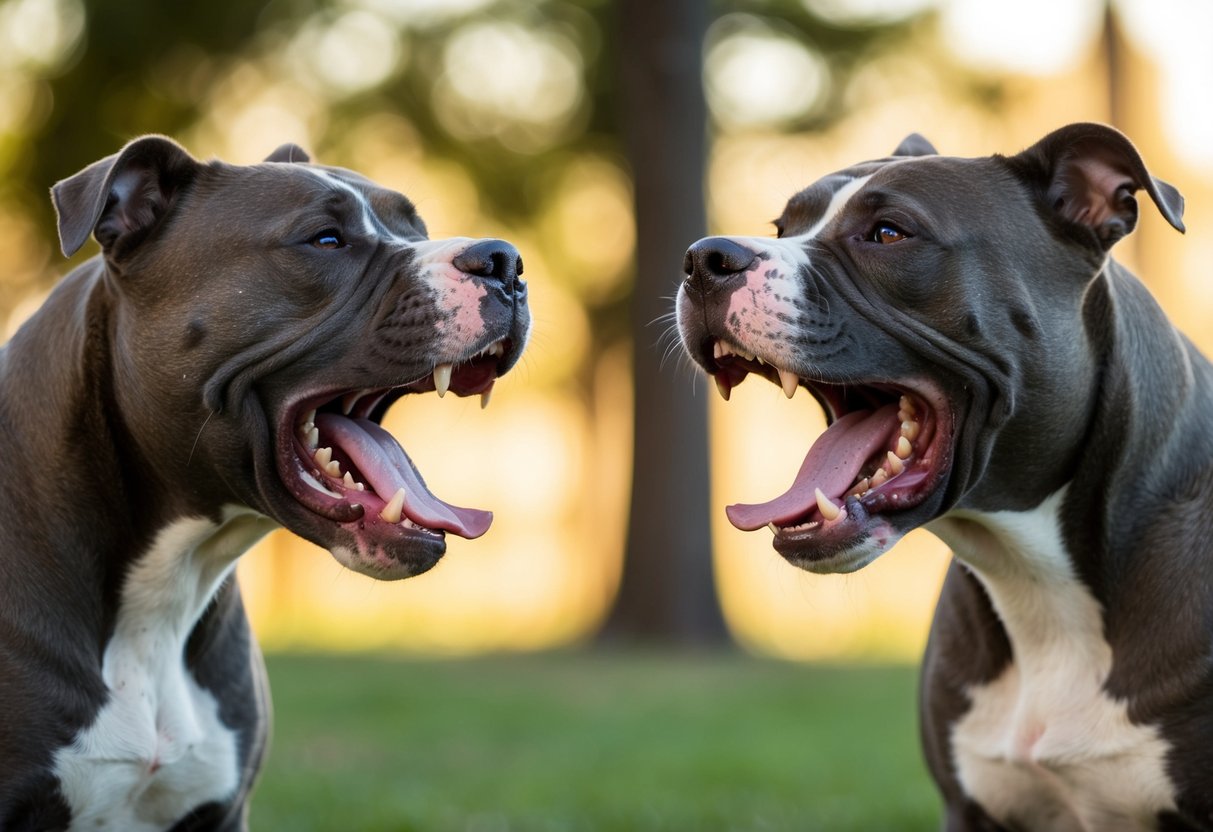
Many people believe that larger dogs are more aggressive than smaller ones. This idea can lead to misunderstandings about certain small breeds that can exhibit aggressive behavior. It’s important to recognize that size does not always determine temperament or behavior.
Small But Mighty: Chihuahua and Jack Russell Terrier
Chihuahuas may be tiny, but they can have a bold attitude. Some owners might notice signs of small dog syndrome, where these dogs act aggressively despite their size. Overprotectiveness or fear can cause this behavior. Their small stature doesn’t prevent them from being vocal. This often leads to barking and aggression when they feel threatened.
Jack Russell Terriers are another example. They are energetic and assertive dogs. While they are fun and spirited, their strong prey drive can lead to aggressive behavior if not properly trained. Owners need to manage their energy and socialization to prevent unwanted incidents. Being aware of these characteristics helps you create a safer environment for everyone.


