
Wild deer rarely get to live out their full potential. On average, a wild deer lives around 4 to 6 years, but that number jumps around depending on the species and where they live.
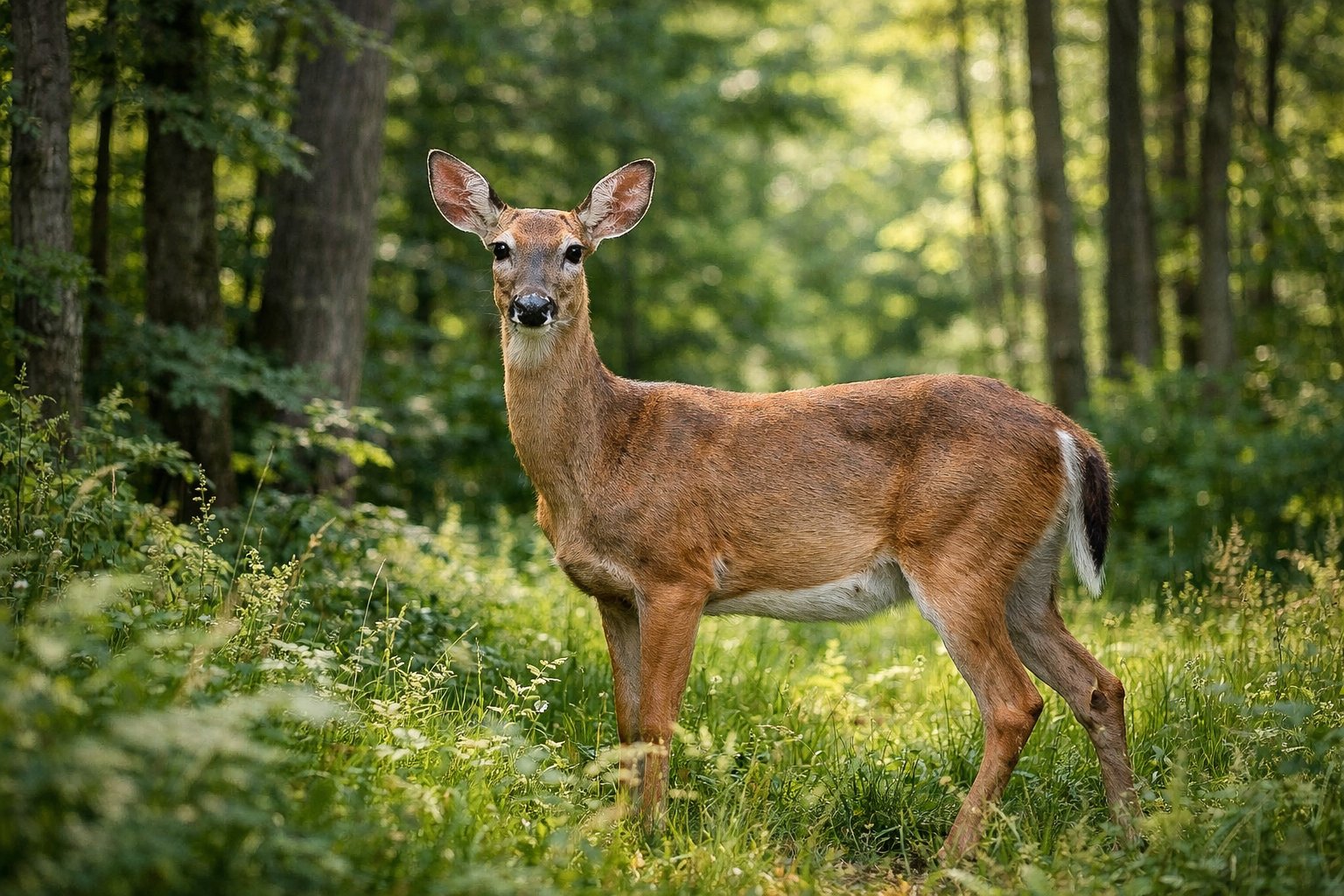
Some does outlive bucks, and habitat or hunters can make a huge difference. Diseases and accidents also cut lives short.
Species differences and local conditions change what “average” really means.
Let’s dig in and see what shapes a deer’s life in the wild.
Average Lifespan and Species Differences
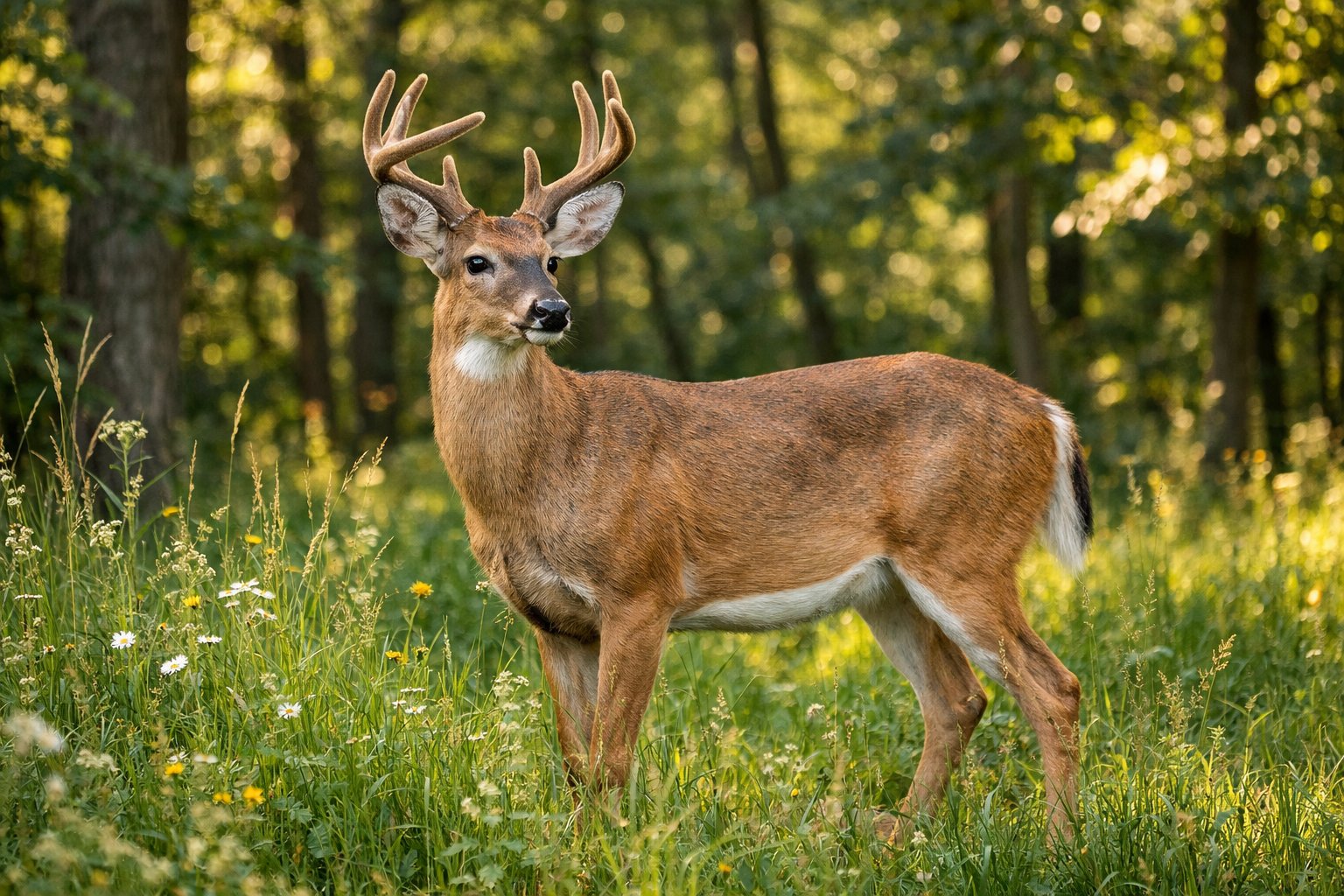
Wild deer usually don’t get many years. Predators, disease, hunting, and bad weather take a toll.
But some individuals beat the odds, especially if they’re lucky or protected.
Typical Lifespan of Wild Deer
Most wild deer make it about 3 to 7 years on average. Young fawns face a rough start—coyotes and diseases claim a lot of them before they grow up.
Adult deer often run into hunters, get hit by vehicles, or fall ill. That keeps the average age down.
You’ll notice that does usually outlive bucks. Males get more injuries and stress during the rut.
In spots with little hunting and good habitat, white-tailed deer or roe deer can sometimes reach 8–10 years.
How Lifespan Varies by Species
Different species don’t age the same way. White-tailed deer usually average 4–5 years in the wild.
Mule deer can stick around longer, often 7–11 years if the habitat’s good. Roe deer and some European species tend to average closer to 8–12 years.
Red deer and Scottish red deer, being bigger, often live about 10–13 years if predators and hunting aren’t too intense. Some rare deer reach their late teens or even early twenties, but that’s honestly not common.
Wild Versus Captive Deer Longevity
Deer in captivity have it a lot easier. In zoos or on private land, they get regular food, protection from predators, and vets looking after them.
Captive deer can live 15–25 years, which is wild compared to their cousins outside.
Wild deer deal with hunting, cars, sketchy food, and disease. For example, a typical whitetail in a hunted area might only make it to 3–5 years.
But in a protected park, some can hit 10 years or more.
Major Factors Influencing Lifespan
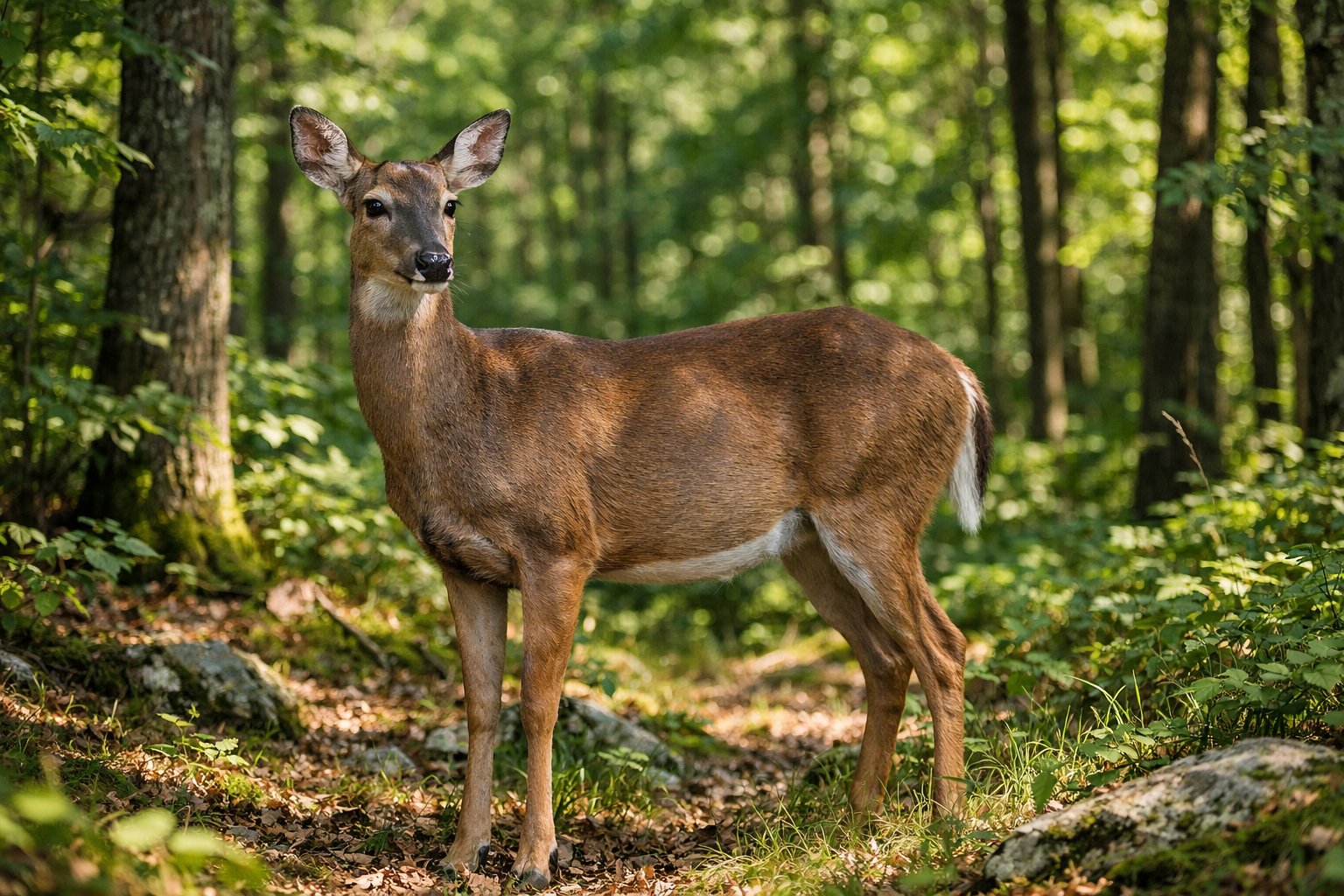
A few big things decide how long deer get to live. Predators, disease, weather, and humans all play their part.
Predation by Natural Enemies
Wolves, bears, mountain lions, and coyotes take out a lot of deer—especially the young ones. Fawns have it hardest; studies say most die in their first months, often thanks to coyotes and bobcats.
Adult deer aren’t safe either. Wolves and mountain lions tend to go after weak or older deer, especially in winter.
Predators change how many deer survive and who gets to breed. If there are lots of predators, fewer deer make it to adulthood.
Landscape matters too. Thick cover or tricky terrain helps deer dodge ambushes.
Disease and Health Threats
Diseases like Chronic Wasting Disease (CWD) and Epizootic Hemorrhagic Disease (EHD) can really knock down deer numbers. CWD is a slow, fatal brain disease that spreads in herds and chips away at longevity.
EHD hits fast—biting midges infect deer during warm months and cause sudden die-offs.
Nutrition, parasites, and stress pile on more problems. Bad winters or drought mean less food, which weakens immunity.
Hunters and wildlife managers try to keep tabs on disease and adjust their plans to help deer pull through.
Impact of Weather and Environment
Harsh winters with deep snow make life tough for deer. They burn more energy and struggle to find food, so fat reserves run out.
Adult males and fawns get hit hardest. On the flip side, mild winters and good forage give deer a better shot at living longer and raising young.
Habitat quality isn’t just a buzzword—it matters a lot. Fragmented forests, poor browse, and weak nutrition all lower survival.
Environmental factors pile up. Drought stunts plant growth, which means less food and more stress from disease or predators.
Honestly, you’ve got to watch local weather patterns. Shifting climates can totally change how many deer survive and how old they get.
Human-Related Mortality
Hunting and deer-vehicle collisions kill a lot of deer every year. In places where hunting is legal, hunters usually account for most adult deer deaths.
Good hunting regulations can keep populations in check and actually help keep herds healthy. But when people poach or take too many deer, it wipes out older animals and throws off the balance between males and females.
Cars hit thousands of deer every year, especially during the rut and migration. When deer start moving more, accidents go up.
As cities sprawl out and roads cut through habitats, deer lose safe places to live. These changes push them into dangerous areas and make collisions more likely.
Wildlife managers try different things to help, like setting hunting seasons, building crossings, and putting up speed warnings. All of these aim to cut down on human-caused deer deaths and give deer a better shot at survival.


