
Frogs are honestly some of the most interesting animals out there, popping up in all sorts of places around the world. If you’re wondering how long they stick around, well, it really depends on their species and where they live—wild or in captivity.
Most frogs live somewhere between 5 and 12 years, but some can outlast that, especially if someone’s looking after them as a pet.
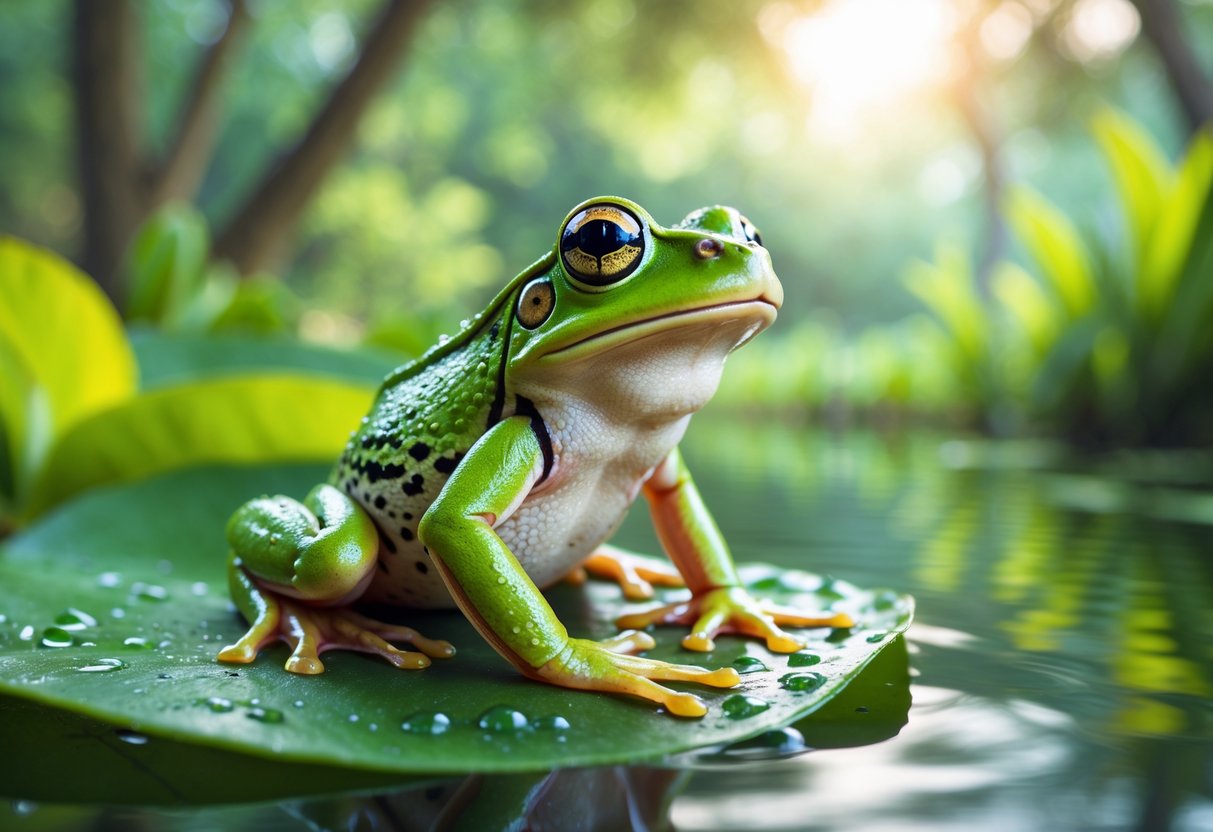
Wild frogs deal with a lot—predators, tough weather, and all sorts of hazards that usually cut their lives short. But if you keep a frog safe and well cared for, it might surprise you by living 15 years or even longer.
If you’re thinking about getting a pet frog, knowing about their life expectancy isn’t just a fun fact—it’s actually pretty important for their care.
Learning about how long different frog species live also gives you a peek into their behavior and survival tricks. Whether you’re just a fan or planning to bring one home, finding out about their lifespan might make you see frogs in a new way.
If you want to dive into specifics, there’s plenty more info out there about the lifespans of different frog species.
Understanding Frog Life Expectancy
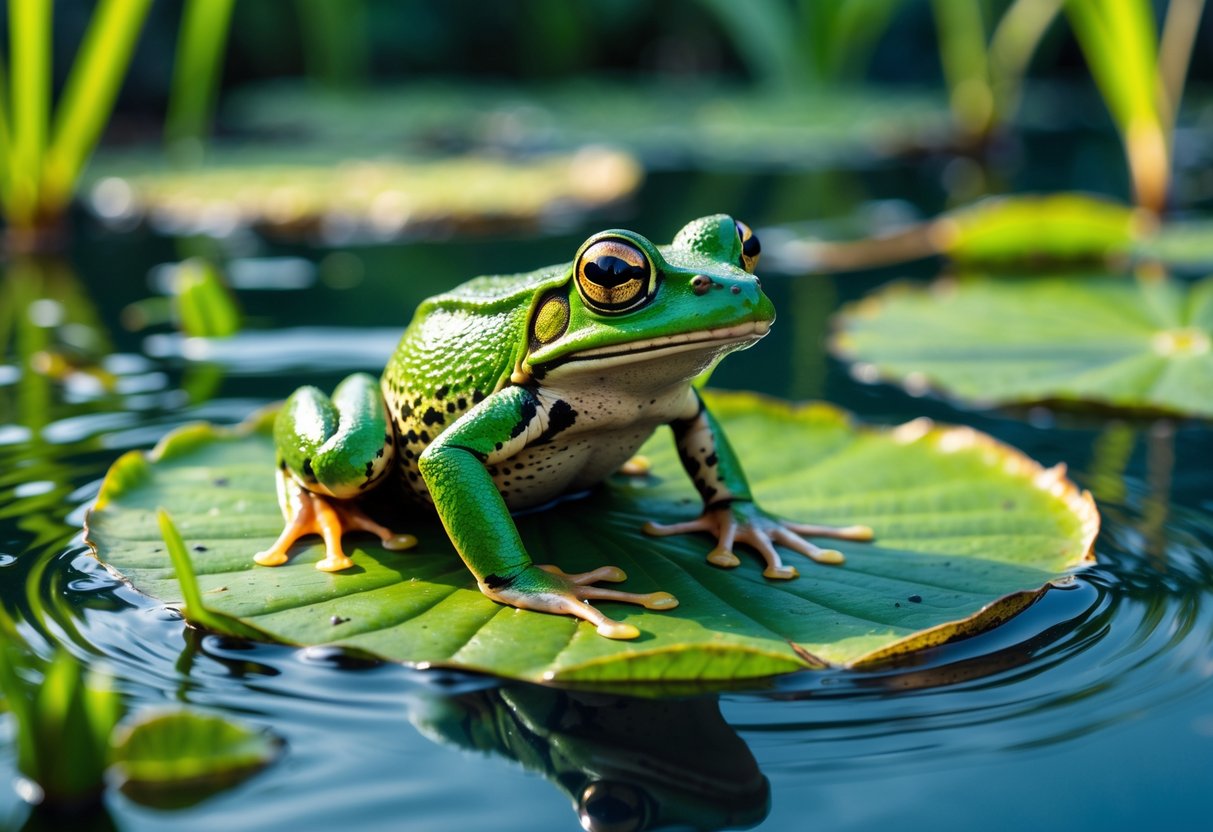
Frogs don’t all live the same amount of time—it really depends on their species and where they end up living. Their lives go through a few clear stages, and whether they’re wild or kept as pets makes a huge difference.
If you know these details, you’ll get a better sense of what affects how long frogs stick around.
Average Frog Lifespan
Most wild frogs make it about 2 to 10 years. Some don’t last much longer than 4 or 5 years, but toads sometimes push past 10.
Predators, weather, and disease all play a part in how long frogs survive out there.
Different species can be all over the place when it comes to lifespan. Take bullfrogs—they usually last about 5 to 8 years in the wild, but if you keep them as pets, they might hit 16 years.
Poison dart frogs? They can go about 10 years outside, but in someone’s care, they might see 20. Honestly, knowing your frog’s species is probably the best hint at how long it’ll live.
Difference Between Frogs and Toads
Frogs and toads both fall under the amphibian umbrella, but they’ve got some differences that matter for how long they live. Toads usually have rough, dry skin, while frogs feel smoother and more moist.
Since toads can handle drier places and wander farther from water, they often end up living longer.
Toads also tend to be bigger and sometimes poisonous, which keeps more predators at bay. This protection gives toads a bit of an edge in the lifespan department.
All toads are technically frogs, but not all frogs are toads—a little detail that actually changes their habits and how long they might stick around.
Lifecycle Stages: Egg, Tadpole, Adult
Frogs start out as eggs in the water. Those eggs hatch into tadpoles with gills and tails, and they spend a couple of weeks—usually 2 to 4—just eating algae and growing.
Tadpoles eventually grow legs, lose their tails, and turn into adult frogs. Adults can move between land and water, depending on what kind of frog they are.
It takes about three months for most frogs to reach adulthood, but they won’t hit sexual maturity until they’re about a year old. Each stage comes with its own risks and challenges.
Frog Lifespan in Captivity vs. the Wild
Frogs almost always live longer in captivity than in the wild. When you keep them at home, they don’t have to worry about predators or rough weather, so they can really outlive their wild cousins.
For example, common toads might only get 10 years in nature, but in captivity, they’ve made it to 40. Good food, shelter, and care make a huge difference.
If you give a pet frog enough moisture, the right food, and a safe spot, you can really extend its life. The right environment can be a game-changer for a frog.
If you’re curious, here’s an article with more on how long frogs live.
Species-Specific Lifespans and Environmental Factors
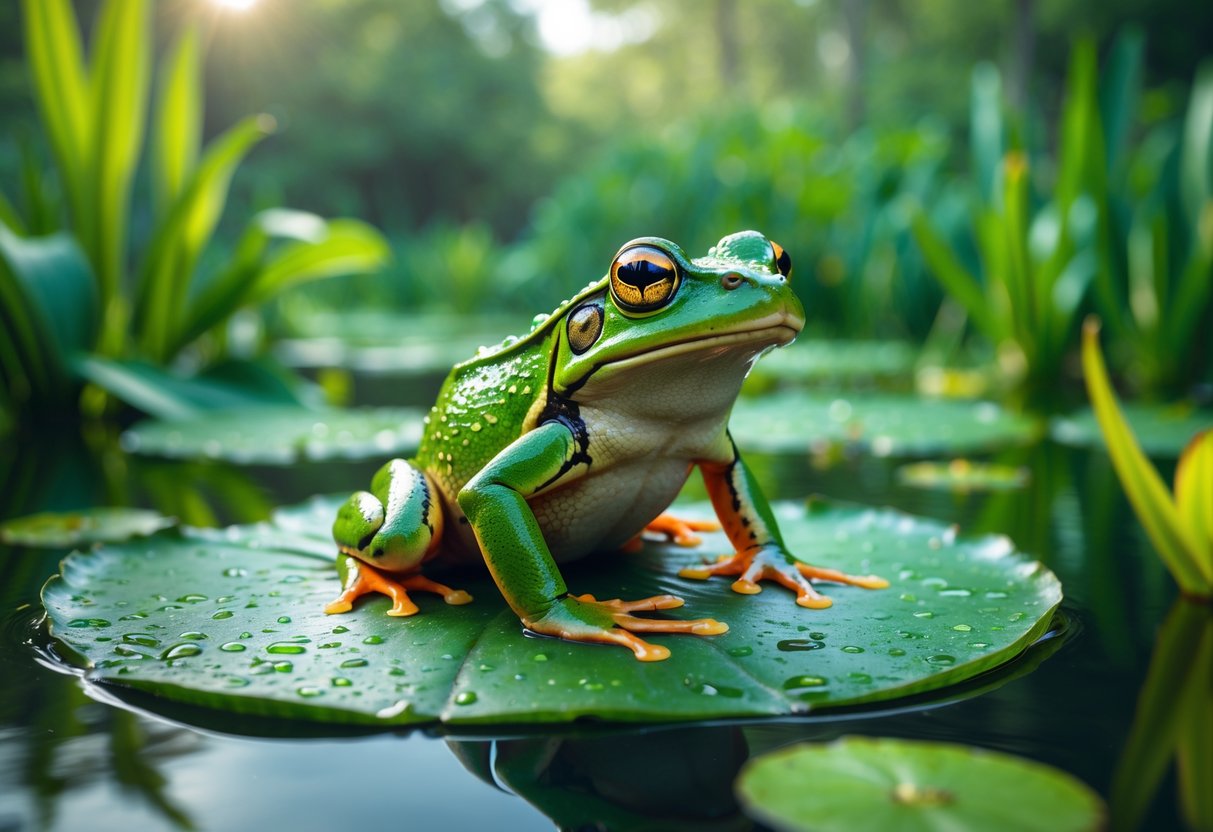
Frog lifespans swing a lot depending on their species and where they end up living. If you pay attention to these differences, you’ll notice how things like predators, losing their habitats, and climate changes really impact frog populations.
Lifespan Range by Frog Species
Different frog species can live for wildly different lengths of time. American Green Tree Frogs, for example, usually last 2 to 5 years in the wild.
Some tropical frogs only get about 2 years, while certain salamanders and newts—yeah, not frogs, but close—can make it over 20 years.
In captivity, frogs usually last longer because they aren’t dodging predators or dealing with tough conditions. Blanchard’s cricket frogs might only get 1 year in the wild, but if you keep them safe, they can go 4 years or more.
So, it’s not just genetics—it’s really about their survival odds.
Influences: Predators and Natural Threats
Predators and disease can seriously cut a frog’s life short. If the frogs around you have to dodge a lot of predators, they’ll probably live less and try to reproduce quickly before they get picked off.
Frogs with fewer threats can take their time and usually live longer. Some get around this by being active at night, which helps them avoid danger.
Disease outbreaks, especially in crowded places, can wipe out frogs and shorten their lives even more.
Role of Habitat Destruction and Climate Change
When people cut down forests or drain wetlands, frogs suddenly lose their homes. That kind of habitat destruction slashes their lifespan by taking away food, shelter, and places to breed.
You’ll probably notice frog populations drop fast after these changes. It’s honestly tough to watch.
Climate change just piles on more stress. Shifting temperatures and unpredictable rainfall make things even harder.
Frogs living near drying ponds or in places where the heat keeps rising usually don’t live as long. Their breeding cycles get thrown off, and survival gets tricky.
If we want frogs to stick around, we really need to protect their habitats. Curious about how all this affects their lifespans? Check out this detailed study on frog longevity and habitat.


