
Let’s talk about frogs in the garden. You might be surprised, but having a frog around can really help your plants and the whole vibe of your outdoor space.
Frogs munch on insects that would otherwise chew up your garden, so they basically act as natural pest control without you having to spray chemicals everywhere. That’s a win for your plants and a safer spot for you and your family.
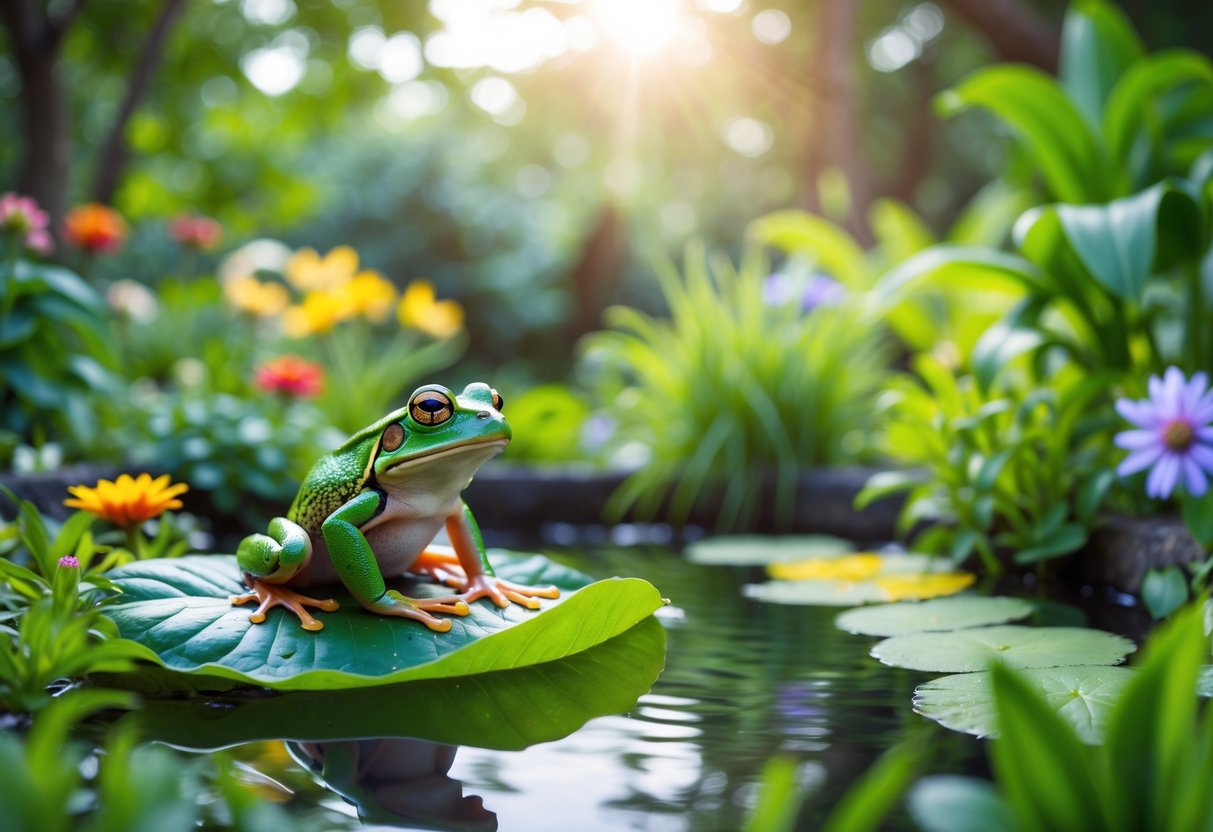
Maybe you’ve seen frogs hopping around or heard their croaks at night. If so, that’s a pretty good sign your garden’s in balance.
Frogs also add to the wildlife mix, making your yard more interesting to watch. Curious about how to attract frogs or why they matter? You’re definitely in the right place.
Benefits of Having Frogs in the Garden

Frogs bring some real perks to your garden. They eat pests, help out other plants and animals, and generally keep things healthier.
Toads and native frogs each play their own role, and there are a few things to keep in mind if you want to welcome them.
Natural Pest Control
Frogs and toads love snacking on pests like insects, slugs, and even the occasional spider. You’ll find your plants are safer and you won’t have to reach for chemical sprays as much.
For example, native frogs and toads quietly reduce the bugs that damage your leaves and fruit. Since they eat so many pests, frogs help keep your garden healthier overall.
You’ll probably notice fewer plant diseases and healthier veggies or flowers. Even your pets might get fewer bug bites.
If you’ve got a water source and some shelter, frogs do their best work and stick around.
Supporting Local Biodiversity
When frogs move in, your garden gets a boost in wildlife. Frogs fit right into the food chain and keep insect numbers in check.
If you plant native plants and maybe add a little pond, frogs will have what they need to thrive. That also means you’ll see more birds and good bugs.
Watching frogs do their thing can make you feel more connected to nature, right in your own backyard.
Frogs are a sign your garden isn’t overloaded with pollution or chemicals. Their presence helps keep other wildlife safe too.
Role of Toads and Native Frogs
Toads really pull their weight as a keystone species. They gobble up pests and help clean up the ground around your plants.
Native frogs often like certain plants and water spots, so they help keep your local ecosystem balanced. Each frog or toad has its own habits, but together they support your garden’s health.
You can help them out by leaving leaf piles, letting grass grow a bit, or putting in shallow water. Skip the pesticides—they’re tough on frogs.
Potential Drawbacks and Considerations
Frogs do a lot of good, but there are a couple of things to watch for. Sometimes they get noisy at night, which not everyone loves.
If you have a cat, you’ll want to be careful since cats might go after frogs. Frogs are sensitive to chemicals, so avoid using pesticides or fertilizers that could hurt them.
Make sure your water features are safe for small animals—frogs can get trapped or dry out if the setup isn’t right.
How to Create a Frog-Friendly Garden Environment

If you want frogs to stick around, you’ll need to add water, shelter, and safe spots in your garden. Design a good water source, add hiding places, and keep harmful stuff away.
These steps help frogs feel welcome—and make it more likely they’ll stay.
Designing a Frog Pond or Water Source
A frog pond is huge for attracting frogs since they need water to lay eggs and keep their skin moist. Make your pond shallow with sloped sides so frogs can get in and out easily.
Don’t add fish—fish eat frog eggs and compete for food. Use native aquatic plants like water lilies or duckweed for shade and cover.
Keep the water clean and skip the chemicals or chlorine. Frogs really prefer shallow water where they can hide and hunt.
Essential Habitat Features
Frogs need more than just water—they need places to hide and stay damp. Toss in some logs, rocks, or leaf piles for natural shelters.
These spots protect frogs from predators and harsh weather. Spread organic mulch to hold in moisture, and plant native shrubs and grasses for shade.
Dense plants give frogs a place to stay hidden. Try to keep some areas moist by watering regularly, but don’t overdo it.
This balance keeps frogs’ skin healthy and encourages them to hang around.
Safe Practices and Avoiding Predators
Keep your garden safe for frogs by skipping pesticides and harsh chemicals. These things can really mess with their sensitive skin.
Try using natural pest control, like ladybugs or just good old organic compost. It’s better for everyone, honestly.
Give frogs lots of places to hide from birds, snakes, or even your pets. If you have cats or dogs, maybe don’t let them wander too close to the frog spots.
Try to limit bright outdoor lights. Frogs come out at night, and too much light just freaks them out.
A quiet, dim spot near your pond will probably bring in more frogs than you’d expect.
If you want more ideas, this guide on creating a frog-friendly garden habitat is actually pretty helpful.


