
Ever heard a mysterious hoot echo through the night and wondered what it means? Owls make all kinds of sounds, but their most familiar cry is a hooting call—it’s how they talk to each other and defend their territory. Each species has its own style, too. Some, like the Barred Owl, go for deep, steady hoots, while others, like the Barn Owl, let out high-pitched screeches.

If you listen closely, you’ll realize owls don’t just “hoot.” Some trill, others whistle, and a few even whinny. Why do they do this? Well, it depends on what they’re trying to say.
Once you start picking up on these sounds, you’ll get better at figuring out which owl is nearby. It’s a fun way to tune into those quiet nighttime moments.
Learning the different owl calls can make night walks a lot more interesting. You might start to recognize the “voices” of your local owls and realize there’s a whole soundtrack happening after dark.
Want to hear some real-life examples? Try the Barred Owl’s call or the Barn Owl’s scream.
Different Types of Owl Cries

Owl sounds can be surprisingly different from one species to another. You might catch steady hoots, sharp screeches, or even gentle whistles.
Each sound has a job to do—sometimes it marks territory, sometimes it’s just owl chatter.
Hoots and Classic Calls
Most people think of a deep “hoot” when they picture an owl. That’s not wrong—many owls have a classic, steady call they use for claiming space or attracting a mate.
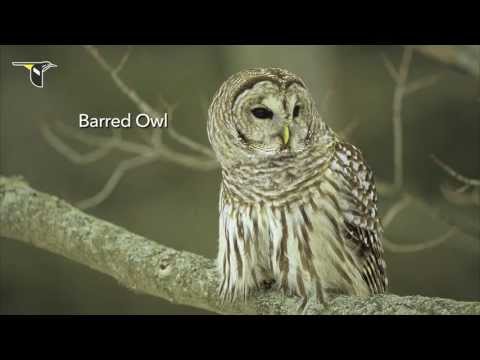
The Barred Owl, for example, does an 8-9 note hoot that people remember as “Who cooks for you? Who cooks for you-all?” That call can really travel through the woods.
Hoots usually come slowly, with space between each one. Owls use these calls to communicate without wasting energy.
If you listen carefully, you might catch a soft wheeze at the end, which adds extra meaning. These hoots are what most folks imagine when they think of an owl at night.
Screeches and Screams
But not every owl sticks to hooting. Some, like the Barn Owl, let out screeches or sharp, piercing screams.
These calls are louder, sometimes downright startling. They can mean danger, excitement, or a warning to other animals.
Screeches are short and intense, not slow and steady like hoots. They might sound harsh or even a little spooky in the dark.
You’ll often hear these calls if an owl feels threatened or wants to scare off intruders. And yes, baby owls sometimes screech when they’re hungry and want their parents’ attention.
Trills, Whinnies, and Whistles
A few owls get even more creative. Some make trills, whinnies, or soft whistles.
These sounds tend to be quicker and gentler than hoots or screeches. The Northern Saw-whet Owl, for example, mixes in a five-note “hoo” with a trill.
Trills and whistles might be playful or part of a courtship routine. Whinnies have a sliding, almost laughing quality and can show different moods.
If you really pay attention, you’ll notice these subtle sounds give owls a whole extra layer of expression. There’s a lot more happening than just basic hooting.
You can listen to many of these calls on Know Your Nocturnal Neighbors: Nine Owl Calls to Listen For or check with the Cornell Lab of Ornithology.
Why Owls Cry Out
Owls don’t just call out for fun. They use their cries for important things like talking to each other or marking their turf.
Their voices help them find mates and keep their home safe. If you learn to pick out these calls, you’ll start to understand what an owl might be saying out there in the dark.
Communication Between Owls
When an owl cries out, it’s usually trying to reach another owl. Sometimes it’s keeping in touch with family, or maybe letting a mate know where it is.
Some owls use trills, whistles, or hoots as their “messages.” For example, Eastern Screech-Owls often trill to stay close with their mates and family.
You might also hear warning calls or quick check-ins with nearby owls. These sounds can travel far through the nighttime air, making sure the message gets across.
Territorial Behavior and Mating Calls
Owls don’t just sit quietly in the trees—when they want to claim their territory, they call out, and they do it loudly. They basically warn other owls to stay away, which saves everyone a lot of trouble and avoids unnecessary fights.
You might catch a long hoot, an odd cackle, or even a screech that makes you wonder what’s out there. Each sound has its own meaning, but they all help mark out the owl’s turf.
When breeding season rolls around, males really ramp up the noise. They use special calls to show off their strength and let females know they’re ready to find a mate.
Some owls, like the Barred Owl, have pretty recognizable calls—maybe you’ve heard that classic “Who cooks for YOU?” echoing through the woods. These calls don’t just attract mates; they help owls recognize each other and keep pair bonds strong within their chosen territory.


