
When exploring the world of rabbits, you might wonder what to call a female bunny. A female rabbit is called a “doe.” This term is helpful for anyone interested in rabbit care, breeding, or simply getting to know these adorable animals better.
Knowing the correct terminology can deepen your understanding of bunnies and their needs. Whether you’re a curious pet owner or a budding rabbit enthusiast, learning more about does can enhance your conversations and connections within the rabbit community.
Understanding Rabbit Terminology

When you explore rabbit terminology, you’ll come across important distinctions between male and female rabbits. Understanding these terms can help you care for your pets better and appreciate their behaviors and needs.
Differences Between Male and Female Rabbits
In the rabbit world, the female is called a doe, while the male is known as a buck. Recognizing these terms is essential for pet owners and rabbit enthusiasts.
Female rabbits are often identified by their nurturing behavior, especially during mating seasons. They can also exhibit nesting instincts when pregnant. Males, on the other hand, tend to be more territorial and may showcase dominant behaviors.
In many rabbit breeds, both domestic and wild rabbits, these gender differences are clear. While bucks may be more playful, does show strong motherly traits, especially when caring for their young.
Rabbit Reproduction and Nesting
Rabbit reproduction is fascinating, especially since does are induced ovulators. This means they can become pregnant after mating, which can happen multiple times within a short time frame.
When a doe is pregnant, her gestation period lasts about 28 to 31 days. You can expect an average litter size of about 4 to 12 kits, depending on the breed and the doe’s health.
After birth, the mother rabbit will build a nest using fur and hay to keep her kits warm. Nesting is crucial for their survival in both domestic and wild settings.
Rabbit Care and Management
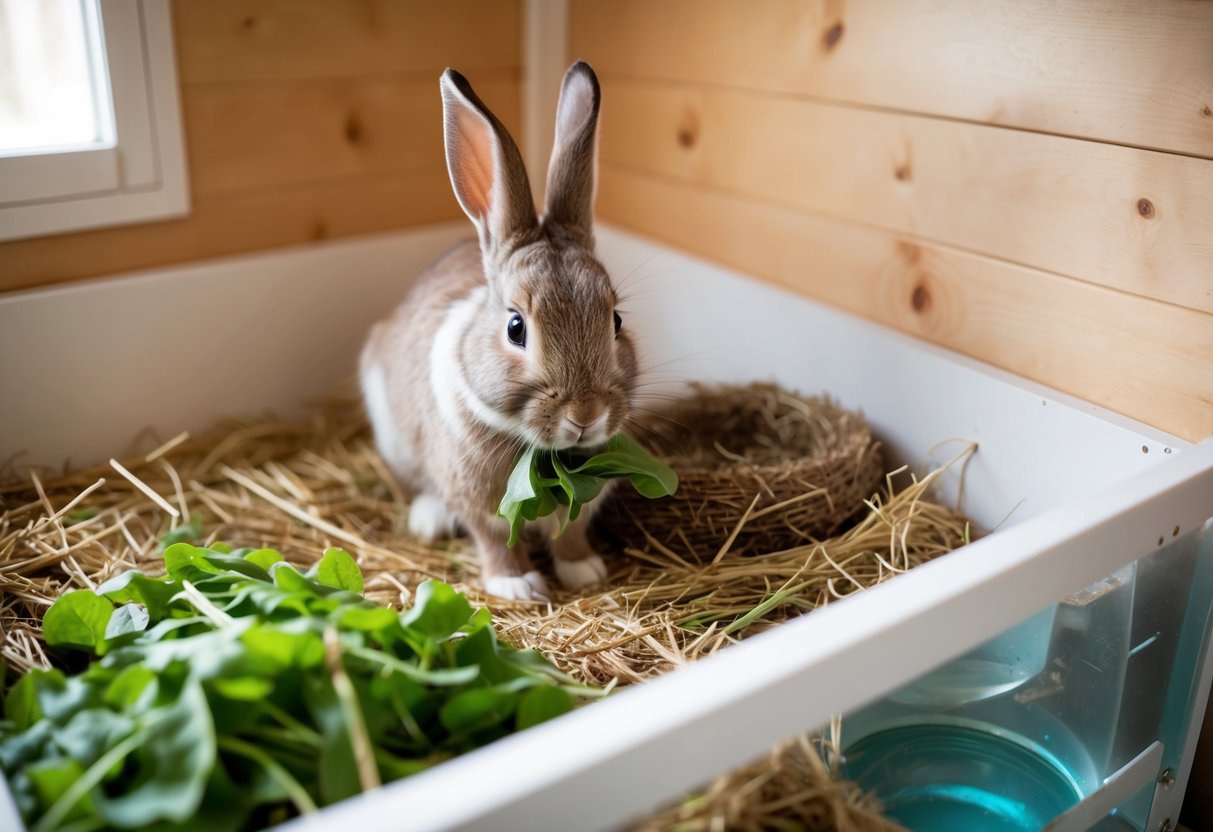
Caring for a female rabbit, or doe, involves understanding her health, wellness, and social needs. You’ll want to be aware of her grooming requirements and behavior patterns to ensure she thrives in your home.
Health and Wellness
Regular health checks are crucial for your female bunny. Look for signs of illness, such as changes in appetite or litter box habits.
Spaying your doe can prevent health issues and unwanted litters. Always consult your vet about this procedure.
A healthy diet is essential. Provide high-quality hay, fresh vegetables, and limited pellets. Monitor her weight to avoid obesity, which is common in pet rabbits.
Don’t forget routine grooming, as it helps reduce shedding and matting, especially around the dewlap, a fold of skin under her chin.
Behavioral Traits and Social Structure
Understanding your doe’s behavior enhances her happiness and well-being.
Rabbits are social animals and often thrive in colonies. If possible, consider getting her a companion to prevent loneliness.
Your doe may exhibit territorial behavior, especially if she feels her space is threatened. Provide a safe, cozy area for her to relax and explore.
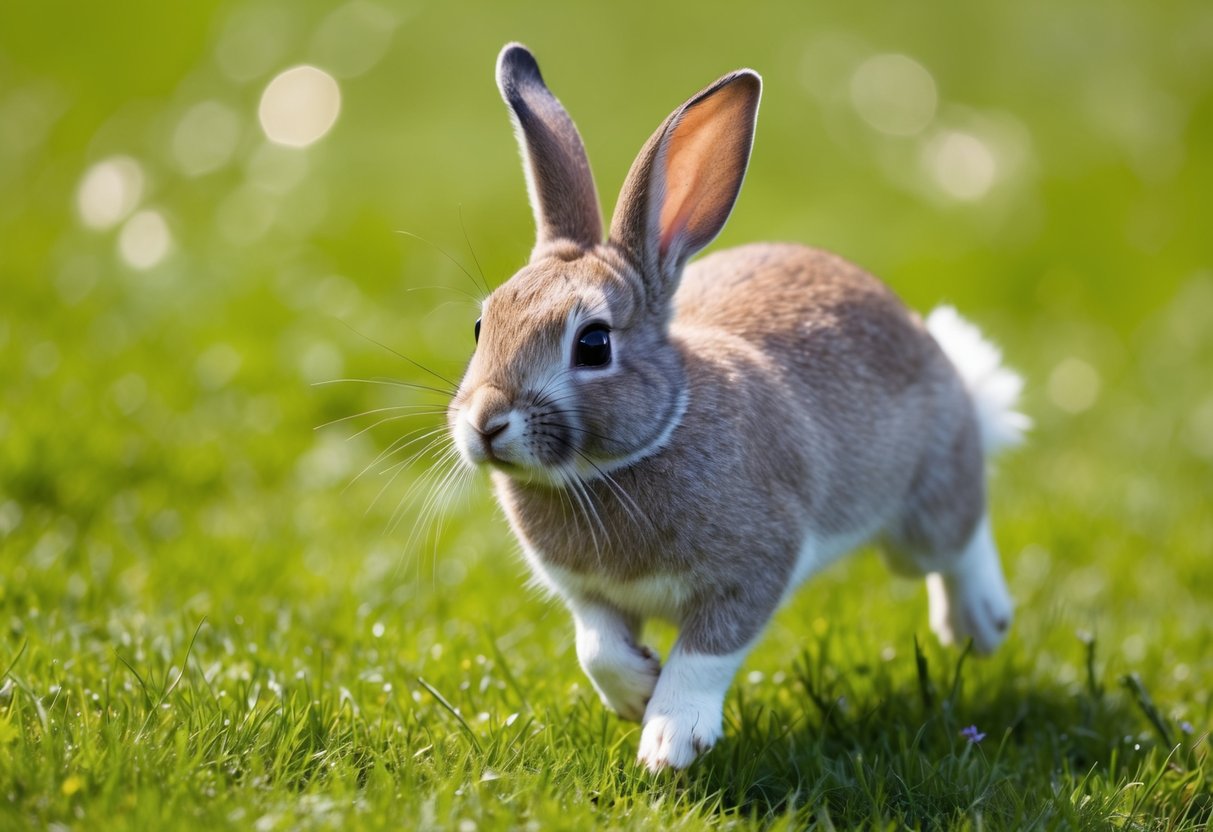
Watch for signs of happiness, like “binkies,” which are joyful jumps.
Regular interaction helps you bond with your bunny. Engage in gentle play and let her explore her surroundings. Through positive reinforcement, she will learn desired behaviors and become more comfortable with you.
Popular Rabbit Breeds and Shows
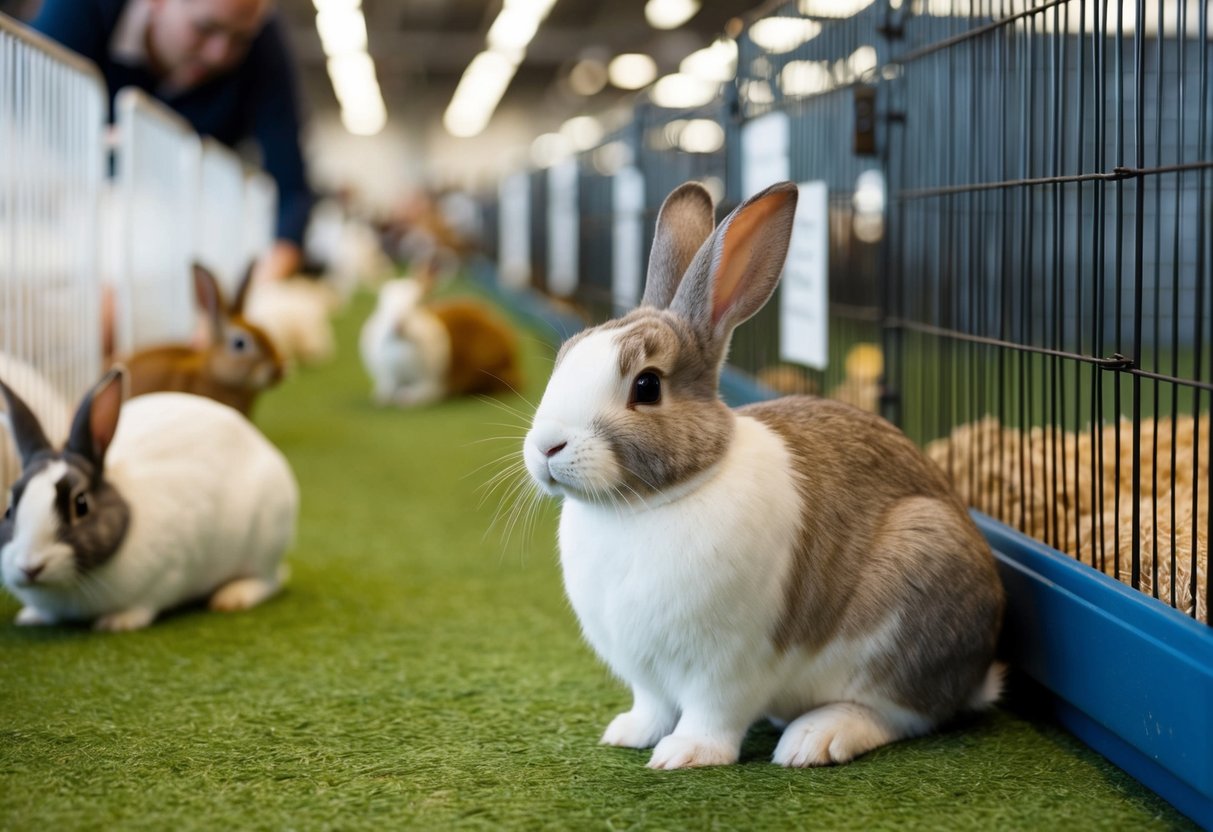
Rabbits come in various breeds, each with unique traits. Rabbit shows provide a fun way to see these breeds while showcasing their best features. Let’s explore some distinctive breeds and the exciting world of rabbit shows.
Distinctive Rabbit Breeds
Some popular rabbit breeds include the Lionhead, Dutch, and Holland Lop. Each breed has its own charm and qualities.
- Lionhead: Known for their fluffy manes, Lionheads are friendly and make great pets. They come in various colors and have a playful nature.
- Dutch: With their distinctive markings, Dutch rabbits are compact and friendly. They are known for being sociable and good with families.
- Holland Lop: These bunnies have floppy ears and a sweet temperament. They are popular for their cute appearance and gentle personality.
You can find these breeds in homes as pets or in rabbit shows, where their looks and behaviors attract attention.
Rabbit Shows and Exhibitions
Enthusiasts find rabbit shows exciting events. Here, you can see many breeds on display, including does (female rabbits) and bucks (male rabbits).
Judges will evaluate the rabbits based on breed standards, such as size, coat, and temperament.
In these events, you might also see kits (baby rabbits), adding to the charm.
Rabbit shows encourage owners to improve their breeding lines and connect with other rabbit lovers. It’s a wonderful way to appreciate the skills and care involved in raising these adorable pets.


