
Finding the right food for your rabbit is important for their health and happiness. With so many options available, you might wonder what really is the best rabbit food.
The best rabbit diet relies heavily on hay, especially timothy hay, which should account for about 70% of their food intake.
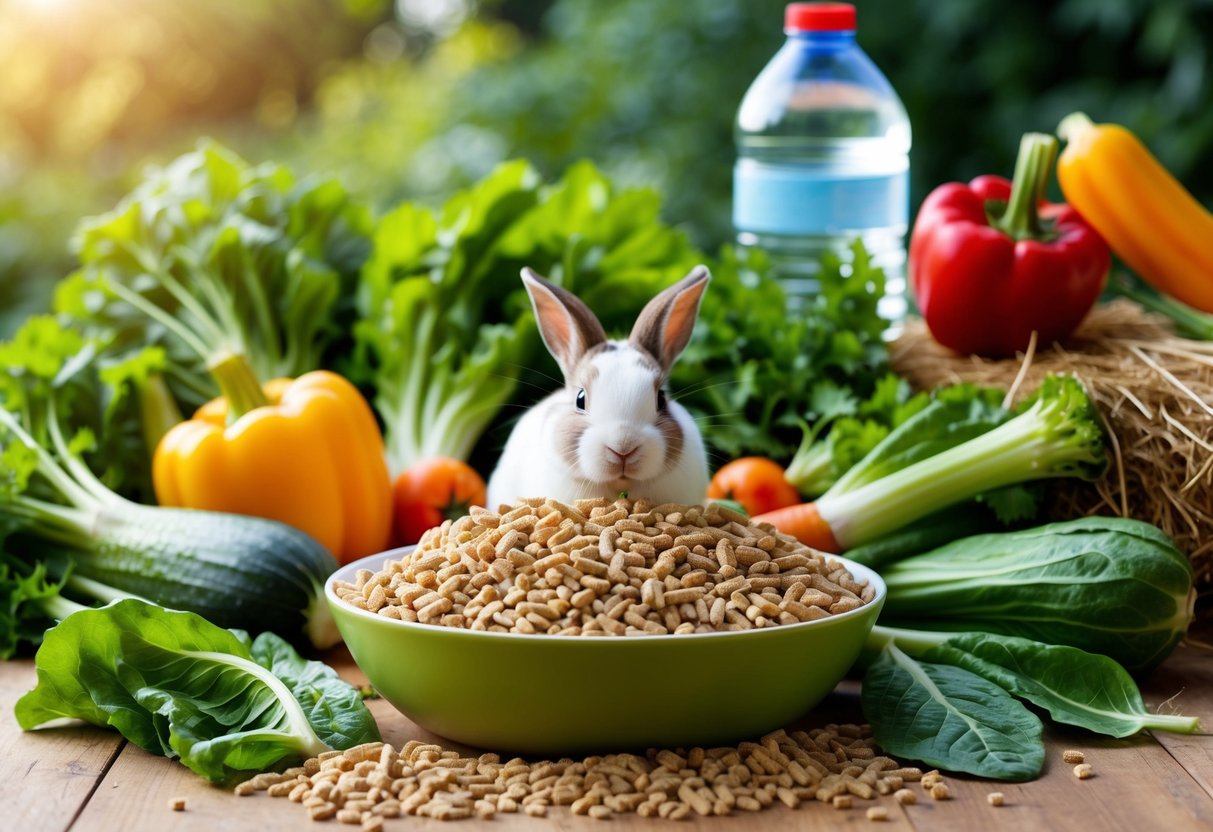
In addition to hay, you can supplement their diet with high-fiber pellets and fresh vegetables. This combination ensures that your rabbit gets the necessary nutrients to thrive.
Whether you have a baby bunny or an adult, each stage of their life may require different nutritional needs. Paying attention to these needs will help you provide a balanced diet that keeps your rabbit healthy and active.
Understanding Rabbit Nutrition

Rabbits have unique nutritional needs that are vital for their health. A balanced diet provides essential nutrients and supports their digestive system. Knowing these needs helps you make better choices for your furry friend.
Nutritional Needs of Rabbits
Rabbits require a well-rounded diet to stay healthy. Their main nutritional needs include a balance of fiber, protein, fats, vitamins, and minerals.
- Fiber should make up about 85% of their diet. It helps maintain digestive health, prevents issues like hairballs, and supports healthy teeth.
- Protein levels should range from 12% to 14% for adults. Young rabbits may need slightly more for growth.
- Fats content should be low, ideally less than 3%. High-fat diets can lead to health problems.
It’s also essential to include key vitamins like Vitamin A, D, and E, which support eye health, bone strength, and immune function.
The Role of Fiber in a Rabbit’s Diet
Fiber is crucial for a rabbit’s digestive health. It aids in digestion and helps prevent gastrointestinal stasis, a serious condition.
Hay should be the primary fiber source. Timothy hay is often recommended due to its high fiber content.
Fresh leafy greens can also contribute fiber but should be introduced gradually.
A healthy amount of fiber helps keep your rabbit’s gut moving. Without it, your rabbit may face issues like bloating or constipation.
Ensure your rabbit has access to fresh hay at all times. This unlimited supply promotes better dental health as well, keeping their teeth naturally worn down.
Protein, Fats, and Carbohydrates
In addition to fiber, rabbits need protein and a very small amount of fat.
- Protein helps with tissue repair and growth. Look for pellets that contain protein levels of 12-14% for adults.
- Fats should be minimal; avoid products with more than 3%. Excessive fats can lead to obesity.
- Carbohydrates are also present in hay and vegetables, but they should come from high-fiber sources to ensure good digestive health.
Focus on providing a variety of fresh vegetables while avoiding high-carb treats. These choices keep your rabbit healthy and energetic.
Recommended Rabbit Foods

When choosing the best rabbit food, focus on a balanced diet that includes hay, pellets, and fresh vegetables. The right combination will keep your bunny healthy and happy, giving them the nutrients they need.
Top Hay Choices for Optimal Health
Hay is crucial for your rabbit’s diet. It helps their digestion and keeps their teeth worn down. The best options include timothy hay, orchard hay, and oat hay. These types are high in fiber, which supports gut health.
Alfalfa hay is another option, but it is richer in protein and calcium, making it better for young rabbits or those needing extra nutrition.
A good choice for most adult rabbits is Small Pet Select Timothy Hay. It’s known for its high quality and fresh aroma, appealing to even the pickiest eaters. Make sure to provide unlimited hay daily.
High-Quality Pellets for Balanced Diet
Pellets are a convenient way to ensure your rabbit gets essential nutrients. Look for brands like Oxbow Essentials Adult Rabbit Food and Kaytee Forti-Diet Pro Health Adult Rabbit Food. These options contain natural ingredients and are fortified with vitamins.
When choosing pellets, ensure they are high in fiber (at least 18%) and low in protein (around 14%). Avoid mixes with added seeds and dried fruit, as these can lead to obesity and digestive issues. Measuring out the recommended serving size daily helps maintain your rabbit’s health.
The Importance of Fresh Vegetables and Leafy Greens
Fresh vegetables and leafy greens are vital for adding variety and nutrients to your rabbit’s diet. Offer a mix of greens like romaine lettuce, kale, and cilantro. Introduce new items slowly to avoid digestive upset.
Limit starchy vegetables like carrots and avoid iceberg lettuce.
Aim for 1 to 2 cups of fresh veggies daily, adjusting based on your rabbit’s size. Remember, variety is key in your rabbit’s diet to ensure they receive a wide range of nutrients.
Feeding Young and Adult Rabbits

Understanding the differences in dietary needs for young and adult rabbits is essential for their health. Your rabbit’s age and activity level will guide you in selecting the best foods that support their growth and energy levels.
Differences in Dietary Needs
Young rabbits have different dietary requirements compared to adults. They need more calcium and protein to support their rapid growth.
Alfalfa hay is an excellent choice for young rabbits due to its higher calcium content. It is softer and sweeter, making it more appealing to them.
In contrast, adult rabbits thrive on a diet lower in calcium to prevent health issues. For adults, timothy hay is the best hay option. Aim for around 85% hay in their diet.
While adult rabbits still need pellets, they should be lower in protein. Products like Oxbow Garden Select Adult Rabbit Food and Kaytee Forti-Diet Pro Health work well.
Selecting Food Based on Age and Activity
When choosing food, consider your rabbit’s age and how active they are.
Young rabbits benefit from a diet rich in protein, such as Oxbow Essentials Young Rabbit Food. This food is formulated to support growing bunnies.
For adult rabbits, stick to options like timothy-based pellets or small pet select rabbit food pellets. These provide essential nutrients without excessive protein.
Encouraging foraging instincts is crucial, so offer a variety of fresh vegetables along with hay.
Make sure to monitor your rabbits’ health and adjust their diets as needed. Proper feeding ensures they stay happy and active at every stage of their life!
Health Considerations and Specialty Foods
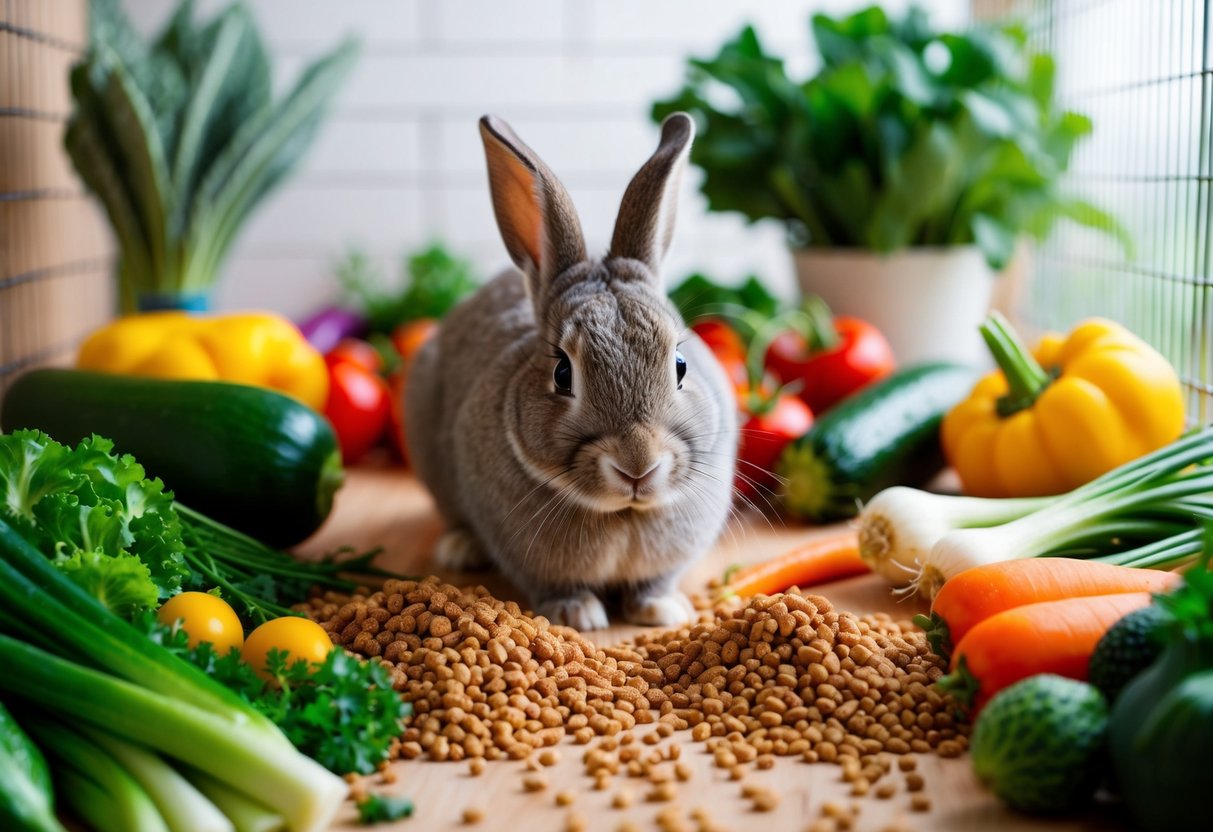
When choosing the best rabbit food, it’s important to think about your bunny’s health needs. Focusing on dental and digestive health, along with specialty diets, can make a big difference in your pet’s well-being.
Preventing Dental and Digestive Issues
Your rabbit’s diet plays a key role in preventing dental and digestive problems.
Rabbits’ teeth grow continuously, so they need hay as the main part of their diet to wear down their teeth properly. A lack of fiber can lead to dental issues and improper chewing.
In addition to hay, monitor their water intake and make sure fresh greens are included. Digestive health is vital to avoid conditions like GI stasis, which can be serious.
High Fiber and Probiotics for Well-Being
Fiber is essential for your rabbit’s diet. It helps with digestion and keeps the gut healthy. Aim for foods that contain at least 20% fiber. This includes hay and specially formulated rabbit pellets. Brands like Oxbow Essentials Bunny Basics Young Rabbit Food provide a good balance of nutrients for growing rabbits.
Adding probiotics can also support gut health. Probiotics can help with digestion and improve overall well-being.
Many rabbit treats are now available with added probiotics. These can be a tasty way for your bunny to benefit from good gut bacteria, promoting a happier and healthier rabbit.
Specialized Rabbit Diet Options
Specialized diets are available for different needs. For example, young rabbits benefit from high-protein diets like Mazuri Timothy-Based Rabbit Diet. This diet provides essential nutrients that support growth.
If your rabbit has health issues, talk to your vet about a tailored diet. Some rabbits may need lower fat content or specific amino acids to manage conditions. Always choose rabbit food with a mineral content that meets their requirements without causing any risks to their health, like excessive calcium. This will help you maintain their health and happiness.


