
When naming your furry friend, you might wonder what we actually call a male dog. The simplest answer is that a male dog is often just referred to as a “dog,” but specific terms like “male dog,” “stud,” or “sire” can also be used. This terminology might seem basic, but knowing the right name can help you communicate better, especially in conversations about breeding or training.
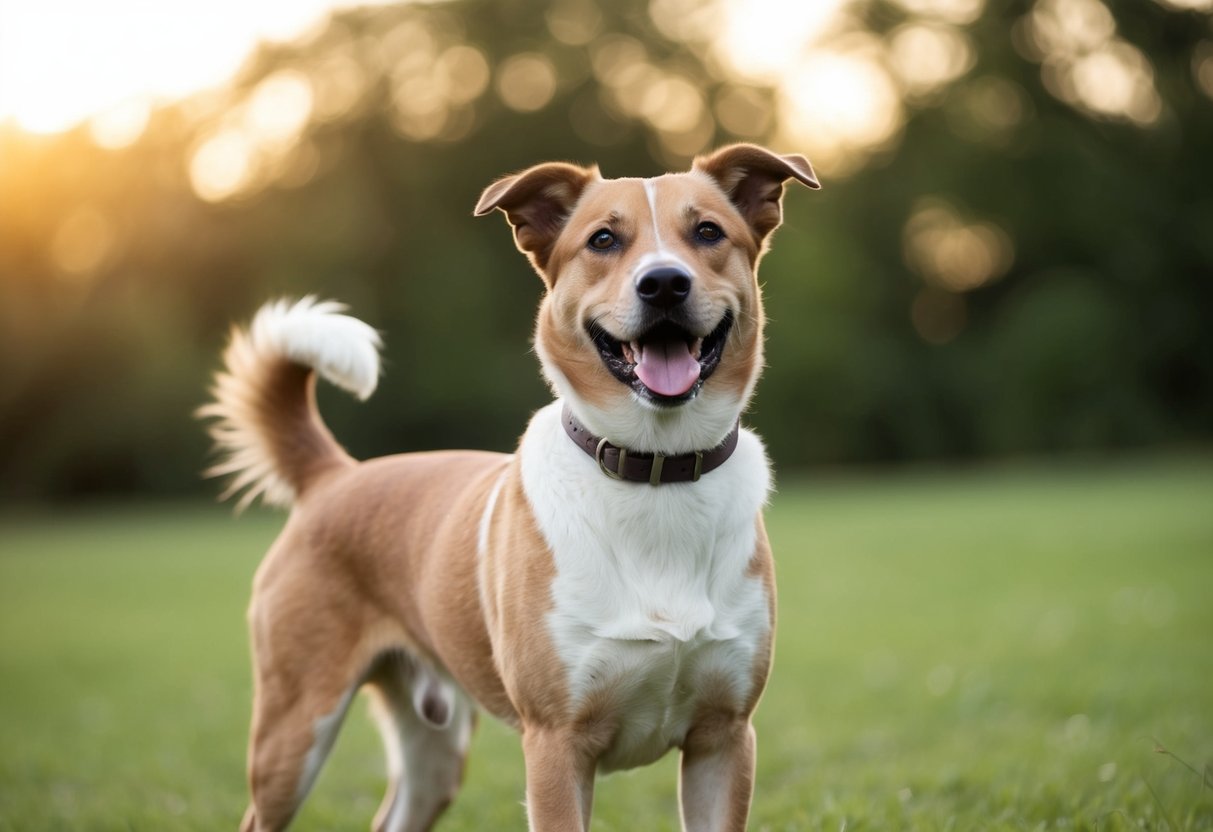
Every pup has its own personality, and whether you have a playful boy or a loyal canine companion, understanding what to call them is part of the fun. In this article, you’ll discover more about the different names for male dogs and what they mean. You’ll also learn about the nuances of male dog terminology, ensuring you use the right words when talking about your special pup.
So, whether you’re a proud owner of a tiny puppy or a big, strong dog, there’s always more to learn about these beloved pets. Join us as we explore the world of male dogs and the names that suit them best!
Terminology and Definitions
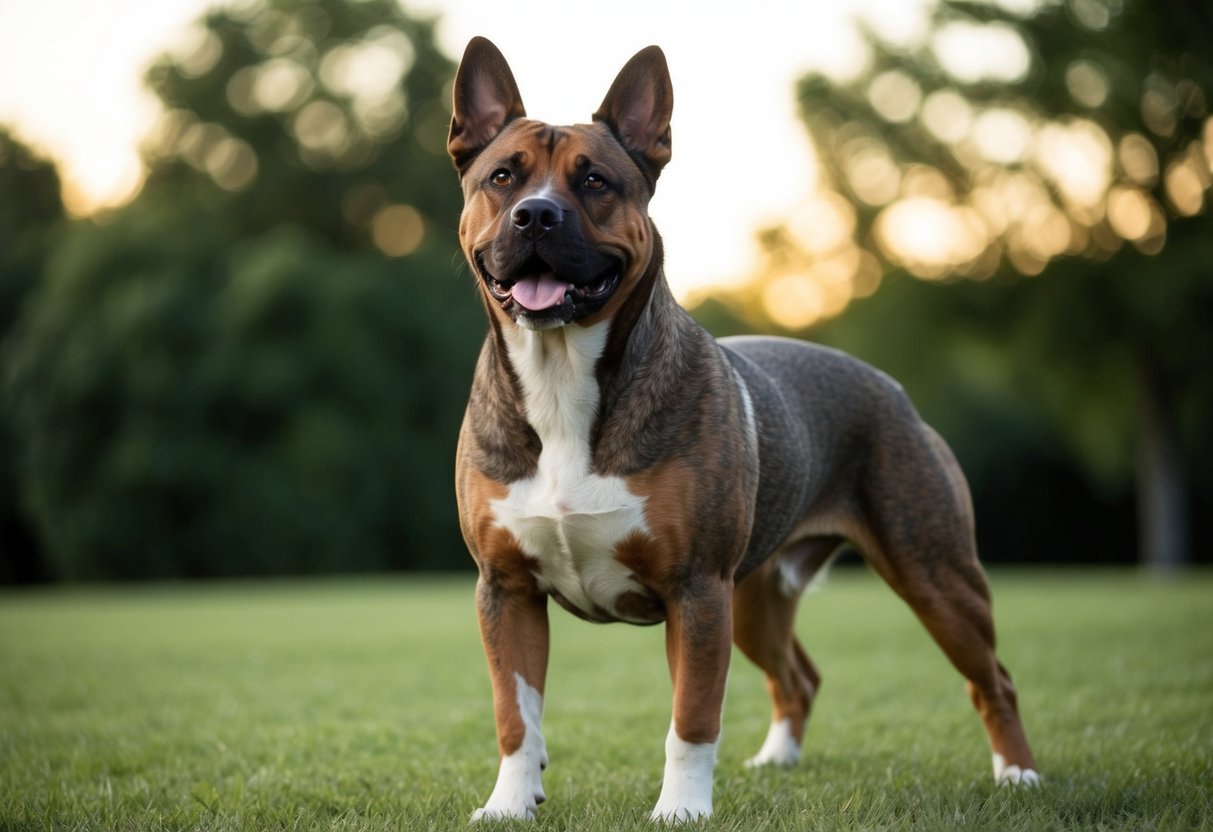
Understanding the terms used to describe male dogs can help you communicate better about your furry friend. Whether you’re talking casually or discussing breeding, knowing the right words makes all the difference.
Common Names
The most straightforward term for a male dog is simply “male dog.” In casual conversation, you might hear terms like “buddy,” “good boy,” or even specific names like “Max” or “Jerry.” When breeding is involved, the terms “sire” and “stud” come into play. A sire is a male dog that has produced puppies, while a stud specifically refers to a male used for breeding.
Using these terms helps clarify what you mean, especially when discussing breeds, pedigrees, or canine health. For example, you might say, “My dog is a stud in breeding circles,” meaning he is used for siring puppies. It’s essential to know these distinctions, especially if you’re new to dog ownership or breeding.
Breed-Specific Terms
Certain terms may be more relevant depending on the dog breed. For instance, in hunting breeds, the term “hound” often describes male dogs trained for tracking or chasing. Breeds like Boar Hounds are known for their ability to hunt wild boars. Meanwhile, K9 is a term often used in police work to describe highly trained dogs.
In some cases, language varies based on context. For example, a male dog used in a specific job might be referred to based on that role, such as “police dog.” You might also hear “cur,” which generally describes a mixed breed dog, often used for various tasks. Understanding these terms enriches your discussions about dogs and their roles.
Reproduction and Breeding

When it comes to male dogs, their role in reproduction plays an important part in breeding practices. Understanding their breeding status and the proper care they need is essential for both breeders and pet owners.
Role in Breeding
A male dog is often called a stud when used for breeding purposes. In this role, he helps produce puppies with desirable traits. When he successfully breeds with a female dog, known as a bitch, he is referred to as a sire.
Breeding circles focus on the lineage and health of both the sire and the dam. Keeping track of genetic traits is crucial to ensure healthy puppies. During the breeding process, it’s vital to monitor the female’s heat cycle to time the mating correctly for the best chance of conception.
Health and Care
Health and care are crucial for male dogs involved in breeding. Regular check-ups with a veterinarian can help prevent issues like testicular cancer and ensure overall health. A healthy stud dog has a better chance of producing robust and healthy pups.
Neutering is a common option for pet owners who do not plan to breed their male dogs. Neutered dogs often lead healthier lives and are less prone to certain health problems. In contrast, if you choose to keep your male dog intact, make sure you provide proper veterinary care and maintain a balanced diet to support his breeding status. Regular health screenings are essential to catch any issues early.
Cultural and Social Aspects

Your relationship with your male dog is influenced by cultural views and social trends. The way society views dogs can affect how you interact with your canine companion. Understanding these aspects can help you appreciate your pooch even more.
Dog Ownership
Being a dog owner today comes with various responsibilities and joys. Many people see their dogs as family members. You might refer to your male dog with terms like “doggo” or “doggie,” reflecting a friendly bond.
Owning a dog can also include training and socialization. You might participate in activities that help your pooch interact well with others. The way dogs are treated can vary by culture, too. Some cultures emphasize a strong connection between humans and canines, while others may see them as working animals.
Gender Differences in Society
Society often assigns different meanings to male and female animals. For example, terms like “alpha” and “macho” can describe traits expected from male dogs. Some dog owners might feel a special connection to male dogs due to these societal norms.
In many cultures, the concept of a male wolf as a leader influences how we see male dogs in a pack. Understanding this is key to how you train and socialize your male dog.
Your perception of your pet can reflect these gender differences, impacting your training methods and the bond you share.


