
When you think about your furry friend, you might wonder what scientists actually call dogs. These beloved companions belong to the species known as Canis familiaris. This name reflects their long history as domestic animals and their close relationship with humans.

In scientific terms, “dogs” often refer to both their common and scientific names. While you might call your pet a “dog,” in research and study contexts, they may be labeled simply as “canines” or “domestic dogs.” This classification helps scientists communicate more clearly about various breeds and traits.
Understanding what scientists call dogs can deepen your appreciation for these animals. Knowing they are scientifically recognized as Canis familiaris highlights their significance in our lives and the research done about them.
This blog post will explore the terminology and delve into why these names matter, giving you a richer understanding of your loyal friend.
History and Genetics of Dogs

Dogs have a rich history that traces back to their wild ancestors, the wolves. Understanding their journey from wolves to the domestic companions you know today involves genetics, evolution, and human interaction. This history is essential for appreciating the bond between humans and dogs.
From Wolves to Domestic Dogs
The journey of dogs begins with their genetic connection to wolves, specifically the gray wolf, Canis lupus. Research shows that dogs are classified as Canis lupus familiaris, indicating their close relationship with wolves.
Dogs were likely first domesticated by hunter-gatherers over 15,000 years ago. These early humans formed bonds with wolves, leading to mutual benefits like protection and assistance in hunting. Scientists study mitochondrial DNA to understand this domestication process better.
As wolves adapted to life with humans, they developed unique traits. Selective breeding over generations allowed certain wolves to evolve into dogs, focusing on behaviors that made them good companions. This evolution is a fascinating interplay of nature and nurture.
Evolution of Dog Breeds
Dogs today show an incredible diversity in breeds. Genetics plays a crucial role in this variety. Different breeds have unique physical traits and behaviors due to gene variations and specific alleles that breeders selected over time.
Charles Darwin’s theories on evolution help explain how these dog breeds developed. Natural and artificial selection helped produce traits suited for various tasks, from herding to guarding.
Some breeds share more recent ancestry, while others can trace their lineage back thousands of years. The rich tapestry of dog breeds reflects the connection between humans and their needs, shaping companion animals to fit into different roles in society.
Understanding Dog Behavior and Cognition
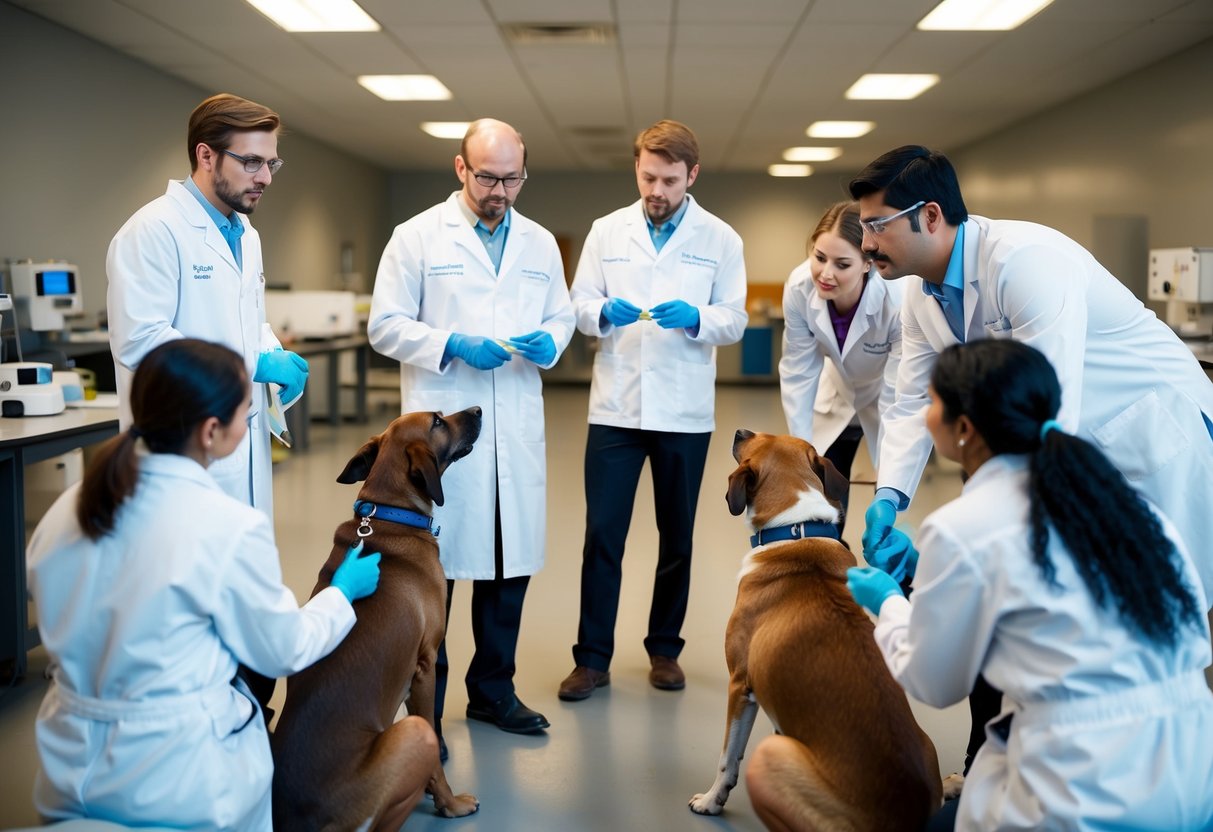
Dogs have fascinating behaviors and cognitive skills that continue to intrigue scientists and pet owners alike. From how they communicate with humans to their problem-solving abilities, there is much to explore. Here are some key insights into dog cognition and social bonds.
Cognitive Abilities in Dogs
Dogs possess impressive cognitive abilities that rival those of many animals. Studies show they can learn commands, understand gestures, and even solve problems. Research indicates that dogs can comprehend about 165 human words, similar to a two-year-old child.
Their ability to recognize emotions, both in humans and other dogs, plays a crucial role in their adaptability. For example, dogs often respond differently to happy versus sad expressions. This emotional intelligence helps them form strong bonds with you.
Veterinary medicine often emphasizes the importance of understanding these cognitive abilities when assessing a dog’s health and behavior. Biologists study these traits to better comprehend animal behavior, focusing on how dogs adapt to their environments.
Social Bonds and Communication
The social bonds dogs form with humans are vital to their well-being. Dogs are pack animals, and they thrive on companionship. Their communication methods include barks, whines, and body language.
For instance, a wagging tail can signal excitement or happiness, while a lowered head might indicate submission or fear. Understanding these signals is crucial for building a strong relationship with your dog.
You might notice how your dog reacts to your mood. They can sense stress or happiness and often adjust their behavior accordingly. This connection highlights their unique ability to read social cues, something scientists continue to study in the field of animal behavior.
Physical Characteristics of Dogs
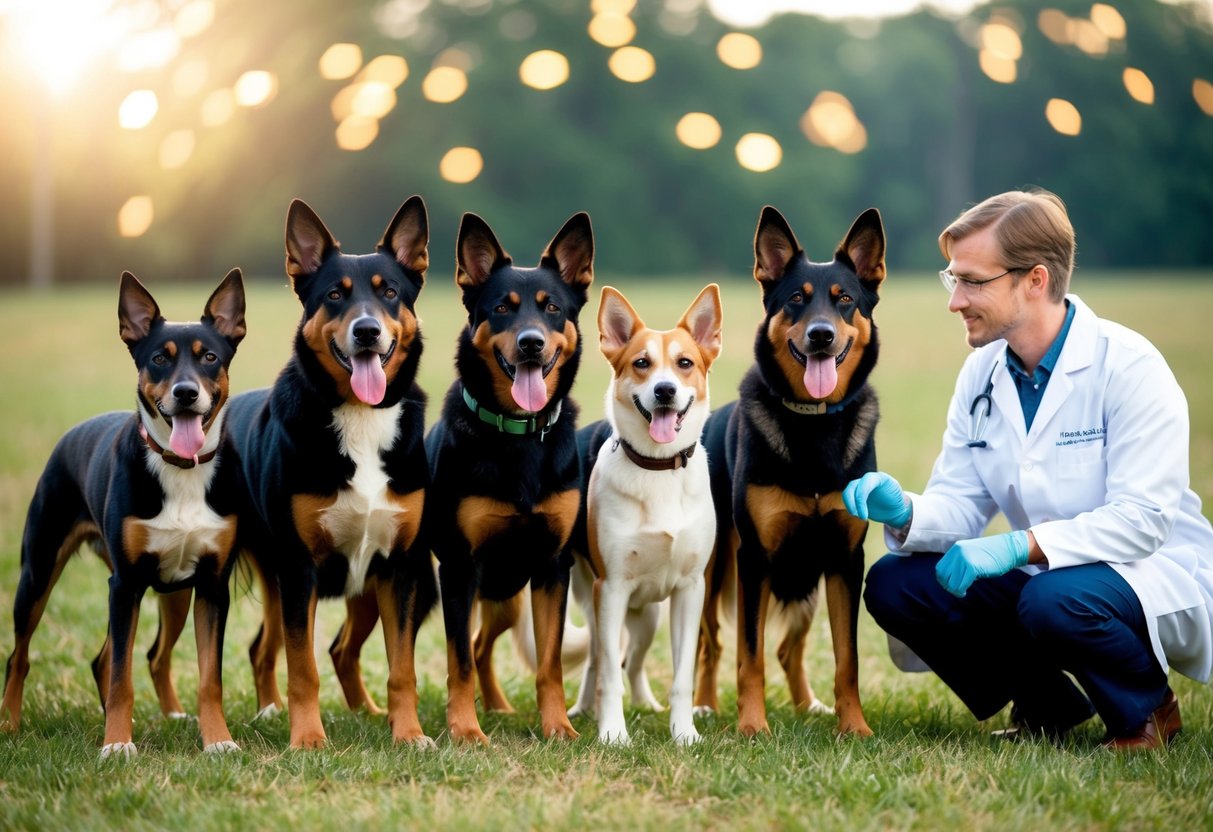
Dogs exhibit a fascinating range of physical traits. These traits vary significantly across different breeds, influenced by their specific anatomy and body size. Understanding these differences is essential for dog owners, as they highlight the unique characteristics that make each breed special.
Breed-Specific Anatomy and Body Size
When you think about dogs, size is often the first thing that comes to mind. For example, a Chihuahua stands just about 5 inches tall, while a Great Dane can reach up to 32 inches at the shoulder. This wide range in height reflects the diversity in breeds.
German Shepherds are known for their strong, muscular build, which makes them excellent working dogs. They combine strength with agility. On the other hand, an Irish Wolfhound is designed for speed and endurance, with a slender frame and long legs.
Dog breeds also differ in body shape. Some breeds like Bulldogs have a stocky, compact structure, while Greyhounds are built for racing with long, lean bodies. These variations in anatomy shape how dogs move and support their activities.
Adaptations and Health Considerations
Different breeds come with unique adaptations that have developed over time. For instance, the thick fur of some dogs, like the German Shepherd, helps them stay warm in cold climates. On the flip side, short-haired breeds, like Chihuahuas, may need extra care in the colder months.
Health considerations are also tied to anatomy. Larger breeds like the Great Dane can be prone to certain health issues, such as hip dysplasia and heart problems. Smaller breeds like the Chihuahua may face dental issues due to their tiny mouths.
Understanding these adaptations helps you care for your dog better. Knowing their breed-specific traits allows you to provide appropriate environments, exercise, and health care.
Dogs in Human Society

Dogs play a vital role in our lives, offering companionship and assisting in various fields such as science and medicine. Their long-standing relationship with humans has made them indispensable in numerous ways.
Companion Dogs and Their Roles
Companion dogs are more than pets; they are loyal friends that provide emotional support. Many people rely on them for comfort and companionship, especially during tough times.
Service dogs are trained to assist those with disabilities, including diabetic patients. These dogs can detect changes in blood sugar levels, alerting their owners when insulin is needed. Their ability to sense fluctuations in diabetes management is impressive and life-saving.
Additionally, therapy dogs bring joy to people in schools, hospitals, and nursing homes. They help reduce stress and anxiety, making interactions more comforting. The bond between you and your dog can lead to improved mental health and overall happiness.
Dogs in Science and Medicine
In recent years, dogs have become important in scientific research and medical fields. Their keen sense of smell allows them to detect certain medical conditions, such as epilepsy and infections. This unique ability makes them valuable partners in healthcare.
Veterinarians train dogs to aid in therapy and recovery. For instance, a therapy dog can help ease anxiety during medical procedures by providing comfort to patients.
Moreover, dogs are involved in science journalism by participating in studies that enhance our understanding of domestication. Their behaviors and interactions with humans can provide insights into human-animal relationships.
These contributions show how deeply integrated dogs are in various aspects of human society, proving their worth beyond companionship.


