
If you’re considering adding a Boxerdoodle to your family, you might wonder about their lifespan. Boxerdoodles live between 10 to 15 years, depending on factors like size and care. Knowing how long they typically live can help you prepare for the joyful years ahead with your new furry friend.
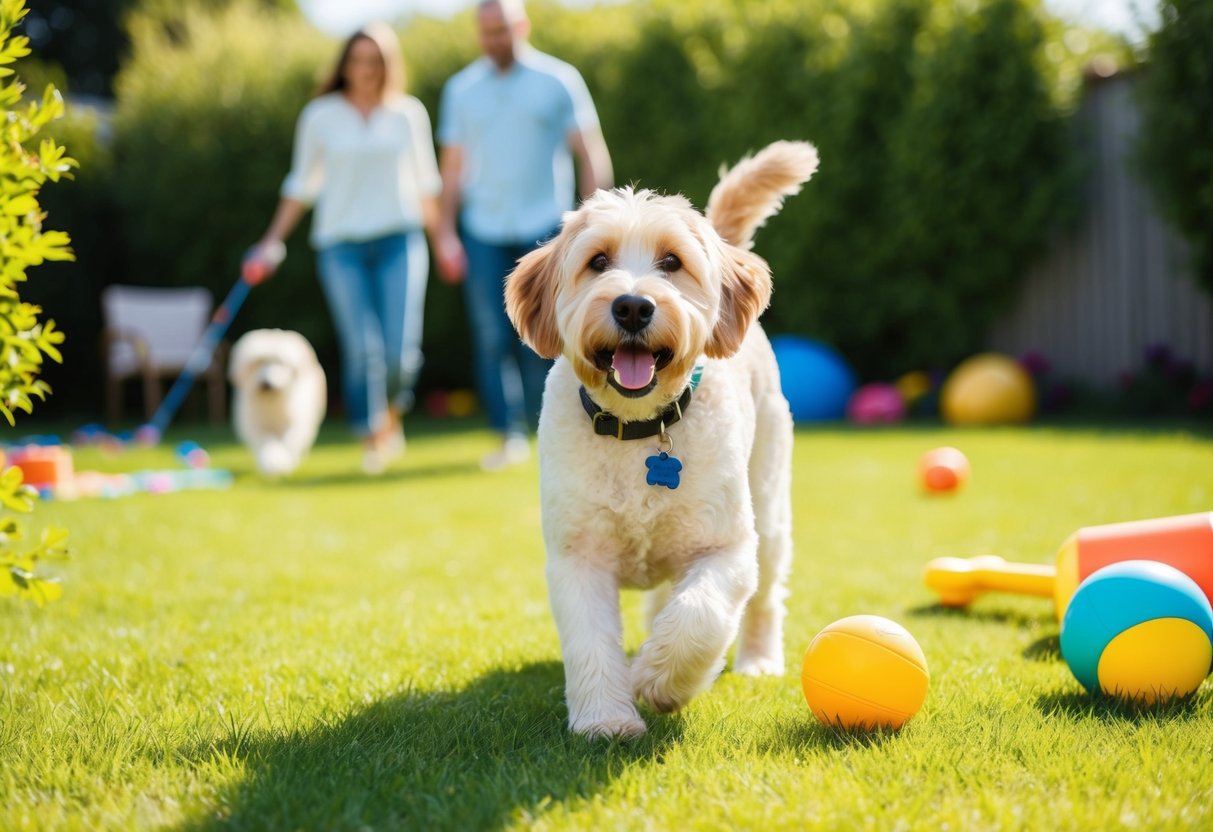
These lovable pups are known for their friendly disposition and energetic nature. With proper care, including a balanced diet, regular exercise, and veterinary check-ups, you can help ensure your Boxerdoodle enjoys a long, healthy life.
Understanding their lifespan can also help you plan for future milestones, from training to adventures. You’ll want to create many happy memories together during their time with you.
Understanding the Boxerdoodle

The Boxerdoodle is a delightful hybrid breed that combines the friendly Boxer and the intelligent Poodle. These dogs are known for their playful nature and energetic spirit, making them great companions for various families and lifestyles.
Breed Origins: Boxer and Poodle
The Boxerdoodle is a mix of the Boxer and Poodle breeds. Boxers are known for their loyalty and playful demeanor. They often enjoy being around people and other pets.
Poodles come in various sizes, including standard, miniature, and toy. They are recognized for their intelligence and ease of training. By combining these two breeds, you get a dog that is energetic, affectionate, and eager to please.
This mix results in a dog that often has a charming personality, inheriting the best traits from both parent breeds. Each Boxerdoodle can vary, depending on whether they take after the Boxer or Poodle.
Physical Characteristics and Boxerdoodle Size
Boxerdoodles can come in several sizes, reflecting their Poodle parent’s different sizes. You might find a mini Boxerdoodle (10-15 inches tall and 12-30 pounds) or a standard Boxerdoodle (20-25 inches tall and 50-70 pounds).
Their coats can vary as well, sometimes being wavy or curly, which helps with shedding. You may find them in various colors, such as brindle, fawn, or black.
Due to this mix, they usually have a sturdy build, enjoying an athletic look. Regardless of size, Boxerdoodles are known for being friendly and approachable.
Behavior and Temperament
Boxerdoodles are typically known for their playful, affectionate, and intelligent nature. Their temperament can make them excellent family pets and loyal companions.
These dogs love to engage in play and can be quite energetic. Daily exercise is essential to keeping them happy and healthy. You’ll find that they enjoy activities like fetch, walks, or agility training.
They also tend to be very social and friendly towards people and other dogs. With proper training and socialization, a Boxerdoodle can grow up to be a well-rounded and loving pet. Their variety of traits makes them wonderful additions to your family.
Boxerdoodle Care and Living Conditions
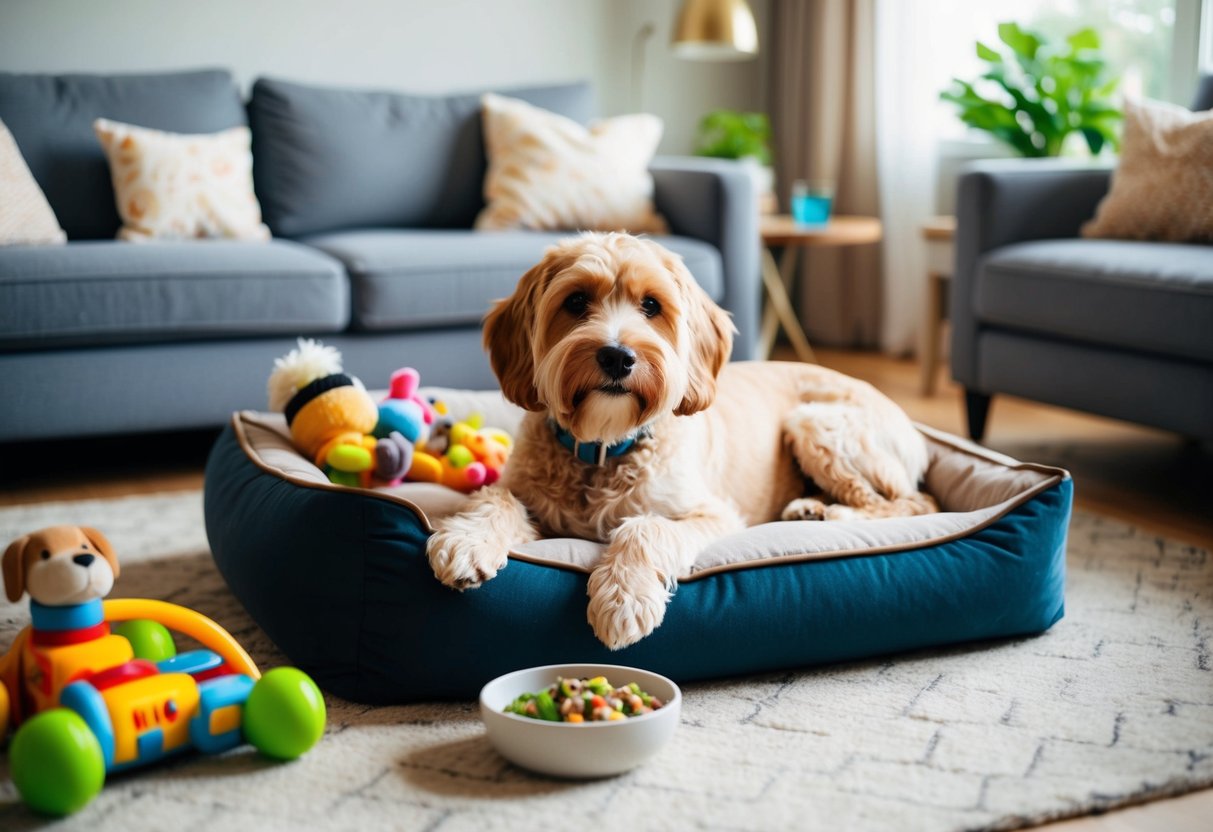
Caring for a Boxerdoodle involves understanding their unique needs in training, grooming, and exercise. This breed is known for its friendly personality and high energy levels, requiring attention in each of these areas.
Training and Socialization
Boxerdoodles are usually easy to train due to their intelligence and eagerness to please. Start training early, using positive reinforcement techniques like treats and praise. Consistency is key; short daily sessions work best.
Socialization is equally important. Expose your Boxerdoodle to various people, environments, and experiences from a young age. This helps them develop good behavior and reduces anxiety. Consider enrolling in a puppy kindergarten class or group training sessions to meet other dogs and people.
Grooming Needs and Coat Types
Boxerdoodles can have a variety of coat types, from curly and hypoallergenic to wavy or straight. Regular grooming is essential to keep their coats healthy and looking good. Depending on the coat type, you may need to brush them a few times a week.
Bathing should be done as needed, but too frequent washing can strip the coat of natural oils. If you have a curly or wavy coat, a professional groomer might be helpful to maintain their look. Pay attention to their ears, nails, and teeth as well; regular grooming is a part of maintaining good health.
Activity Level and Exercise Requirements
These dogs are quite energetic and thrive on regular exercise. They need at least 30 to 60 minutes of physical activity each day. This can include walks, playtime in the yard, or engaging in dog sports like agility training.
Boxerdoodles enjoy mental stimulation as well. Incorporate games that challenge them, such as fetching or puzzle toys. Keeping your dog active will help prevent boredom and ensure they remain happy and healthy.
Health and Lifespan of Boxerdoodles

Taking care of your Boxerdoodle’s health is key to ensuring they have a long, happy life. Understanding common health concerns and the importance of regular vet visits can help you give your furry friend the best care.
Common Health Concerns
Boxerdoodles can face various health issues, much like their parent breeds, the Boxer and Poodle. One notable concern is hip dysplasia, a condition affecting the hip joint, leading to pain and mobility issues. Progressive retinal atrophy is another risk, causing vision loss over time.
You should also be aware of von Willebrand’s disease, which affects blood clotting. Regular check-ups can help catch these issues early. Thanks to hybrid vigor, Boxerdoodles may have fewer genetic problems than purebreds. Nonetheless, staying informed about potential health risks is crucial for your pup’s well-being.
Maximizing Health with Regular Vet Check-Ups
Scheduling regular vet check-ups is essential for maintaining your Boxerdoodle’s health and extending their lifespan. Routine visits allow for early detection of health issues, making treatment easier and more effective. Your vet can guide you on vaccinations, nutrition, and exercise specific to your dog.
Make sure your pup receives a balanced diet and enough exercise, at least 60 minutes daily. This promotes not only physical health but also mental well-being. Keeping an eye on your Boxerdoodle’s weight can prevent obesity, a common issue that shortens lifespan. Ultimately, proactive healthcare and regular vet visits can significantly improve your dog’s quality of life.
Adopting a Boxerdoodle

Bringing a Boxerdoodle into your home is an exciting journey. You will want to know what to expect when you first bring one home and how to find a reputable source for your new puppy. This will help ensure a happy and healthy companion for years to come.
What to Expect When Bringing Home Boxerdoodle Puppies
When you first welcome a Boxerdoodle puppy into your home, expect a mix of energy and curiosity. These puppies are playful and love to explore their surroundings. Make sure to puppy-proof your home by removing any hazardous items and securing loose wires.
You should set up a comfortable space for your new pet, including a cozy bed, food and water bowls, and some toys. It’s important to establish a routine early, which includes regular feeding times, potty breaks, and playtime.
Socialization is key for growing Boxerdoodles. Introduce them to various people and environments. This helps them develop confidence and a friendly demeanor. Remember, patience is essential as they learn commands and adapt to their new home.
Finding Reputable Breeders and Adoption Options
When adopting a healthy Boxerdoodle, finding a reputable breeder is crucial. Look for breeders who follow ethical practices and prioritize the health of their dogs. Visit potential breeders in person to see their facilities and meet the puppies’ parents.
Ask about health clearances and any potential genetic issues in the breed. Good breeders will be transparent about their breeding practices. They should provide information on the puppies’ health history and socialization.
Consider adoption as an option, too. Rescue organizations may have Boxerdoodle mixes looking for loving homes. Adoption fees are generally lower than buying from breeders, and you can help give a dog a second chance. Always prioritize ethical practices, whether adopting or buying, to assure your new puppy’s well-being.


