
Have you ever wondered how your dog sees the world? Color perception in dogs is quite different from ours. Dogs perceive the color red as a shade of brown or gray, making it the hardest color for them to see. This can explain why some toys, particularly those in the red spectrum, might be less appealing or harder for them to find.
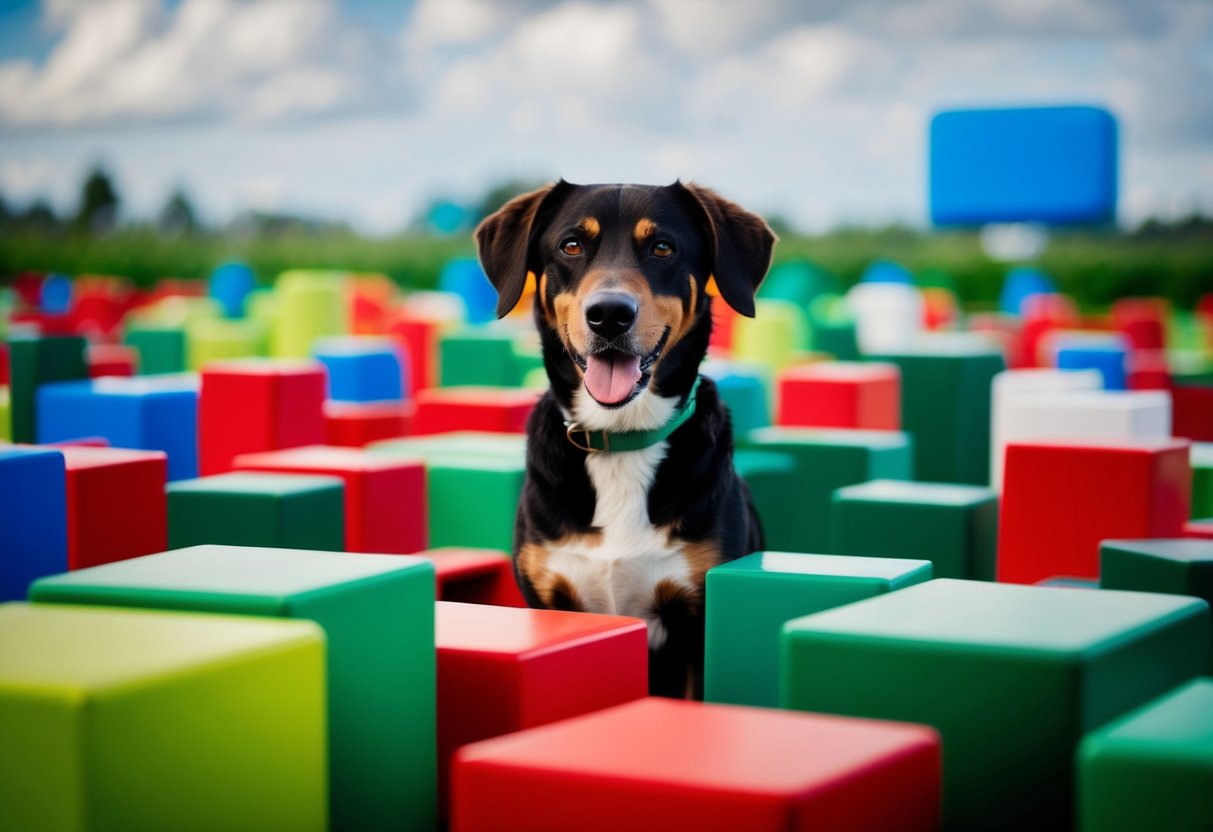
Dogs primarily see the colors blue and yellow much better. Their unique vision means they experience a limited color range compared to humans. By understanding what colors your furry friend struggles with, you can choose toys and objects that are easier for them to see. This makes playtime even more enjoyable.
Join us as we explore other aspects of canine vision and learn how to improve your dog’s play experience by picking the best colors.
Understanding Dog Vision
Dogs have a unique way of seeing the world that is quite different from humans. Their vision is specially adapted to help them thrive in their environments, focusing on movement and contrast rather than a broad range of colors.
Eye Anatomy and Photoreceptors
The structure of a dog’s eye plays a key role in how they perceive the world. Dogs possess two main types of photoreceptors in their retinas: rod cells and cone cells.
Rod cells are responsible for vision in low light and are highly sensitive to motion. This is why dogs excel at seeing in dim settings.
Cone cells, on the other hand, are vital for color vision. However, dogs have far fewer cone cells than humans. This means they do not see the same vibrant colors you do. Instead, canines primarily see shades of blue and yellow while struggling with reds and greens. This has led to the idea that dogs are similar to color-blind humans, specifically those with red-green color blindness.
Dichromatic Vision in Dogs
Dogs are characterized by their dichromatic vision. This means they perceive the world mainly in two color ranges: blue and yellow.
While they cannot see the full spectrum of colors, they have a heightened sense of movement, allowing them to detect motion better than humans.
Dogs’ ability to spot subtle movements can be useful for hunting and playing. Though their color vision is limited, they rely on brightness and contrast much more than colors. This adaptation helps them navigate their surroundings effectively. Moreover, the presence of a structure called the tapetum lucidum enhances their night vision, allowing them to see well in low light conditions, making them excellent companions for evening walks.
Which Colors Can Dogs See?

Dogs have a unique way of seeing the world. Their color perception differs significantly from humans, allowing them to see certain hues more vividly while missing others entirely. Understanding these differences can help you choose toys or objects that your dog can enjoy.
The Blue and Yellow Spectrum
Dogs primarily perceive colors in the blue and yellow spectrum. They are not fully colorblind, but their vision resembles a type of colorblindness known as dichromatic vision. This means they can see blue, yellow, and some shades of gray.
For instance, blue toys tend to stand out well to dogs, making playtime more enjoyable. Yellow hues are also fairly vibrant, allowing dogs to identify these colors easily. However, colors like red and orange may appear more like brownish or dark yellow to them, which can make these colors less exciting.
Comparing Canine and Human Vision
Human vision involves trichromatic vision, allowing us to see a wide range of colors, thanks to three types of color receptors in our eyes. In contrast, dogs have two types of receptors that limit their color range.
This difference means they miss out on many colors that we find vivid. For example, while you might see a vibrant green field, a dog may see it in shades of gray or yellow.
You can help your dog enjoy their world by choosing toys in colors they see well, like blue and yellow. This can enhance their play experience and make activities more engaging for them.
Understanding how your dog sees color can also improve your training methods, allowing you to use colors that attract their attention effectively.
Practical Applications for Dog Owners
Understanding how dogs perceive colors can help you make better choices for your pet’s toys and training. By considering their vision, you can create a more engaging environment suited to their unique needs.
Choosing the Right Dog Toys
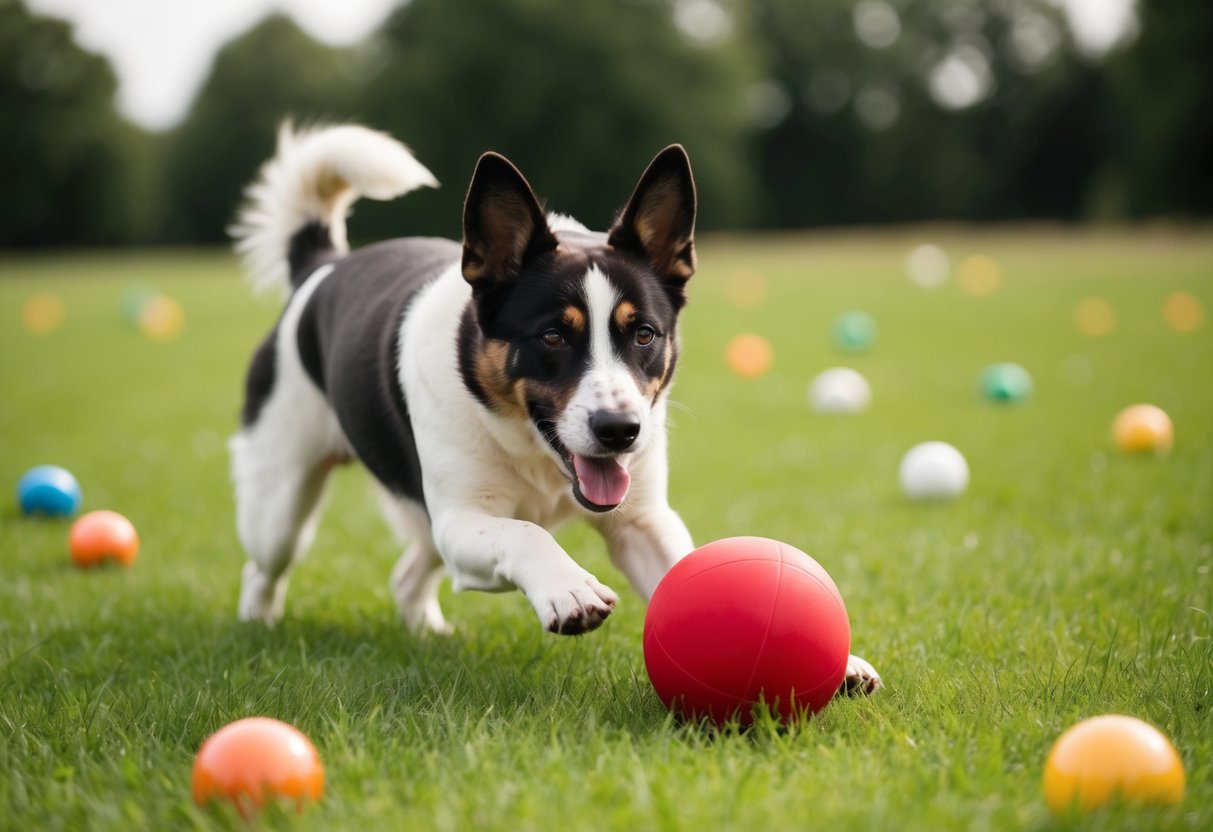
When picking out dog toys, try to choose colors that your dog can see well. Dogs primarily see shades of blue and yellow. This means that toys in these colors, like a bright blue ball or a yellow frisbee, will be easier for your dog to spot.
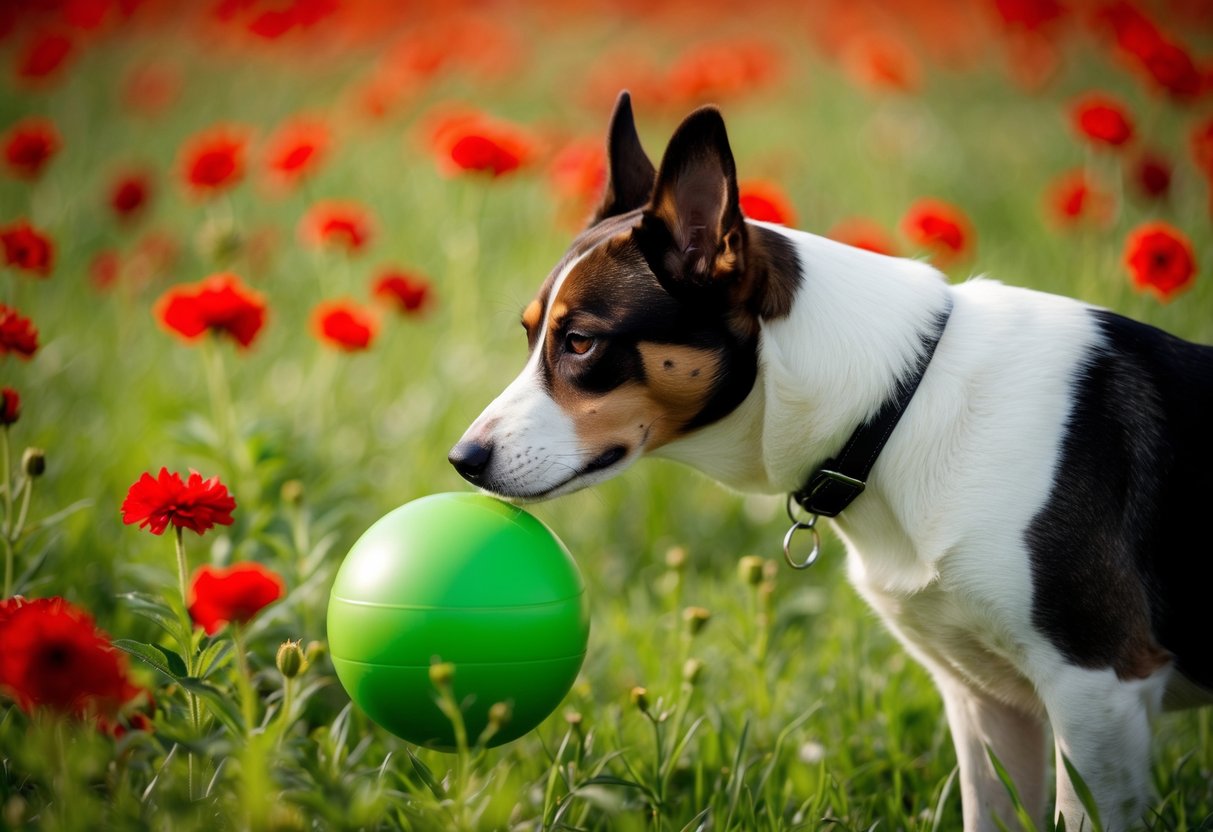
Avoid red and green items, as these colors can blend into the background for your dog, making them hard to see. Toys with patterns or textures can also help dogs that rely on touch and movement. Remember, your dog’s playtime is important for their physical and mental health.
Training and Color Perception
Color perception can play a significant role in how you train your dog. Using bright toys during training exercises allows you to capture their attention better.
For example, a blue retrieval toy during fetch will be more effective than a red one.
Dogs also rely on other senses, like smell and hearing. Remember to incorporate various commands and rewards to enhance their learning.
Playing and training together can improve their depth perception and confidence, especially in different lighting conditions.
Engaging in regular practice helps reinforce their skills while building a stronger bond between you and your furry friend.


