
If you’re curious about British slang and want to know what Brits call dogs, there are some fun terms worth exploring. Commonly used words like “pooch” and “mutt” are popular across the UK, making it easy to fit in with locals when chatting about our furry friends. These terms can vary by region, so you’ll find unique names depending on where you are in Britain.
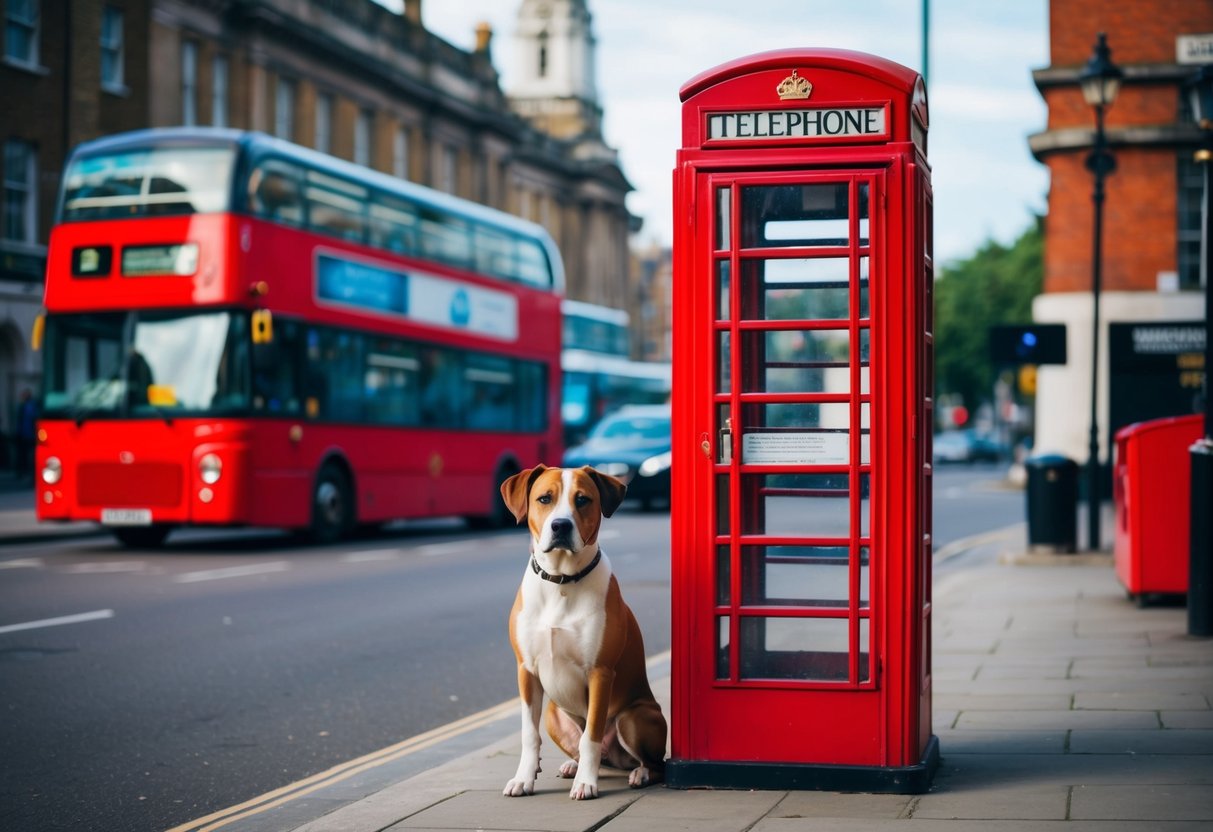
Understanding British slang can add an enjoyable twist to your conversations. It’s not just about the words; it’s also about connecting with the culture.
From the playful “dogs’ bollocks” to more everyday terms, there’s plenty for you to discover.
So, whether you’re planning a trip or just want to impress your British friends, knowing these dog-related slang terms can make your discussions lively and fun. You will not only sound more familiar but also show that you appreciate their language and culture.
The Basics of British Dog Terminology
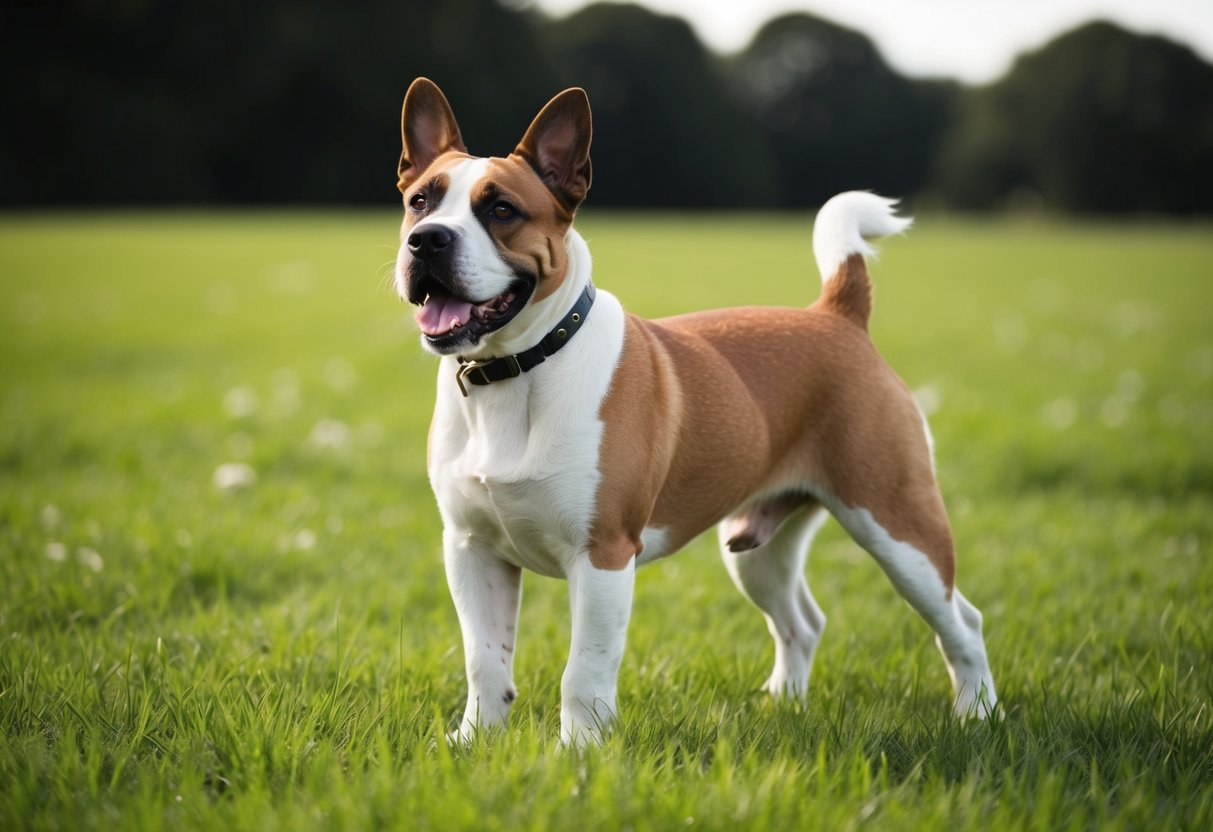
When it comes to how Brits refer to dogs, there are several common names and unique regional variations. Understanding these terms can help you get a feel for British culture and the affectionate way people speak about their pets.
Common Names for Dogs
In Britain, several terms are widely used to refer to dogs. Some of the most common names include:
- Pooch: A friendly, endearing term for any dog.
- Mutt: Often used to describe mixed-breed dogs, this word captures a sense of charm and uniqueness.
- Doggo: A contemporary and playful term that is gaining popularity, especially in social media.
These terms reflect a fondness and familiarity that many Brits have towards their canine companions. The vocabulary around dogs is casual and reflects a light-hearted attitude.
Regional Variations in Dog Names
British slang also includes regional names for dogs. Here are some interesting examples:
- Cherry Hogg: This is Cockney rhyming slang for dog.
- Many areas have their own terms, often influenced by local dialects.
Each region may have its own unique twist on traditional names. This variety adds richness to the English language and shows how local culture influences vocabulary. Understanding these variations can enhance your appreciation for British slang related to dogs.
British Slang and its Influence on Canine Nicknames
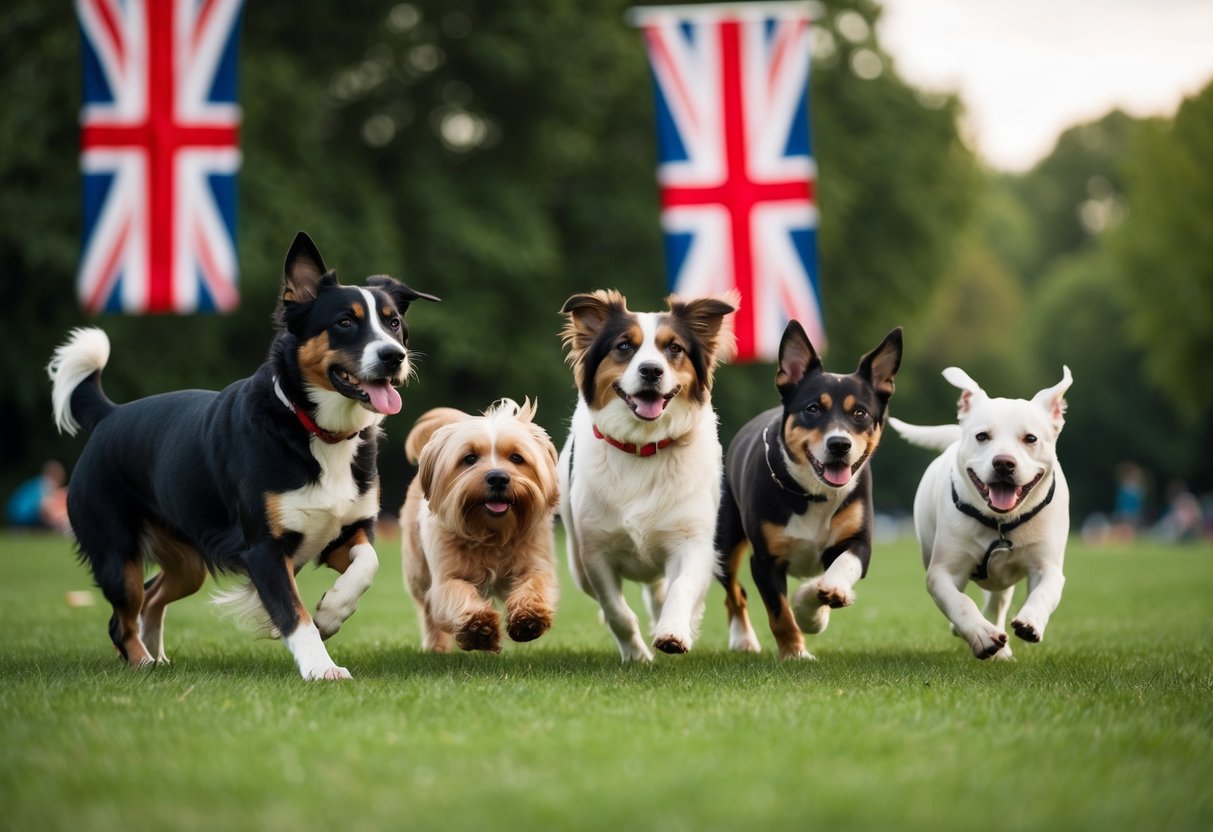
In Britain, slang plays a big role in how people refer to their pet dogs. You’ll find a mix of affectionate terms and playful names rooted in regional dialects. Let’s explore how these expressions shape how you might call your furry friend.
Pets and Endearment in Slang
When it comes to pets, Brits often use playful slang. Common terms include “pooch,” which conveys affection, and “mutt,” usually a friendly term for mixed-breed dogs.
You might also hear “mate” when talking about your dog. For example, saying, “That’s my mate,” adds a friendly tone. Similarly, calling your dog a “nut” can indicate quirky behavior.
These words reflect a bond between you and your dog, showcasing the warmth of British culture. Affectionate nicknames bring a sense of fun into the lives of pet owners. Among friends or family, using these terms can brighten the conversation about your beloved pet.
Dogs in Cockney Rhyming Slang
Cockney rhyming slang often adds a humorous twist to everyday language, including canine nicknames. One popular example is “dog’s bollocks,” meaning something exceptional or top-notch. Though it doesn’t literally refer to dogs, this phrase shows the playful nature of Cockney slang.
You might also hear “pork pies” referring to lies, but in this context, it highlights the playful wordplay found in traditional Cockney culture. Such expressions keep conversations lively and engaging.
Using this type of slang can make discussions about dogs more entertaining. It gives a glimpse into the rich tapestry of British culture and language. Embracing these phrases can enhance your connection with both your dog and your friends.
Everyday Dog-Related Expressions
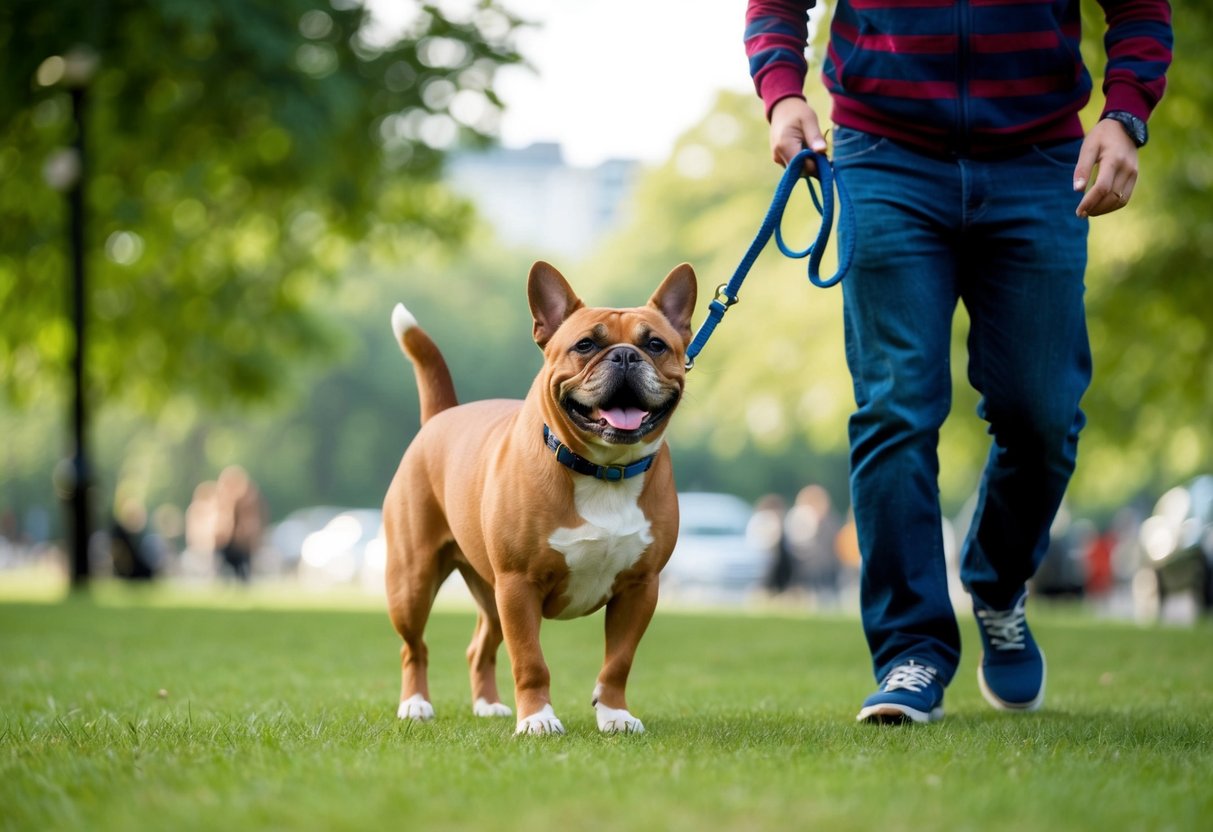
In British culture, dogs are often part of everyday language. You’ll find various phrases and vocabulary inspired by these beloved pets. Here’s a look at common expressions that involve dogs and their meanings.
Phrases Involving Dogs
Many phrases in British English include dogs, giving you insights into local humor and attitudes. For example, when someone says someone else is “barking mad,” they mean that person is acting crazy. It’s a light-hearted way to describe someone’s strange behavior.
Another common phrase is “taking the piss,” which means to mock or tease someone. While this doesn’t literally relate to dogs, it often comes up in casual conversations about everyday situations. You’ll also hear “call your dogs off,” suggesting you should tell friends or family to ease up on someone.
Dog-Inspired Vocabulary
The British have specific vocabulary related to dogs, often making conversations more colorful.
For instance, “tosh” refers to nonsense, much like how a dog might ignore commands.
Words like “pooch” and “mutt” are endearing terms for dogs that you may hear frequently. They show affection and familiarity.
When greeting someone with their dog, you might hear “What a lovely dog!” This simple interaction can brighten your day.
Using dog-related vocabulary brings warmth to conversations and can help you connect with others who share a love for dogs.


